

Best Beeswax Candles for Allergies and Asthma: What to Look For (and What to Skip)
Best Beeswax Candles for Allergies and Asthma: What to Look For (and What to Skip)
\n\nYou lit a candle. Twenty minutes later, your nose is running, your chest feels tight, and the cozy atmosphere you were going for has been completely derailed by a headache. If this sounds familiar, you are not imagining things and you are not being dramatic.
\n\nThe candle was probably the problem. Not candles as a category, but the specific wax, fragrance, and wick inside that particular candle. The good news is that the fix is straightforward once you know what to look for.
\n\nThis guide breaks down exactly what triggers allergic and asthmatic reactions in candles, how to read ingredient labels without a chemistry degree, and which pure beeswax candles are actually worth buying in 2025. By the end, you will know how to shop with confidence and never second guess a candle purchase again. If you want to start exploring now, our full collection of 100% beeswax candles is a solid place to begin.
\n\n\n\nFirst: Your Concern Is Completely Valid
\n\nLet us not skip past this. If scented candles have been making you feel worse, there is real science behind why.
\n\nA widely cited study from South Carolina State University found that paraffin candles release a range of volatile organic compounds (VOCs) including toluene and benzene when burned. Both are classified as known carcinogens by the Environmental Protection Agency. A separate analysis published in Environmental Science and Technology confirmed that paraffin combustion produces petro carbon soot particles comparable in composition to diesel exhaust.
\n\nThe Cleveland Clinic and the American Lung Association have both flagged indoor air quality as a serious concern for people with asthma, noting that fine particulate matter from candles can irritate the airways and trigger flare ups in sensitive individuals.
\n\nSo yes, if you have been blaming your candles for your symptoms, you are probably right. The question is not whether to burn candles at all. The question is which candles are worth burning.
\n\nWhy Beeswax Is Different: The Actual Science
\n\nBeeswax is not just a marketing buzzword. It behaves fundamentally differently from paraffin and soy at the chemical level, and those differences matter if you have allergies or asthma.
\n\nParaffin wax is a petroleum refining byproduct. It is what is left over after crude oil has been processed into gasoline, diesel, and other fuels. When you burn it, you are essentially burning a petrochemical. The VOCs it releases, including benzene, toluene, and formaldehyde, are well documented airway irritants.
\n\nSoy wax is a cleaner option than paraffin, but it comes with its own caveats. Most commercial soy wax is chemically processed from GMO soybeans using hexane, a neurotoxic solvent, as part of the extraction process. Many soy candles are also blended with paraffin to improve throw and texture, meaning the label says \"soy\" but the candle contains a meaningful percentage of petroleum wax. There is no regulatory minimum in the United States requiring a candle to contain a specific percentage of soy to carry a \"soy candle\" label.
\n\nThe same labeling loophole applies to beeswax. A candle can legally be called a \"beeswax blend\" while containing as little as 5% actual beeswax mixed with 95% paraffin. This is why the words \"100% beeswax\" matter enormously, and why you should ask for clarification if a brand is not explicit about it.
\n\nTrue 100% beeswax has the highest melting point of any candle wax, around 149 degrees Fahrenheit compared to roughly 120 degrees for both paraffin and soy. That higher melting point means a slower, cooler, more complete combustion. Less unburned material means less soot. Less soot means less particulate matter in your air.
\n\nThere is also the question of negative ion emission. Some studies suggest that burning beeswax releases negative ions, which bind to positively charged airborne particles like dust, pollen, mold spores, and pet dander, causing them to drop out of suspension and settle to the floor rather than stay airborne. Many users with allergies report meaningful improvements in air quality when switching to pure beeswax. The research is still developing, but the anecdotal evidence is consistent enough to take seriously.
\n\nOur Sunday Reset beeswax candle is a go to for people who want that clean, clarifying burn. The peppermint and eucalyptus scent profile is built for exactly this kind of reset moment.
\n\n\n\nThe Real Culprits: What Actually Triggers Reactions
\n\nHere is where most candle buying guides get it wrong. They frame the issue as \"candles bad, no candles good.\" That is too blunt to be useful.
\n\nThe real triggers are specific ingredients. Once you know what they are, you can avoid them without giving up candles entirely.
\n\nToxic Fragrance (Phthalates and VOCs)
\n\nThis is the biggest offender in most scented candles. Fragrance blends that contain phthalates are endocrine disruptors and among the most common asthma triggers found in personal care and home fragrance products. The word \"fragrance\" or \"parfum\" on a label can legally conceal dozens of individual chemicals, none of which have to be disclosed individually.
\n\nThe fix is phthalate free fragrance. Look for brands that explicitly state their fragrance oils are phthalate free, not just \"natural\" or \"clean\" (both of which are unregulated marketing terms with no legal definition).
\n\nParaffin Wax
\n\nCovered above, but worth restating: paraffin is petroleum waste, full stop. It releases benzene and toluene during combustion, both of which are known respiratory irritants and carcinogens. If your candle does not explicitly state it is paraffin free, assume it contains paraffin.
\n\nMetal Core Wicks
\n\nSome wicks use a metal wire core, often zinc or tin, to keep the wick upright during burning. These can release trace heavy metals into the air during combustion. Cotton wicks and wooden wicks are both safe alternatives. Lead core wicks were banned in the U.S. in 2003, but zinc and tin core wicks are still legal and still used in budget candles.
\n\nChemical Dyes
\n\nThose bright jewel toned candles look great on a shelf. The synthetic dyes that create those colors, however, can release additional chemical compounds when burned. People with chemical sensitivities are often more reactive to dyed candles than undyed ones.
\n\nThe \"Beeswax Blend\" Trap
\n\nAs mentioned above, a \"beeswax blend\" label is essentially meaningless from a safety standpoint. If the blend contains a majority of paraffin, you are still getting petrochemical combustion. Always look for candles that state \"100% beeswax\" with no qualifiers.
\n\n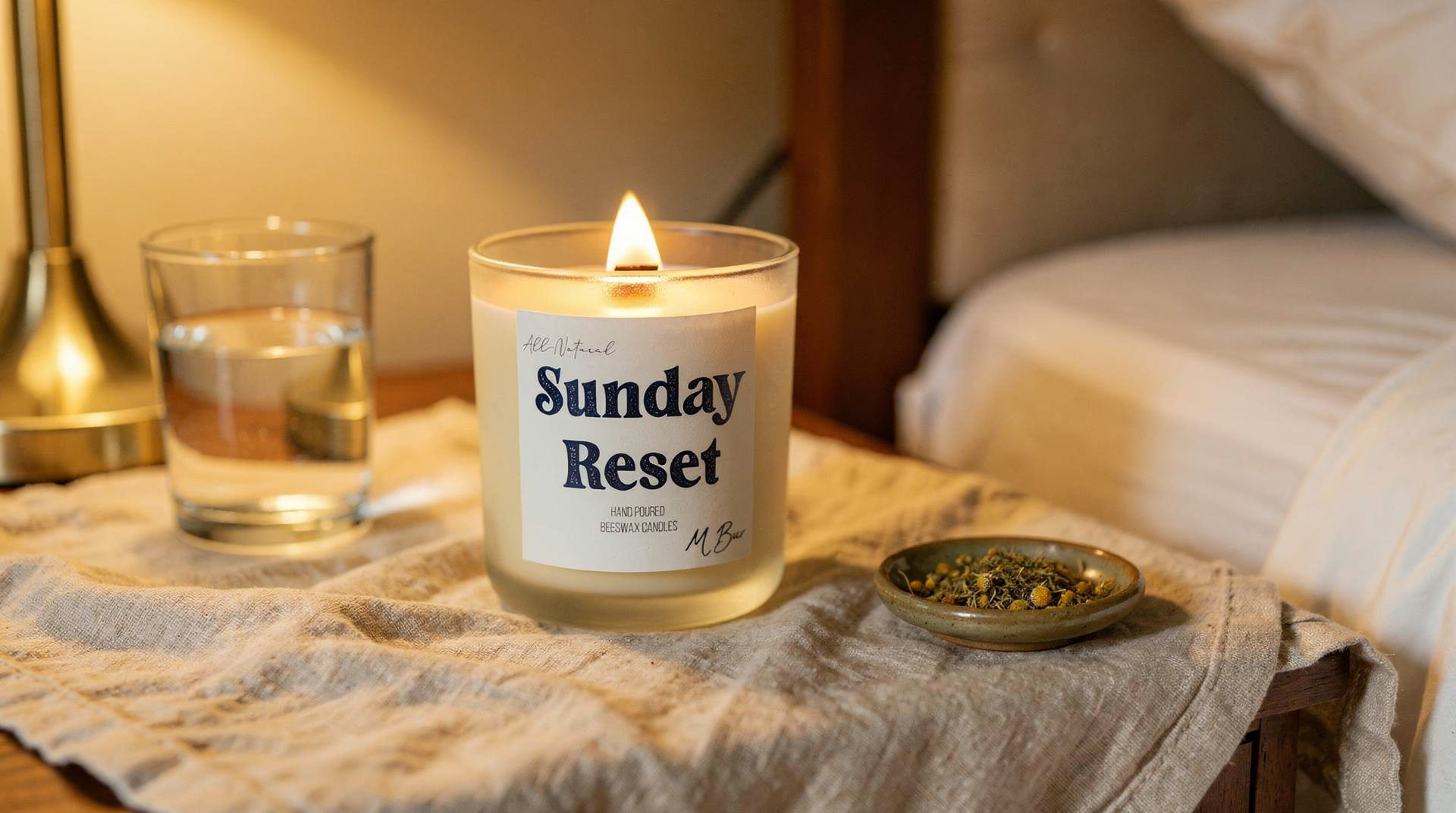
Your Clean Candle Checklist
\n\nBefore you buy any candle, run through this list. If a candle cannot check every box, keep looking.
\n\n- \n
- 100% beeswax stated explicitly, not \"beeswax blend\" or \"made with beeswax\" \n
- Phthalate free fragrance or fragrance free entirely \n
- Cotton or wooden wick with no metal core \n
- No chemical dyes added to the wax \n
- No paraffin in any part of the formulation \n
- Transparent ingredient disclosure from the brand \n
Every MBur candle checks all six boxes. Single ingredient wax, phthalate free fragrance, wooden wicks, no dyes, no paraffin, made by hand in Queens, NY. If you want to see the full lineup, browse our complete beeswax candle collection.
\n\n\n\n\n\"I absolutely love these candles! I instantly notice the difference in the air quality, in comparison to the Bath and Body scented candles. I love Bath and Body's candles but I acknowledge that it caused a slight headache and other minor respiratory discomfort. Awesome products. Totally addicted.\"
\nJason H., verified buyer (5 stars)
\n
Best Beeswax Candles for Allergies and Asthma in 2025
\n\nBelow is an honest roundup of the best options currently available. We have included competitors because the goal here is to help you make the right decision, not just sell you our candles. That said, we think the comparison speaks for itself.
\n\n1. MBur Candle Co. (Queens, NY)
\n\nBest for: People who want a clean burn and actually enjoy scented candles without the consequences.
\n\nMBur uses 100% pure beeswax with no blending, no paraffin, no chemical dyes, and phthalate free fragrance oils across every scent. The wooden wicks crackle quietly as they burn and produce an even melt pool with virtually no soot. Burn times run from 20 hours (2.5oz, $20) up to 80 hours (12oz, $60), and the 80 hour burn time is achievable because beeswax has the highest melting point of any candle wax, meaning it simply burns longer per ounce than paraffin or soy alternatives.
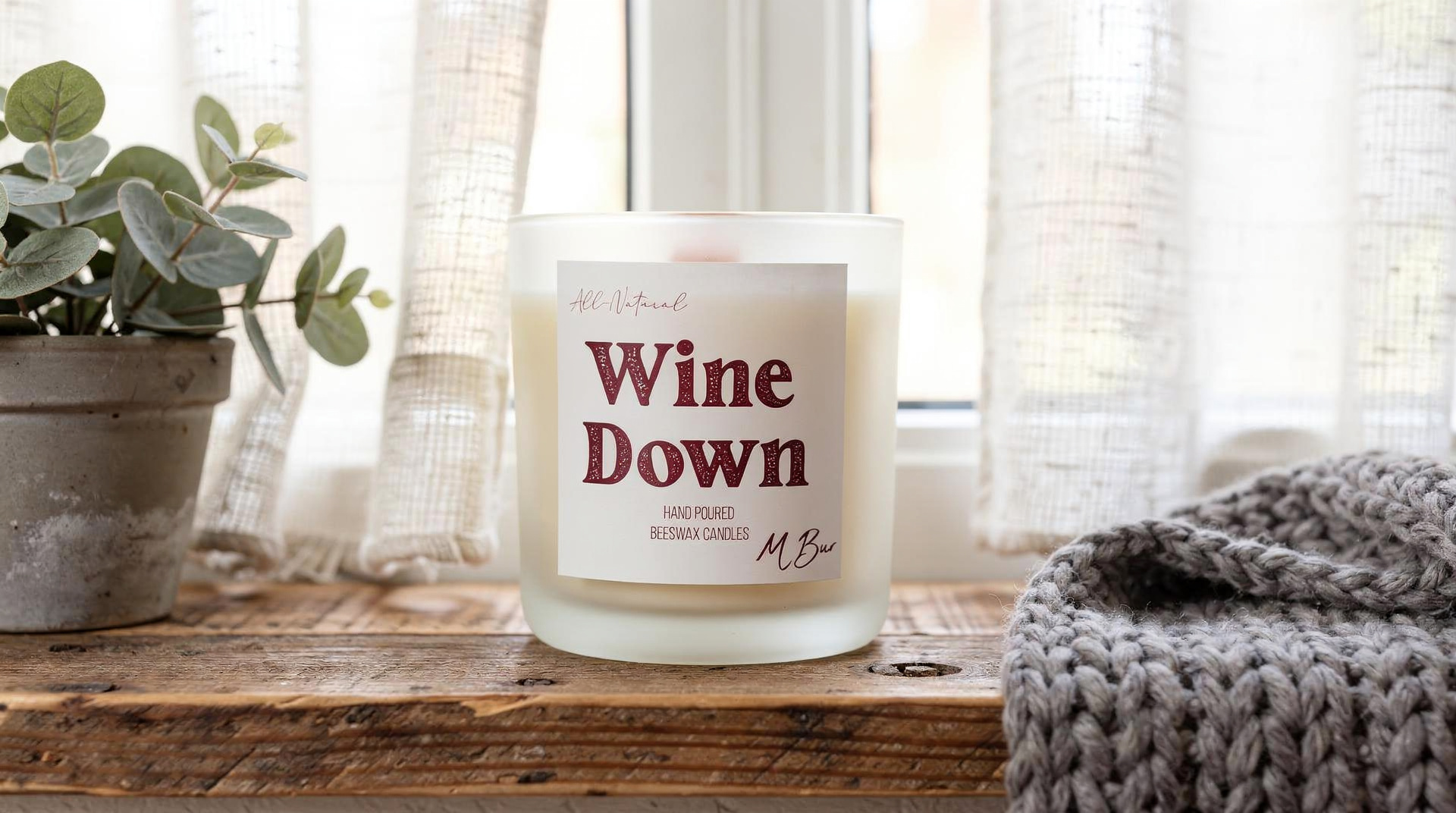
\n\nFor allergy and asthma sufferers specifically, the Wine Down beeswax candle (lavender, chamomile, sage, rosemary) is a standout. Light, clean, and soothing without ever tipping into overpowering territory.
\n\n\n\n\n\"A lot of other candles tend to give me headaches, but this one was a total game changer. I was able to enjoy the calming aroma without any discomfort.\"
\nNicole D., verified buyer (5 stars) on Wine Down
\n
Price: $20 (20 hours / 2.5oz) to $60 (80 hours / 12oz)
\nWax: 100% beeswax
\nWick: Wooden, no metal core
\nFragrance: Phthalate free
\nDyes: None
\nMade in: Queens, NY
2. Bluecorn Beeswax (Ridgway, CO)
\n\nBest for: People who want an unscented pillar candle for meditation or a fragrance free environment.
\n\nBluecorn is one of the most respected names in pure beeswax candles and for good reason. Their pillars use 100% beeswax with no fillers and cotton wicks with no metal core. The Raw variety has the natural honey scent of pure beeswax, while the Ivory option is filtered to a milder, almost neutral scent. No added fragrance at all, which makes it an excellent choice for people who react to any scent compound, synthetic or otherwise.
\n\nPrice: Approximately $32 to $35 for a 3" x 6" pillar (around 90 hour burn time)
\nWax: 100% beeswax
\nWick: Cotton, no metal core
\nFragrance: None (natural honey scent only)
\nDyes: None
3. Big Dipper Wax Works (Seattle, WA)
\n\nBest for: Essential oil enthusiasts who want fragrance without any risk from toxic fragrance compounds.
\n\nBig Dipper uses 100% beeswax across their line and their cotton wicks are primed with vegetable wax rather than paraffin, which is a detail that most brands skip over. Their aromatherapy line uses only pure essential oils rather than synthetic fragrance blends, which makes them a strong option for anyone who wants scent but cannot tolerate fragrance oil ingredients. Burn time is approximately 90 hours for their 3" x 6" pillar at around $35.
\n\nPrice: Approximately $35 for a 3" x 6" pillar
\nWax: 100% beeswax
\nWick: Cotton primed with vegetable wax
\nFragrance: Essential oils only, or unscented
\nDyes: None
4. The Beeswax Candle Co. (Lynchburg, VA)
\n\nBest for: Buyers who want double filtered wax for the cleanest possible burn and minimal soot output.
\n\nThe Beeswax Candle Co. double filters their wax to remove all particulate matter before pouring, which reduces the potential for any clogging or soot during the burn. Their ivory wax is processed using a natural clay filtration method rather than chemical bleaching, keeping the formula free from chemical processing. Pricing runs approximately $24 to $28 for a 3" x 4" pillar.
\n\nPrice: Approximately $24 to $28 for a 3" x 4" pillar
\nWax: 100% beeswax, double filtered
\nWick: Cotton
\nFragrance: None (natural beeswax scent)
\nDyes: None
Side by Side Comparison
\n\n| Brand | \nWax | \nWick | \nFragrance Type | \nDyes | \nScented Options | \nPrice Range | \nBurn Time | \n
|---|---|---|---|---|---|---|---|
| MBur Candle Co. | \n100% beeswax | \nWooden | \nPhthalate free fragrance oils | \nNone | \nYes (12 scents) | \n$20 to $60 | \n20 to 80 hours | \n
| Bluecorn Beeswax | \n100% beeswax | \nCotton | \nNone (natural honey) | \nNone | \nNo | \n$32 to $35 | \n~90 hours | \n
| Big Dipper Wax Works | \n100% beeswax | \nCotton (veg primed) | \nEssential oils only | \nNone | \nLimited | \n~$35 | \n~90 hours | \n
| The Beeswax Candle Co. | \n100% beeswax, double filtered | \nCotton | \nNone | \nNone | \nNo | \n$24 to $28 | \nNot specified | \n
What to Know About Price vs. Value
\n\nThe sticker price on a beeswax candle is almost always higher than a comparable paraffin candle. Here is why that comparison is misleading.
\n\nA standard paraffin pillar candle in the 3" x 6" size runs roughly $10 to $15 and burns for about 40 to 50 hours. A comparable 100% beeswax pillar runs $32 to $35 and burns for approximately 90 hours. The beeswax candle costs about 3x more upfront but delivers roughly 2x the burn time per dollar, with no toxic output in the process.
\n\nWhen you factor in the cost of the respiratory symptoms, the ruined evenings, and the candles you stopped burning halfway through because they were giving you a headache, the math changes even further in beeswax's favor.
\n\nThe MBur 80 hour candle at $60 breaks down to about 75 cents per hour of burn time. A paraffin candle at $15 for 45 hours is about 33 cents per hour but delivers a very different air quality experience in that time.
\n\nFrequently Asked Questions
\n\nHow do I know if a candle is actually 100% beeswax and not a blend?
\n\nLook for explicit language on the label or product page. The phrase \"100% beeswax\" must be stated directly. Words like \"beeswax blend,\" \"made with beeswax,\" or \"natural wax\" are red flags. In the U.S., there is no legal minimum percentage requirement for a candle to be labeled a beeswax blend, which means those labels are essentially unregulated. When in doubt, contact the brand and ask for their wax certification. A transparent company will answer immediately. Our entire candle collection uses single ingredient 100% beeswax with no blending.
\n\nAre beeswax candles safe for people with severe asthma?
\n\nFor most people with asthma, 100% pure beeswax candles with phthalate free fragrance are a significantly safer option than paraffin candles. The absence of VOCs, petrochemical soot, and toxic fragrance compounds removes the most common respiratory triggers. That said, if your asthma is severe or exercise induced, it is worth starting with a small size, like our individual candle samples at $5 each, to test your personal reaction before committing to a larger candle. And always burn with ventilation, even with the cleanest candles available.
\n\nCan beeswax candles actually help with allergies, or is that just marketing?
\n\nThe claim that beeswax candles purify air through negative ion emission has scientific basis, though the research is still developing. Some studies suggest that burning beeswax releases negative ions that bind to airborne allergens like dust, pollen, and mold spores, causing them to settle rather than remain airborne. Many allergy sufferers report measurable improvements after switching. We present this as a well supported but still emerging area of research, and many users report real benefits. The more clear cut benefit is what beeswax candles do not release: the VOCs, soot particles, and toxic fragrance compounds that are known allergen and asthma triggers in conventional candles.
\n\nWhat is the best MBur candle for someone with fragrance sensitivity?
\n\nIf you have fragrance sensitivity, the Do Not Disturb candle is worth trying first. Multiple reviewers specifically describe it as \"not overpowering\" and \"soothing\" rather than sharp or chemical feeling. One customer said it \"is lovely not overpowering... it's aromatherapy at its best.\" The lighter, floral scent profile tends to be better tolerated by sensitive noses than heavier gourmand or woody fragrances.
\n\nHow long do beeswax candles actually burn compared to other waxes?
\n\nBeeswax burns 2 to 3 times longer per ounce than paraffin or soy because of its significantly higher melting point (around 149 degrees Fahrenheit versus roughly 120 degrees for both paraffin and soy). MBur's 12oz candle delivers 80 hours of burn time, which is the upper end of what any candle format can deliver. For a full breakdown, see our guide on how long beeswax candles actually last.
\n\nPractical Tips for Allergy and Asthma Sufferers Who Burn Candles
\n\nEven the cleanest candle benefits from smart burning habits. Here are a few things that make a real difference.
\n\nTrim the wick before every burn. For wooden wicks, break off any charred tip before relighting. For cotton wicks, trim to about a quarter inch. A properly trimmed wick produces a smaller, cleaner flame with less soot and less fragrance throw, which matters for sensitive airways.
\n\nVentilate, even with clean candles. A cracked window or a room with some airflow lets combustion byproducts, even the minimal ones from beeswax, dissipate rather than accumulate. This is especially important in small rooms.
\n\nLimit sessions to 2 to 4 hours. Even the cleanest candle benefits from regular burn limits. After about four hours, wax pools deepen, wick mushrooming can occur, and fragrance concentration in a closed room increases. Snuff the candle, let it cool fully, and relight fresh.
\n\nKeep the candle away from air vents and fans. Airflow over an open flame creates an uneven burn, more flickering, and more particulate release. A still burn is a clean burn.
\n\nStart with a sample before committing to a full size. Scent sensitivity is personal. What works beautifully for one person can still trigger a reaction in another, even with the cleanest ingredients. Our $5 candle samples exist exactly for this reason. Try before you go all in on the 80 hour version.
\n\n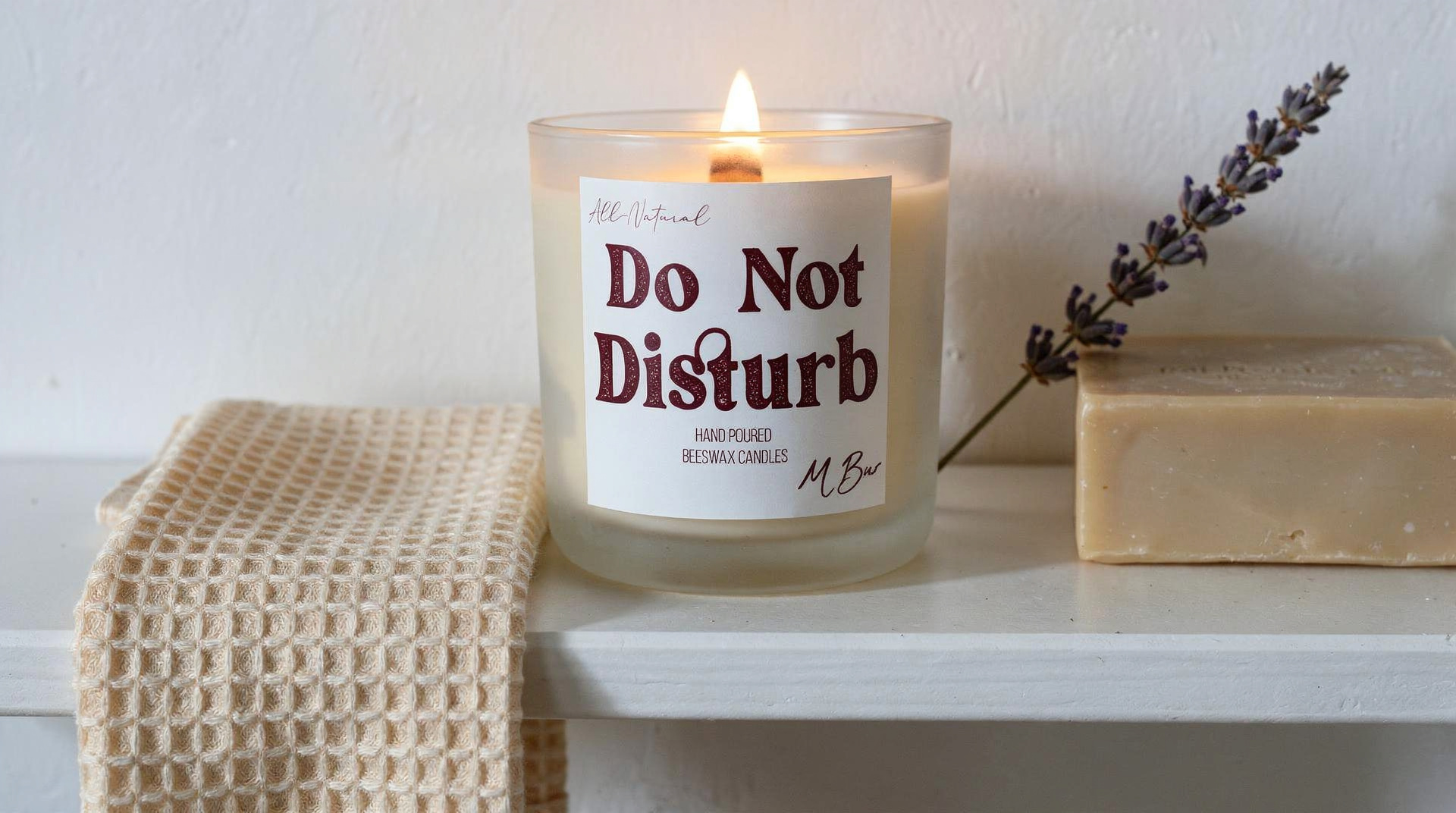
The Bottom Line
\n\nIf candles have been making you feel worse, the answer is not to stop burning candles. The answer is to stop burning candles made from petroleum, packed with toxic fragrance, and threaded with metal core wicks. Those things have no business being in your home, allergy or not.
\n\nPure 100% beeswax, phthalate free fragrance, wooden or cotton wicks, no dyes, and real transparency from the brand. That is the checklist. Every candle on this list meets it. MBur meets it with the added benefit of an 80 hour burn time, 12 scents that are genuinely worth caring about, and the crackling wooden wick sound that, honestly, is just better.
\n\nIf you are ready to make the switch, start with our Wine Down beeswax candle. It is the one our scent sensitive customers return to again and again. Rated 5 stars by dozens of reviewers including Nicole D., who wrote: \"A lot of other candles tend to give me headaches, but this one was a total game changer.\"
\n\nShop Wine Down and breathe easier.
\n\n\n\n
Related Reading:
\n- \n
- Paraffin vs. Beeswax vs. Soy: Which Candle Wax Is Safest for Indoor Air Quality? \n
- Candles That Won't Give You a Headache: 7 Clean Burning Picks for Scent Sensitive People \n
- Best Candles for Allergy Sufferers in 2025: 6 Picks That Won't Make You Sneeze \n
- Candle Soot and Your Health: What It Is, Why It Happens, and How to Avoid It \n