
Beeswax vs Soy Candles: Which Burns Cleaner?
If you're trying to avoid the toxins in cheap paraffin candles, you've probably narrowed your options to beeswax or soy. Both are marketed as natural, clean-burning alternatives. But they're not the same.
What customers say on Google
View on Google
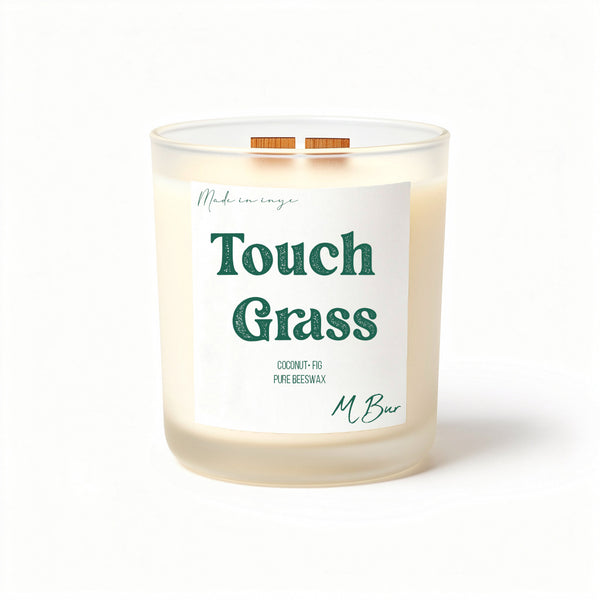
Here's an honest comparison of beeswax and soy candles to help you decide which one is actually better for your home.
The Basics
What Is Beeswax?
Beeswax is produced by honeybees to build their honeycomb. It's harvested as a byproduct of honey production and requires minimal processing. Beeswax has been used for candles for thousands of years, long before petroleum-based alternatives existed.
What Is Soy Wax?
Soy wax is made from soybean oil. The oil is extracted from soybeans, then hydrogenated to turn it from liquid to solid. Soy candles became popular in the 1990s as an alternative to paraffin.
Clean Burning: Beeswax Wins
Both beeswax and soy burn cleaner than paraffin, but beeswax has the edge.
Beeswax is the only candle wax that actually purifies air as it burns. It releases negative ions that attach to positively charged particles like dust, pollen, and pollutants, causing them to fall out of the air. This is why beeswax candles are often recommended for people with allergies or asthma.
Soy burns clean in the sense that it doesn't release the petroleum-based toxins that paraffin does. But it doesn't actively purify the air. It's neutral rather than beneficial.
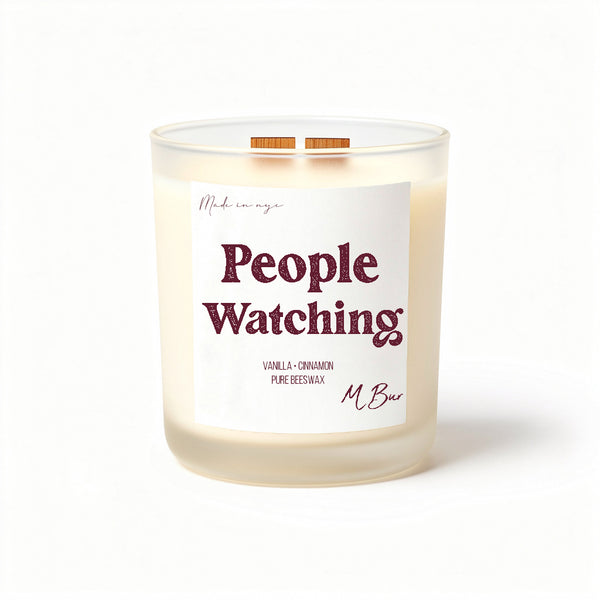
Beeswax also produces virtually no soot when burned properly. Soy can produce some soot, especially if the wick isn't trimmed or the candle is in a draft.
Burn Time: Beeswax Wins
Beeswax has a higher melting point than soy, which means it burns slower. A beeswax candle will typically last 2-3 times longer than a soy candle of the same size.
This matters for value. Beeswax candles cost more upfront, but the longer burn time often makes them more economical over time.
Scent Throw: Depends
Soy wax holds fragrance oil well and releases it steadily when burned. This makes soy a popular choice for heavily scented candles.
Beeswax has a natural honey scent that some people love and others find limiting. It can hold added fragrance, but the natural beeswax aroma will always be part of the experience. For people who want pure, strong fragrance throw, soy might have an advantage. For people who appreciate subtle, natural scent, beeswax is ideal.
Sustainability: It's Complicated
Both are marketed as eco-friendly, but the reality is nuanced.
Beeswax
Beeswax is a renewable byproduct of beekeeping. Buying beeswax supports beekeepers and, by extension, bee populations that are critical for pollination. However, beeswax production is limited by bee populations, which makes it more scarce and expensive.
Soy Wax
Soybeans are a renewable crop, but large-scale soy farming has environmental concerns. Much of the world's soy production involves deforestation, pesticide use, and monocropping. Unless your soy candle specifies non-GMO or sustainably sourced soy, you may be supporting industrial agriculture practices.
Additionally, most soy wax is processed and often blended with other waxes, including paraffin. "Soy blend" candles may contain only a small percentage of actual soy.
Purity: Beeswax Wins
Beeswax is naturally solid and usable with minimal processing. What you get is close to what the bees made.
Soy wax requires chemical processing to convert liquid soybean oil into solid wax. The hydrogenation process involves chemicals and produces a wax that wouldn't exist in nature. Some soy waxes also contain additives to improve performance.
If ingredient purity matters to you, beeswax is the cleaner choice.
Price: Soy Is Cheaper
There's no getting around it. Soy candles cost less than beeswax candles. Soy is abundant and inexpensive to produce at scale. Beeswax is limited by bee populations and requires more labor to harvest.
However, when you factor in burn time, the gap narrows. A beeswax candle that lasts 80 hours may cost more than a soy candle that lasts 30 hours, but the per-hour cost can be similar.
Common Myths
"Soy Is All Natural"
Soy wax requires significant processing and may contain additives. It's more natural than paraffin, but it's not a pure, unprocessed product like beeswax.
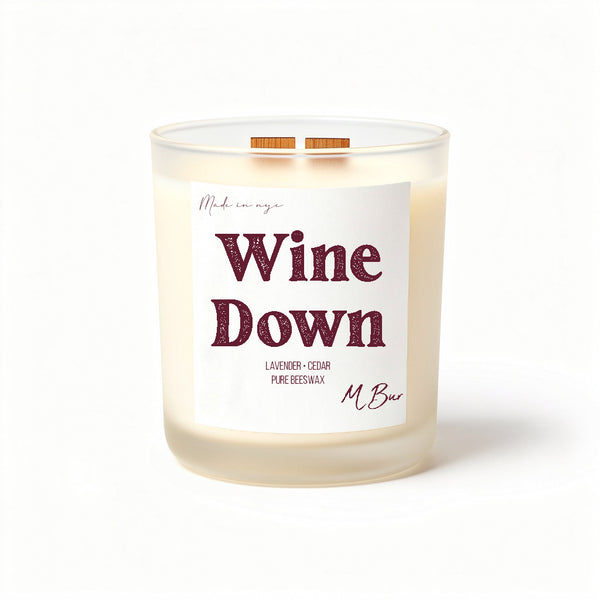
Wine Down Candle
$65.00
"Beeswax Doesn't Hold Scent"
Beeswax can absolutely hold fragrance. It just has its own subtle honey undertone that blends with added scents. Many people prefer this complexity over single-note fragrance bombs.
"All Soy Candles Are Clean"
The wax is only part of the equation. A soy candle with cheap fragrance oils full of phthalates isn't clean. A soy candle with a zinc-core wick isn't clean. Wax type matters, but so does everything else.
Which Should You Choose?
Choose beeswax if:
- You want the cleanest possible burn
- You have allergies or sensitivities
- You prefer longer-lasting candles
- You like subtle, natural scent
- Ingredient purity matters to you
Choose soy if:
- You want a lower upfront cost
- You prefer strong fragrance throw
- You're vegan and avoid bee products
The Bottom Line
Both beeswax and soy are better than paraffin. But if you're looking for the cleanest burn, longest lasting candle, and most natural ingredients, beeswax is the clear winner. It costs more upfront, but you're getting a premium product that burns cleaner, lasts longer, and actually improves your air quality. For people who care about what they're breathing, that's worth the investment.

