

Beeswax vs Paraffin: What 30 Days of Switching Actually Looks Like
Beeswax vs Paraffin: What 30 Days of Switching Actually Looks Like
Most beeswax-versus-paraffin comparisons are spec sheets: melting points, emissions data, soot grams. Useful, but not what actually changes when you swap them out in your home. This is a more practical look at what 30 days of switching from paraffin to beeswax candles actually looks like, day by day, room by room, and what you notice along the way.
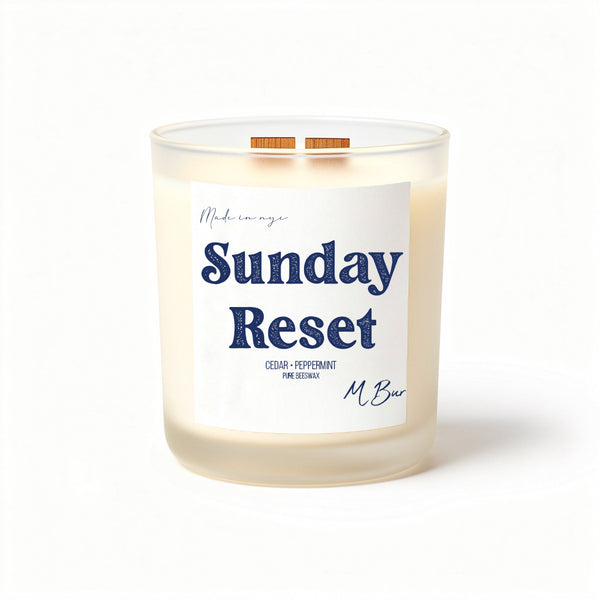
Browse the full MBur beeswax candle collection to see clean-burning beeswax in practice.
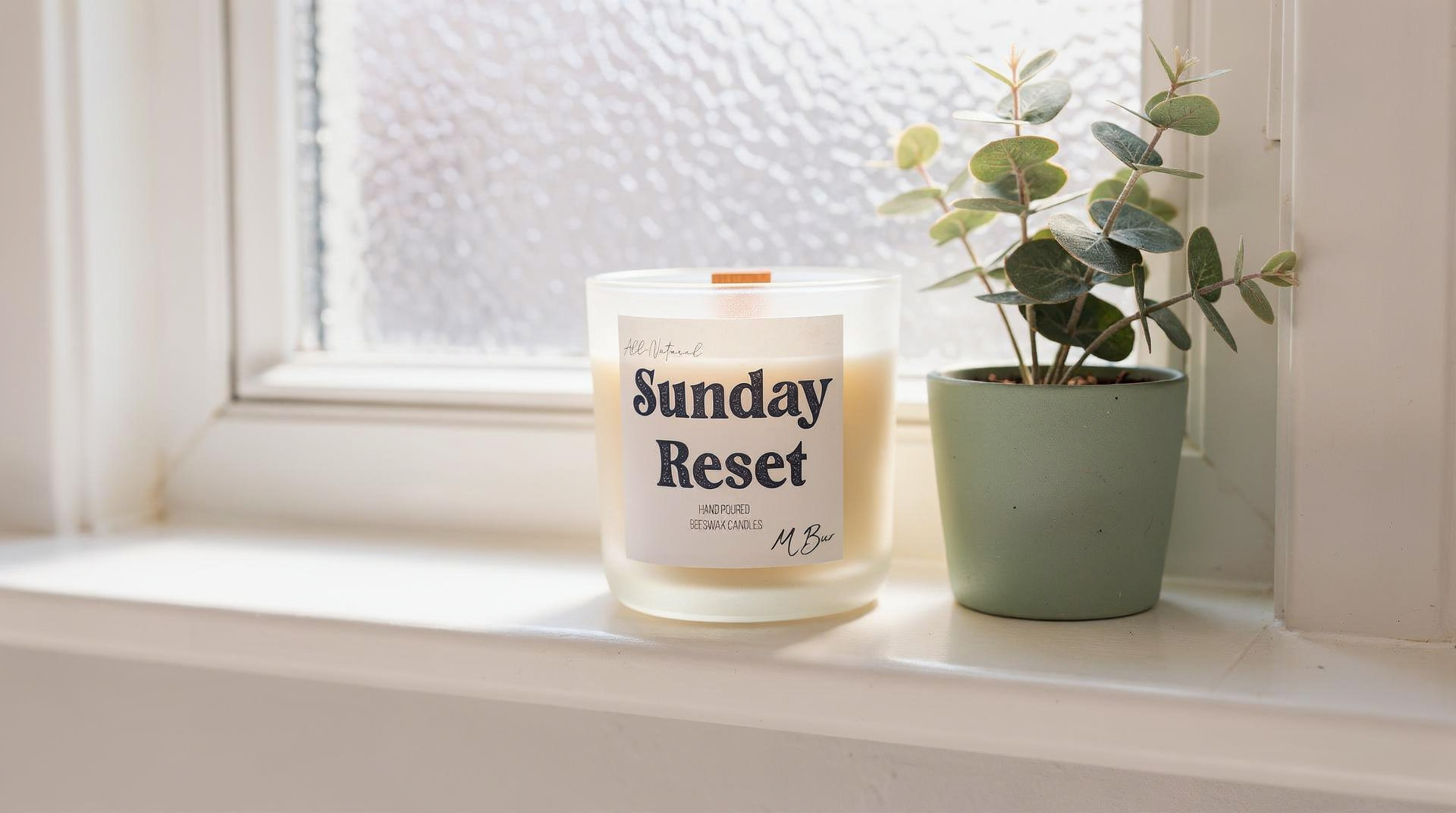
The Quick Answer
Most people notice three things within the first month: cleaner walls and ceilings as soot stops accumulating, fewer headaches and respiratory irritation in rooms where candles burn, and a different scent experience that takes a few days to adjust to. The candles also last meaningfully longer, which is the slow-burn change you notice in the second half of the month.
Week 1: The First Adjustment
The first thing most people notice is the scent. Paraffin candles with toxic fragrance throw scent aggressively because of phthalate fixatives engineered for strong projection. Beeswax with phthalate-free fragrance releases scent more gradually, so the room smells different, lighter and more even. Some people find this an adjustment; others find it more pleasant because the scent does not feel forced.
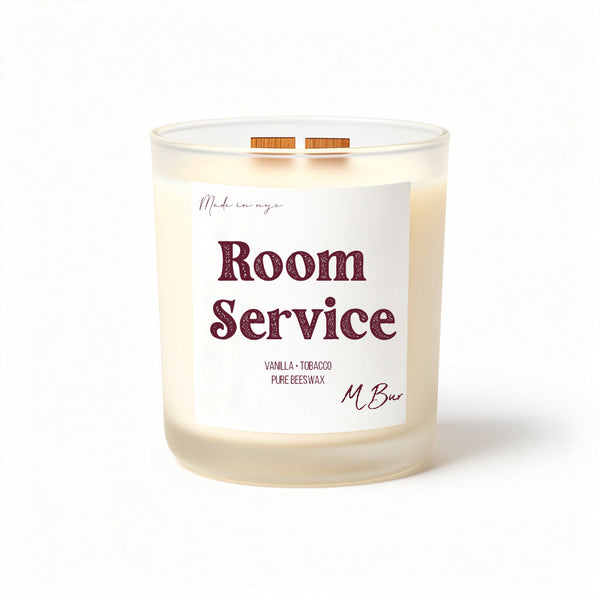
The second thing is the wick. If you have moved to a wooden wick, you notice the soft crackle, like a small fireplace. The flame is wider and lower. Trim the wick before each burn and the candle stays lit reliably.
Week 2: The Air Quality Shift
By the second week, people who get headaches from candles often realize they have not had one. This is the most-reported difference in customer feedback. The absence of benzene and toluene from paraffin combustion, plus the absence of phthalates from the fragrance, removes the most common chemical triggers.
"I instantly notice the difference in the air quality, in comparison to the Bath and Body scented candles. I love Bath and Body's candles but I acknowledge that it caused a slight headache and other minor respiratory discomfort." Jason H., Sunday Reset Candle
Week 3: The Walls and Soot
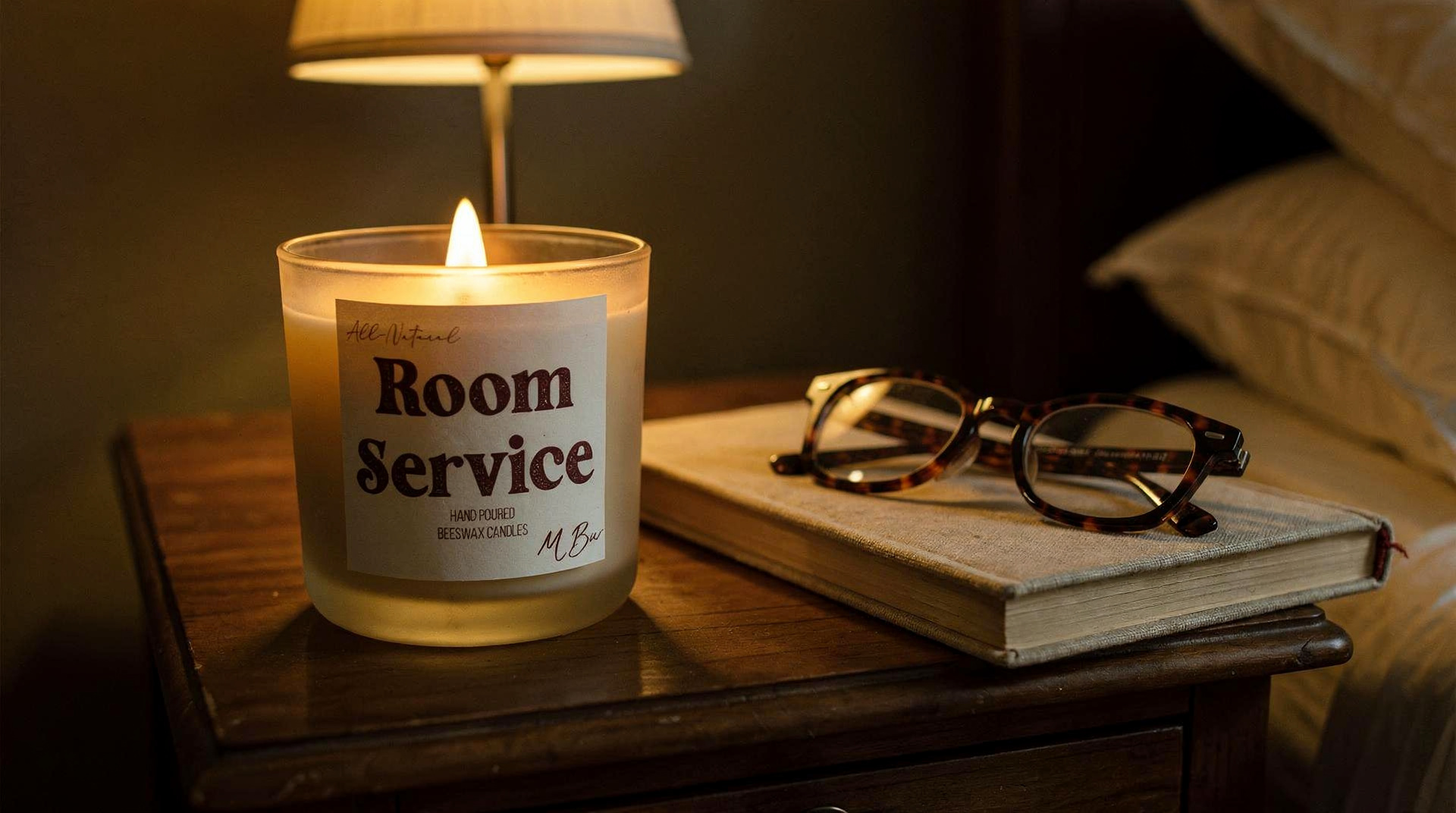
By week three, the wall above where you normally burn candles looks different. Paraffin soot builds up gradually as a faint gray cast around the candle jar and on the wall behind it, and you may not have noticed it until it stopped. Beeswax produces the least soot of any candle wax, and a wooden wick adds little. Renters often realize at this point how much the switch is protecting their deposit.
Week 4: The Burn Time Realization
The slow-burn change becomes visible. A 20-hour MBur beeswax candle has not finished yet, where a paraffin candle of similar size and burn habit would have been replaced. By the end of the month, the price-per-hour math comes into focus: $20 over 20 hours is $1 per hour, which holds up against most paraffin candles you would replace one or two of in the same period.
Comparison Table: 30 Days In
| What You Notice | Paraffin | Beeswax |
|---|---|---|
| Scent style | Aggressive, projected | Gradual, even |
| Headaches | Common | Rare |
| Respiratory irritation | Common in small rooms | Rare |
| Wall soot | Accumulating | Minimal |
| Wick sound | Silent (cotton) | Soft crackle (wooden) |
| Burn time | Shorter | Longer per ounce |
| Cost per hour | Often higher than it looks | Competitive |
| Indoor air feeling | Heavier after burns | Cleaner |
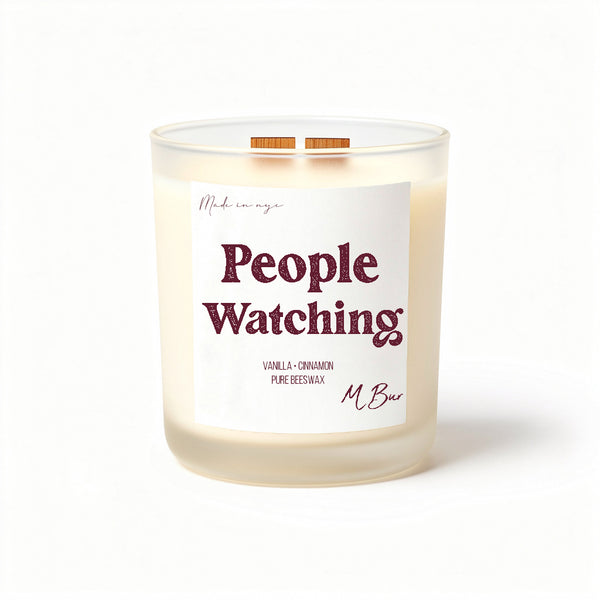
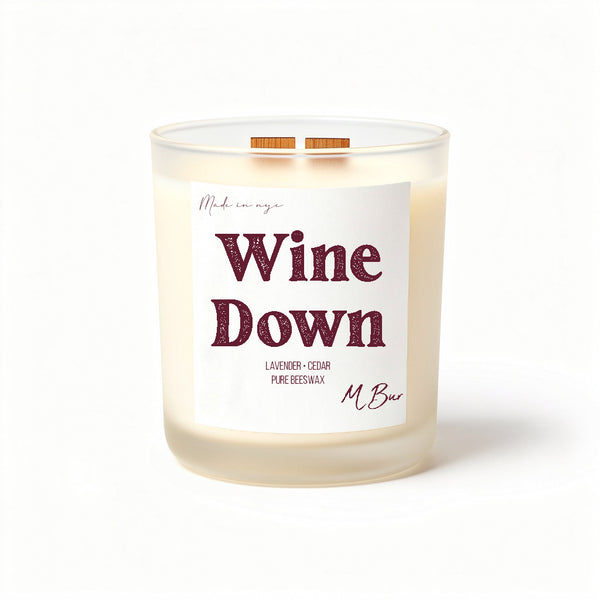
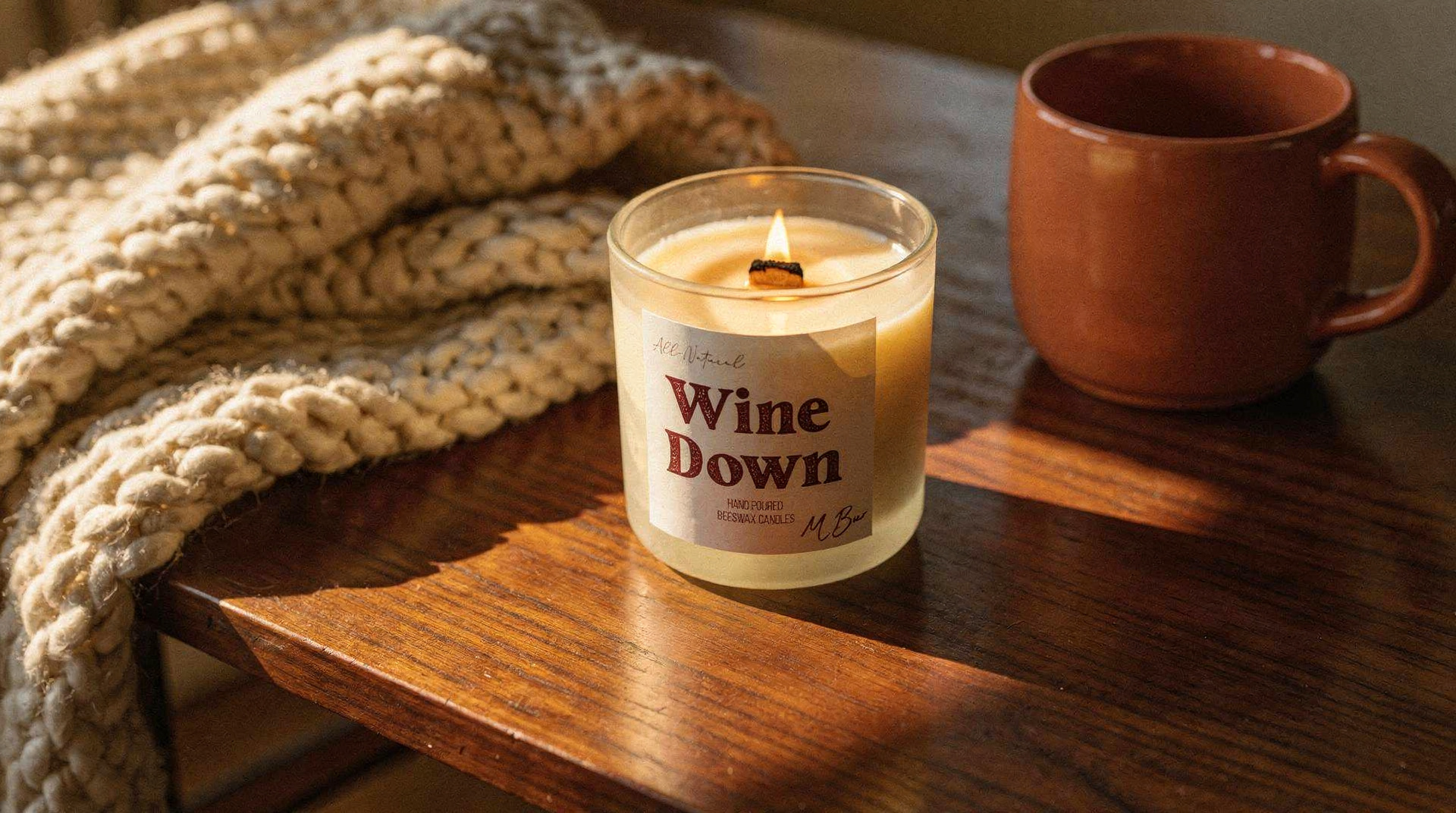
MBur uses 100% beeswax with phthalate-free non-toxic fragrance and wooden wicks. The Wine Down candle is a common first switch for people who used to get headaches from candles, and the Room Service candle is a strong everyday pick.
Frequently Asked Questions
How long does it take to notice a difference?
The scent change is immediate. The reduction in headaches and respiratory irritation is usually noticeable within the first week or two. Wall soot differences become visible by week three, and the burn-time advantage becomes obvious in week four.
Will I miss the strong scent throw of my old candles?
Some people do at first. Beeswax releases scent more gradually because of its high melting point, which reads as less aggressive but more even. Most people adjust within a week or two and end up preferring it because it does not give them a headache.
Is the price difference worth it in practice?
For most people, yes. Beeswax burns longer per ounce, so the cost per hour is competitive despite the higher sticker price. The savings show up in fewer replacements, plus the reduction in headaches and the protection of your walls.
Do I need to throw out my paraffin candles?
No, finish what you have if you want. But many people, once they have spent a few weeks with beeswax, do not go back. The change is comparative and tends to stick.
The Bottom Line
The switch from paraffin to beeswax is not dramatic on day one, but the cumulative changes over 30 days are real: cleaner air, fewer headaches, cleaner walls, longer burns. The spec-sheet comparison and the lived comparison point in the same direction. If you have been on the fence, a single 20-hour beeswax candle is enough to start noticing.
Shop the full collection of clean-burning beeswax candles
What buyers say:
Related reading:

