

Are Wooden Wicks Actually Better? An Honest Comparison
The internet has strong opinions on candle wicks. Scroll through any home decor forum and you will find fierce debates about whether wood or cotton delivers the superior burn. People want to know if the crackle and aesthetic of a wooden wick actually translate to better performance, or if traditional cotton remains the undisputed champion.
We decided to settle the argument with a direct, factual comparison. By the end of this guide, you will know exactly which wick type suits your space and your air quality. If you are ready to skip the reading and just want a candle that gets it right, browse our full beeswax candle collection to see wooden wicks done properly.

The Contenders: Wood vs. Cotton
Let us look at the raw materials. Cotton wicks are braided threads. They have been the industry standard for decades. Manufacturers often treat them with chemical additives to keep them standing upright, and some cheaper versions hide a metal core inside the braid to maintain rigidity.
Wooden wicks are thin slivers of natural wood, usually sourced from fruit trees or maple. They rely on the natural cellulose structure to draw wax up to the flame.
Scent Throw and Heat Distribution
A wider flame creates a wider melt pool. Wooden wicks burn horizontally, spreading heat evenly across the surface of the wax. This rapid, uniform melting vaporizes fragrance oils much faster. Research indicates wooden wicks can push up to 35 percent more fragrance into a room compared to their cotton counterparts.
Cotton wicks burn with a tall, narrow, teardrop shaped flame. They excel in small containers where a massive melt pool would cause the glass to overheat, but they struggle to throw scent in larger rooms.
Burn Time and Efficiency
Burn time depends heavily on the wax type and vessel size. Wooden wicks form wide melt pools quickly, which releases scent fast but can consume wax at a higher rate if left unattended. When paired with a high melting point wax like beeswax, the burn rate slows down significantly.
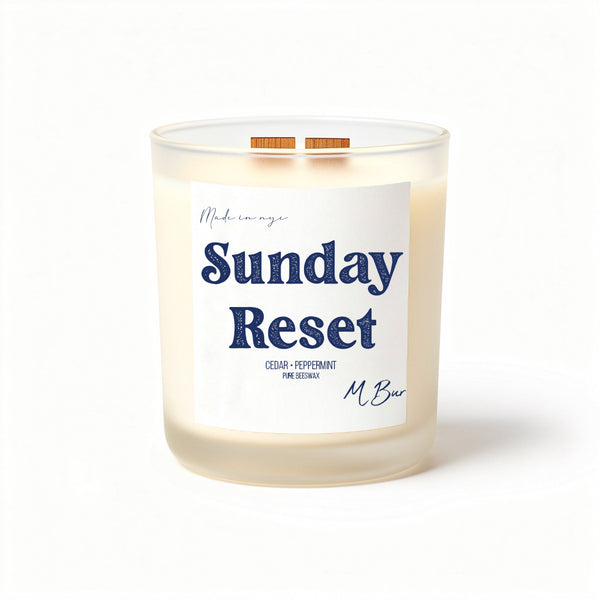
Cotton wicks offer a very steady, predictable burn in smaller jars. They consume wax at a slower, more linear rate, making them highly efficient for compact spaces.
Cleanliness and Soot Production
This is where the visual difference becomes obvious. Cotton wicks tend to develop carbon buildup at the tip, creating a mushroom shape. This carbon ball disrupts the flame and releases black soot into the air, eventually leaving a dark ring on your walls and ceiling.
Wooden wicks char cleanly. They develop a slight ash at the tip but produce vastly less soot and particulate matter, keeping your walls and the air in your home remarkably clean.

Ambiance and Sound
Wooden wicks give off a soft, distinct crackle. The sound comes from moisture and cellulose trapped in the wood fibers. Heat converts this moisture to steam, creating tiny pops that add a cozy auditory element to your room.
Cotton wicks burn in complete silence.
Maintenance and Lighting
Cotton wicks are forgiving. You light them and they catch instantly. Wooden wicks require a bit more patience. They take 20 to 30 seconds to ignite and need the flame held along the entire top edge.
They also require shorter trims, usually around one eighth of an inch, compared to the standard quarter inch for cotton. Proper trimming is essential for keeping the wooden flame stable and bright.
Side by Side Comparison
| Feature | Wooden Wicks | Cotton Wicks |
|---|---|---|
| Scent Throw | High, wide melt pool | Moderate, narrow melt pool |
| Soot Production | Very low, clean char | Higher, carbon mushrooming |
| Sound | Soft crackling | Silent |
| Lighting Speed | 20 to 30 seconds | Instant |
| Trim Length | One eighth inch | Quarter inch |
The Wick is Only Half the Equation
The right wick amplifies the wax and fragrance. When you pair a wooden wick with pure beeswax and non toxic fragrance, the result is a remarkably clean burn. Take the Room Service candle, for example. It features a wooden wick that crackles softly while melting a blend of exquisite saffron and delicate white tea, followed by enchanting peony and warm amber.
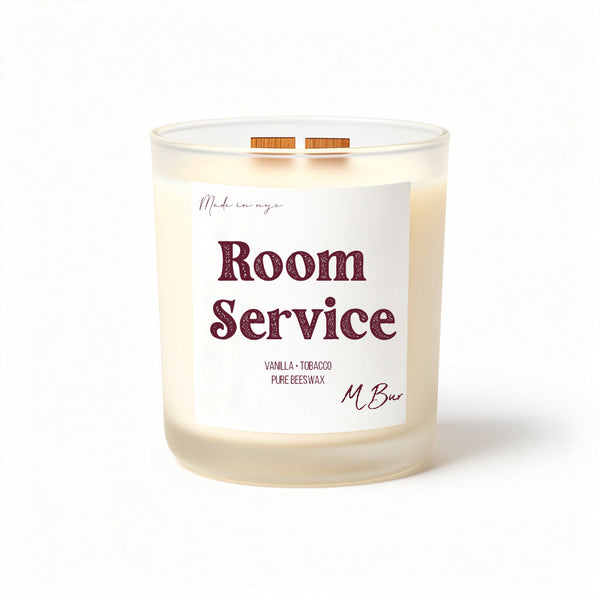
Customers notice the difference in air quality immediately. As one reviewer, Jason H., put it:
"I absolutely love these candles! I instantly notice the difference in the air quality, in comparison to the Bath & Body scented candles. I love Bath & Body's candles but I acknowledge that it caused a slight headache and other minor respiratory discomfort. Awesome products. Totally addicted."
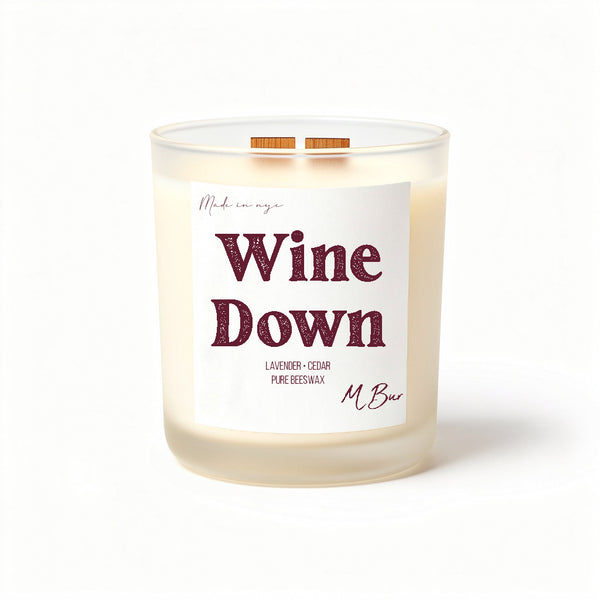
If you want that same clean experience for your evening routine, the Wine Down candle uses a wooden wick to diffuse fragrant lavender and invigorating camphor, followed by soothing chamomile, aromatic sage, and refreshing rosemary.
Health and Toxicity Impact
The wick is the delivery system for everything else in the candle. If the wick contains a metal core, you are vaporizing heavy metals into your living room. Even pure cotton wicks treated with chemical stiffeners add unnecessary compounds to the air.
Wooden wicks are naturally rigid. They require zero metal cores or chemical treatments to stand up in the wax pool. This makes them a significantly cleaner choice for indoor air quality.
The fragrance oil matters just as much. Many mass market candles use toxic fragrance containing phthalates and parabens. When a cotton wick mushrooms and burns inefficiently, it releases those toxic fragrance compounds directly into your breathing space. A clean wooden wick paired with non toxic, phthalate free fragrance oils keeps the air in your home breathable and comfortable.
Price Per Hour and Value
Cotton wicks are cheaper to manufacture. A standard soy candle with a cotton wick might cost 20 dollars for a 40 hour burn, bringing the cost to 50 cents per hour.
Wooden wicks cost more to produce and require precise calibration. A premium wooden wick candle might cost 60 dollars for an 80 hour burn. That brings the cost down to 75 cents per hour, but you get double the lifespan and vastly superior scent throw. When you factor in the clean burn and the lack of wall soot, the value proposition shifts heavily in favor of wood.

Frequently Asked Questions
Are wooden wicks actually better?
They offer superior scent throw and produce less soot, making them the better choice for large rooms and air quality. Cotton wicks remain a solid option for very small, narrow containers.
Why do wooden wicks take longer to light?
Wood is denser than braided cotton thread. The flame needs a few extra seconds to heat the cellulose structure enough to draw the wax up and sustain the burn.
How short should I trim wooden wicks?
Trim them to about one eighth of an inch before every single burn. If they are too long, the flame will struggle to draw the wax and will constantly extinguish itself. You can grab a wick trimmer or use our candle care accessories to keep them perfectly sized.
Does wax type affect scent throw regardless of wick type?
Absolutely. A wooden wick in a low quality paraffin blend will still release the toxins inherent in paraffin. Pairing a wooden wick with pure beeswax maximizes both the burn time and the cleanliness of the scent throw.
The Final Verdict
Wooden wicks win the comparison for anyone who prioritizes strong scent throw and minimal soot. They require a few extra seconds of patience to light, but the payoff is a beautifully even melt pool and a subtle crackling sound that cotton simply cannot replicate. For the best possible experience, look for wooden wicks paired with pure beeswax and non toxic fragrance.
Explore our full beeswax candle collection to find your favorite scent, all featuring premium wooden wicks and an 80 hour burn time.
Related reading

