

Are Scented Candles Safe for Cats? What Cat Owners Should Know
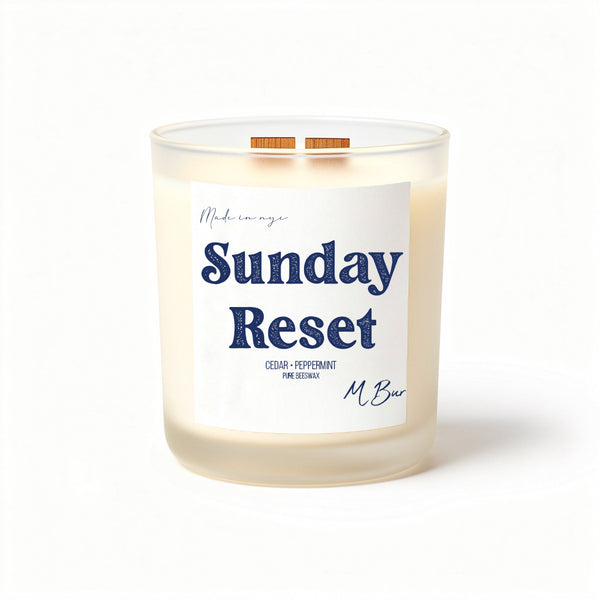
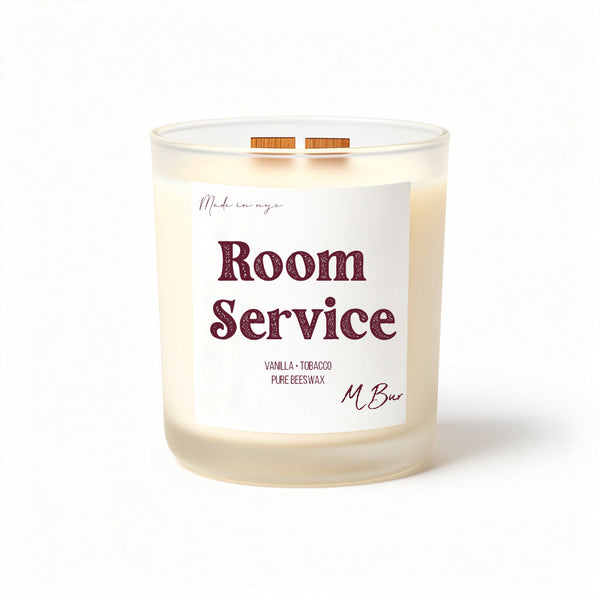
Your cat shares every square foot of your home, including the air, and that is exactly why the candle question comes up. Cats are more sensitive than we are to a lot of what floats around indoors, and they cannot tell you when something bothers them. The honest answer is that most candles are fine for a cat in a ventilated room, but a few specifics genuinely matter for a cat. Here is what to actually watch for as a cat owner, and the cleaner way to keep candles in a cat home. We make 100% beeswax candles, and the full collection is here as you read.
Why cats are more sensitive
Cats process some substances differently than people and dogs do. They lack certain liver enzymes that help break down particular compounds, which is why concentrated essential oils can affect a cat more than they affect you. Their airways are also smaller and more sensitive, so soot and heavy fragrance reach them harder. A cat will not cough and tell you a candle is bothering it the way a person would, so the cautious approach is to control what is in the air before it becomes a problem.
The three things to watch
Essential oils. This is the cat specific one. Certain essential oils, including citrus, pine, eucalyptus, tea tree, and mint, are a known caution around cats, especially concentrated in a diffuser. A candle releases far less than a diffuser, but if your cat is sensitive, a candle heavy with essential oils is worth skipping, and unscented is the safest of all.
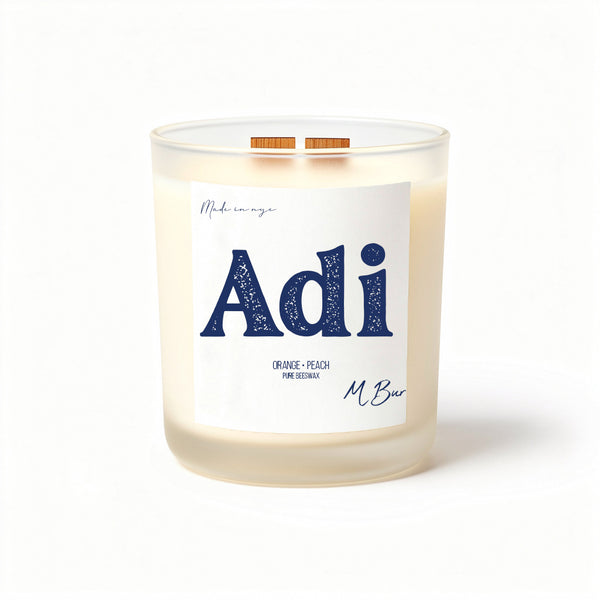
The wax and soot. A paraffin candle gives off more soot, the fine particulate that a cat's smaller airways do not need. Beeswax burns far cleaner, so the wax you choose makes a real difference in a closed up home with a cat in it.
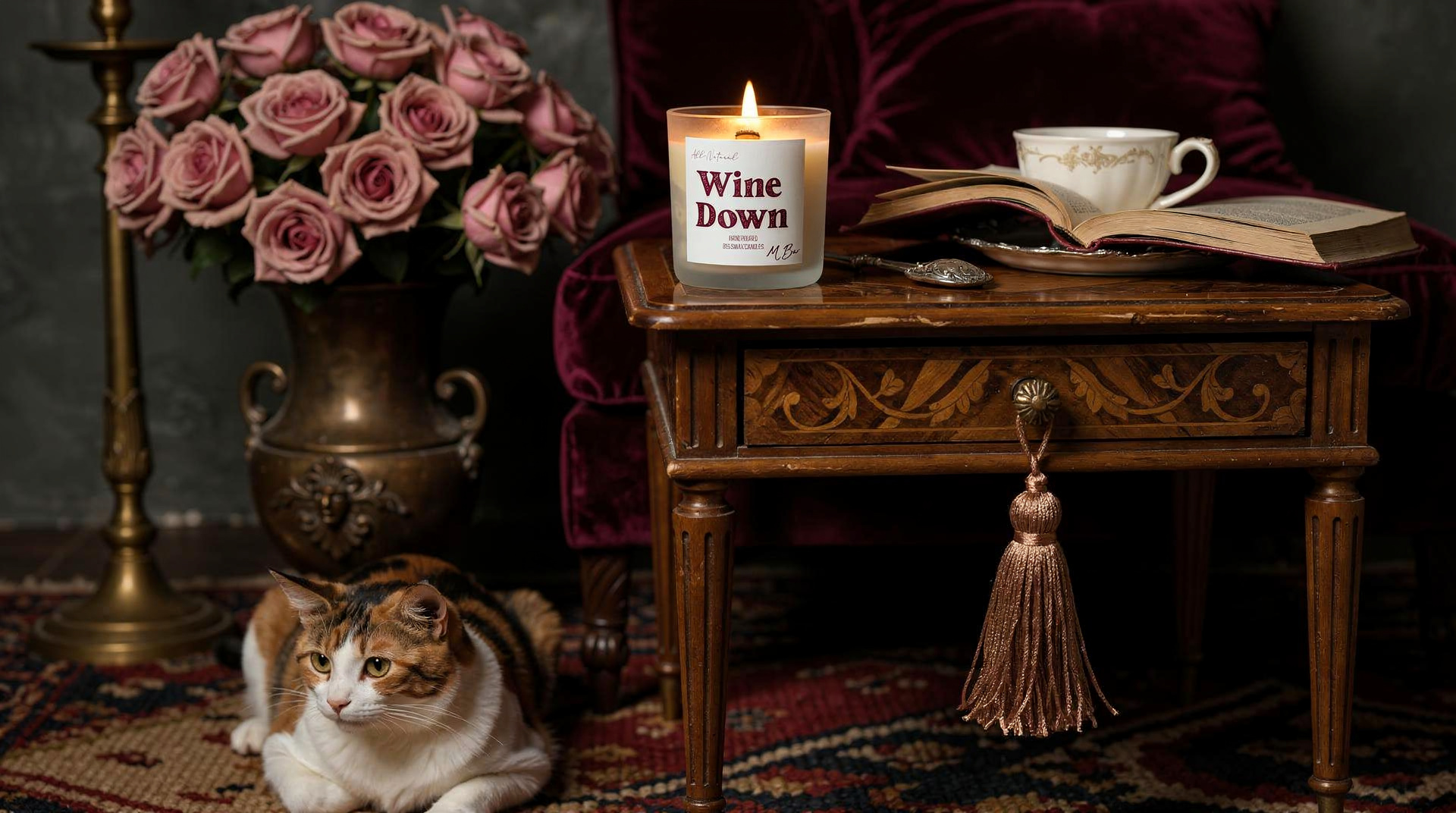
The flame. A curious tail and a knocked over jar are the everyday cat hazards people forget. Burn candles where your cat cannot reach them, on a stable surface, and never leave one lit in a room with an unsupervised cat.
The cleaner way to keep candles with a cat
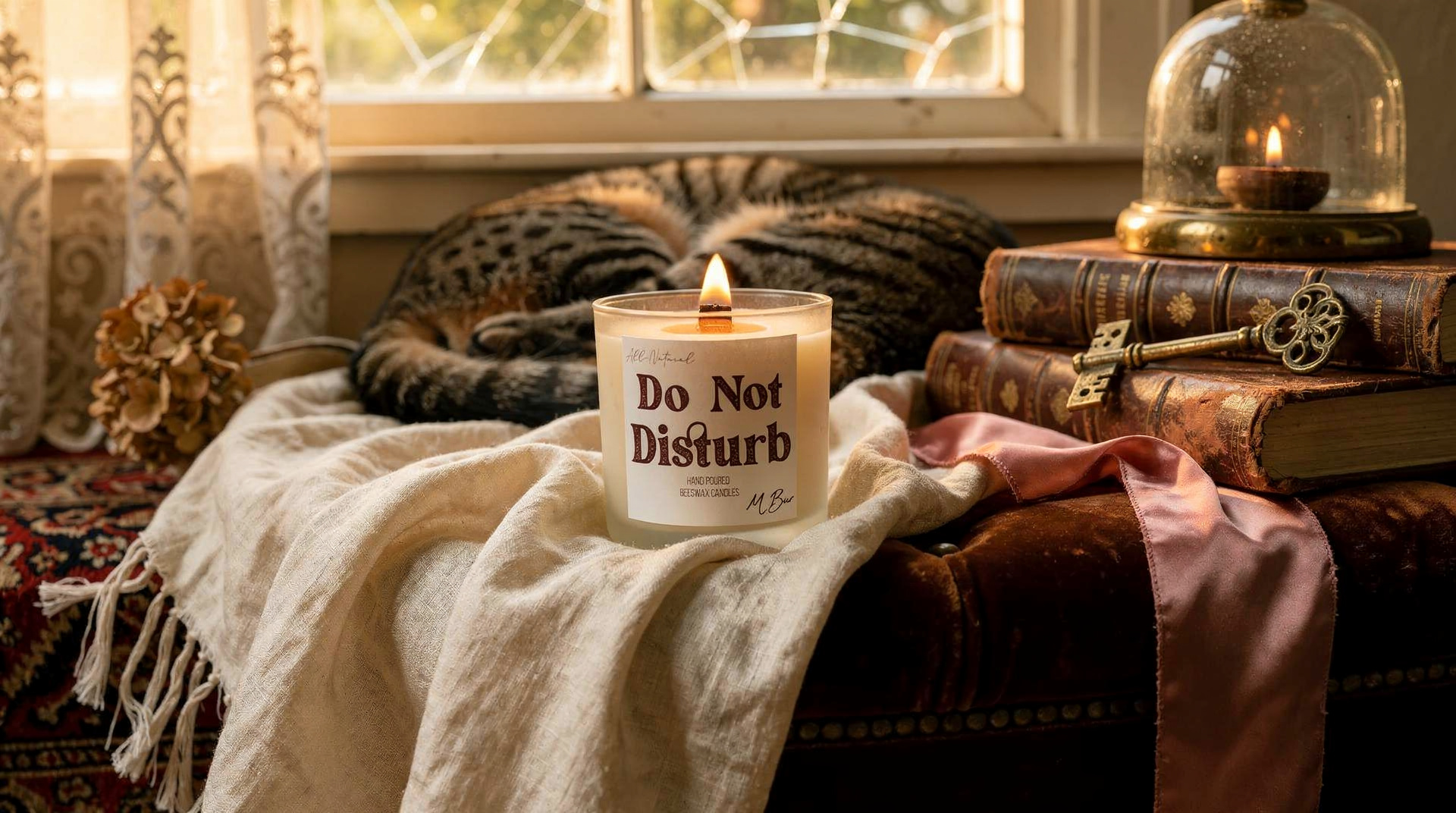
None of this means you have to give up candles because you have a cat. It means choosing a cleaner candle and being sensible about where it burns. Go with 100% beeswax instead of paraffin so there is no petroleum soot. Keep the scent light and clearly labeled, or unscented if your cat is especially sensitive. Ventilate the room, keep the flame out of reach, and watch your cat the first few times for any change. A clean candle used this way is a world apart from a heavily fragranced paraffin one burning in a closed room.
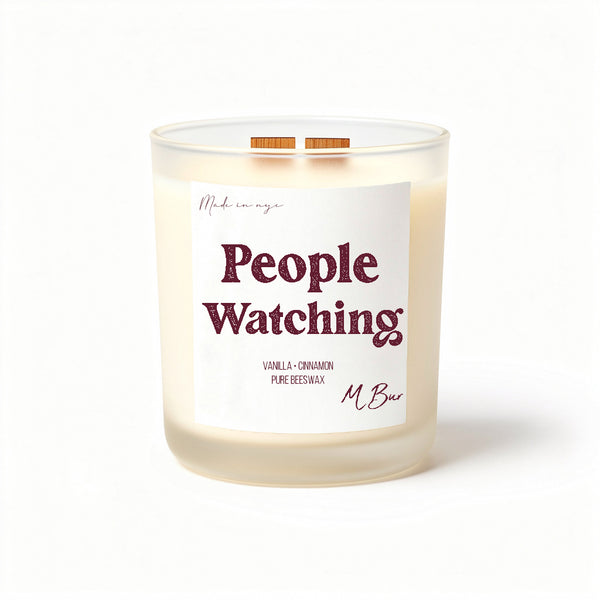
Beeswax is the wax to reach for here because it is a single ingredient and it burns with very little soot. If you want scent, the lighter MBur scents are an easier place to start in a cat home, and the collection tells you exactly what is in each one, which is more than most candles will.
Candles in a cat home, compared
| Factor | Heavily scented paraffin candle | Clean beeswax candle |
|---|---|---|
| Wax | Paraffin, more soot | 100% beeswax, very low soot |
| Fragrance | Undisclosed, often heavy | Light, clearly stated, or none |
| Essential oils | Unknown, not listed | Listed, so you can choose |
| Flame placement | Out of reach, supervised | Out of reach, supervised |
| Most cautious option | Skip it | Unscented, ventilated |
One thing worth saying directly: if your cat has asthma or any respiratory condition, talk to your vet before burning candles around them, and stop and call the vet if you ever see coughing, drooling, or lethargy after a candle has been lit. Your vet knows your cat better than any article does.
Cat owners who switch usually do it for the air. As one buyer put it:
Totally enjoying this candle. Also love the fact that these candles are non toxic. - Bryana G., Sunday Reset Candle
So, are candles safe for cats?
A clean candle, burned with sense, is generally fine for a healthy cat. The combinations to avoid are a candle heavy with essential oils or paraffin burning in a closed room, or any candle left where a cat can knock it over. Choose beeswax, keep the scent light or skip it, ventilate, and keep the flame out of reach. Do that and your cat and your candles can coexist without much worry.
See exactly what is in each scent in the full MBur beeswax collection, 100% beeswax with clearly labeled fragrance, so you can choose what suits your cat.
Common questions
Are scented candles toxic to cats?
A scented candle burned normally in a ventilated room is generally not toxic to a healthy cat. The real caution is concentrated essential oils, certain of which cats handle poorly, and heavy paraffin soot in a closed space. Keeping the scent light and clearly labeled, or unscented, and the wax beeswax rather than paraffin removes most of the worry. You can see what is in each scent in the collection.
What candles are safest for cats?
An unscented or lightly scented 100% beeswax candle, ventilated and kept out of paw reach, is the most cautious choice. Beeswax avoids the paraffin soot, and a clearly labeled scent lets you steer away from the essential oils that bother cats. For a sensitive cat, unscented is the safest of all.
How do I know if a candle is bothering my cat?
Watch for coughing, drooling, sneezing, or your cat leaving the room when a candle is lit. If you notice any of that, put the candle out, air the room, and check with your vet. Cats are good at hiding discomfort, so when in doubt, default to less scent and more ventilation.
The bottom line
Cats are sensitive, but a clean beeswax candle burned with a little care fits a cat home just fine. Skip the heavy essential oils and paraffin, keep the flame out of reach, ventilate, and watch your cat. Anything specific to your cat's health is a question for your vet, not a blog.
What buyers say:

