

Are Candle Warmers Safer Than Burning Candles for Your Indoor Air?
You bought a candle you love, and now you are deciding how to use it. Light the wick, or set it on a warmer and skip the flame. That choice changes more than you would expect, from what ends up in the air you breathe to whether you can run it safely overnight. This is the honest comparison between candle warmers and burning a candle the normal way, including the part most warmer reviews leave out, which is that the wax inside still decides how clean the whole thing is. We make 100% beeswax candles that work either way, so browse the full collection while you read.
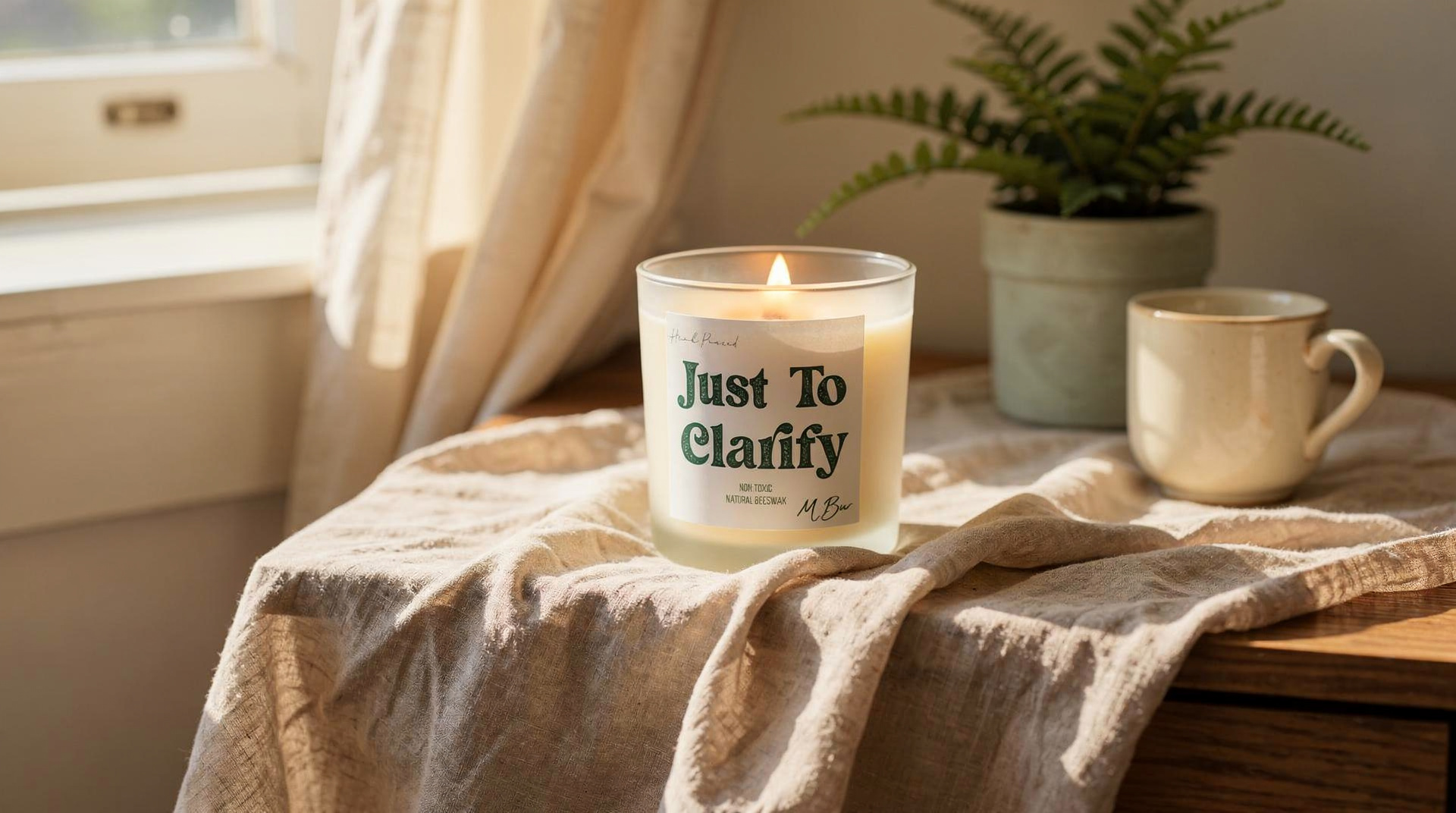
What a candle warmer actually does
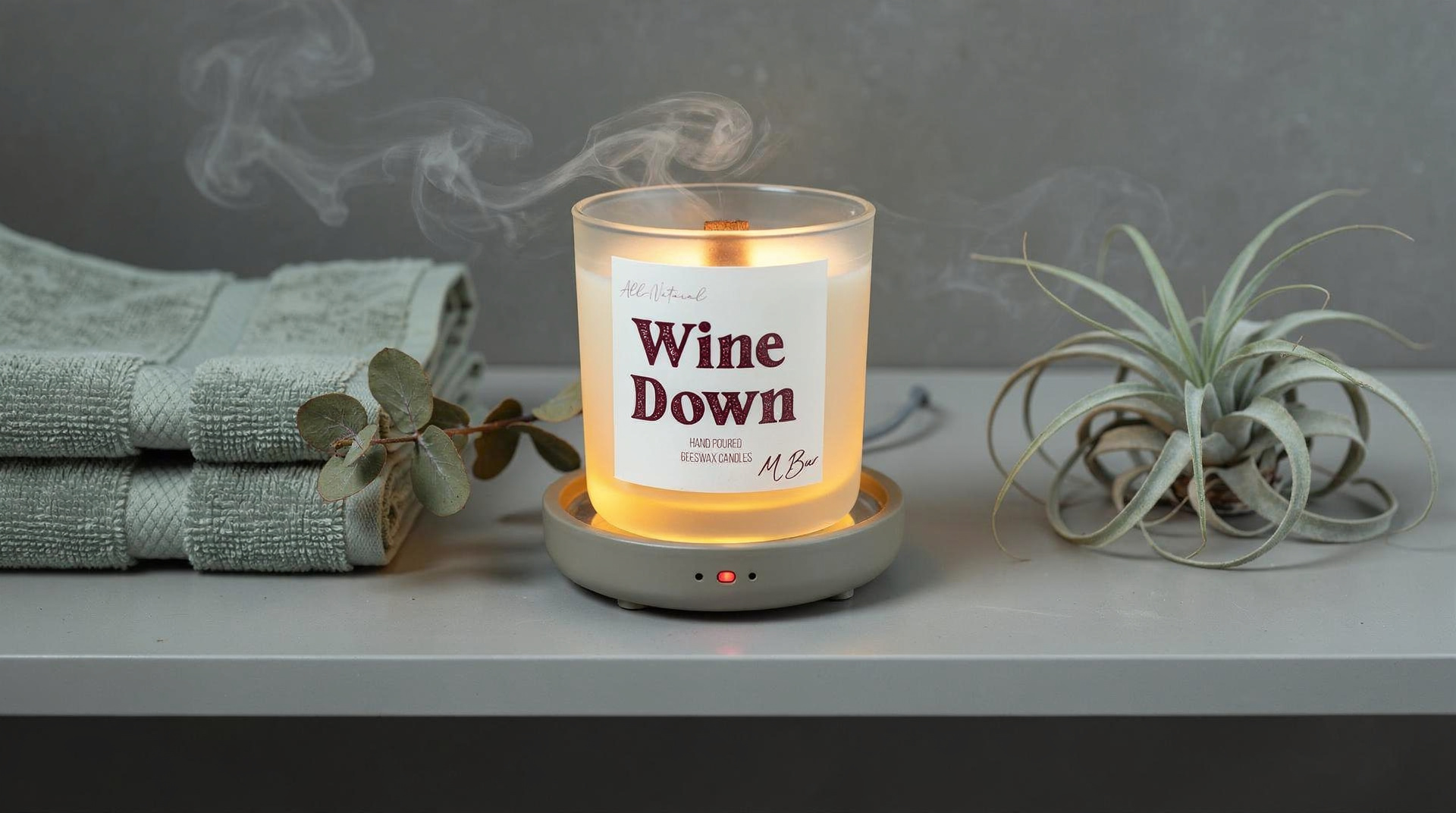
A candle warmer melts the wax with heat instead of a flame. Some are electric plates the candle sits on, others are lamps that warm the wax from above with a bulb. Either way there is no fire and no burning wick. The wax pools, the fragrance lifts into the room, and nothing is combusted to make it happen. That difference, heat instead of fire, is the whole reason people reach for warmers.
The real difference is in your air
When you burn a candle, the flame is a tiny combustion engine. It consumes the wick and the wax and gives off byproducts while it does. With a cheap paraffin candle that means visible soot and compounds like benzene and toluene released into the room. A warmer skips combustion completely. No flame means no soot on your walls and none of the byproducts that come from burning. For indoor air that is a genuine advantage, and it is why warmers get recommended for small or poorly ventilated spaces.
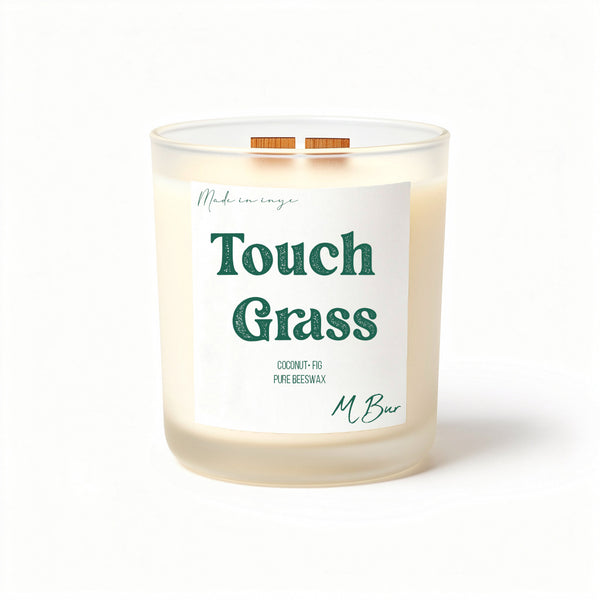
A warmer still releases whatever fragrance is in the candle, and that is the part a lot of warmer fans miss. If the candle is loaded with toxic fragrance and phthalates, warming it gently off gasses those same chemicals into your air, just without the soot. So a warmer makes a clean candle cleaner and a dirty candle quieter, but it cannot turn a toxic candle into a safe one. The wax and the fragrance still decide what you are breathing.
Candle warmer vs burning, side by side
| Factor | Burning the candle | Using a warmer |
|---|---|---|
| Open flame | Yes | No |
| Soot on walls | Possible, heavy with paraffin | None |
| Combustion byproducts | Yes, especially paraffin | None |
| Releases the fragrance | Yes | Yes, so clean wax still matters |
| Wooden wick crackle | Yes | No, there is no flame |
| Candle lifespan | Normal burn time | Often longer, no wax burned off |
| Leaving it running | Never unattended | Lower flame risk, surface still hot |
| Best for | Ambiance and the crackle | Flame free homes and overnight |
What a warmer cannot fix
Since warming releases the same fragrance, the candle you put on the warmer is still the thing that matters most. A clean candle is simple to spot once you know what to check. The wax should be a single ingredient. The fragrance should be phthalate free and clearly stated. The wick should be cotton or wood. And nothing should be dyeing the wax.
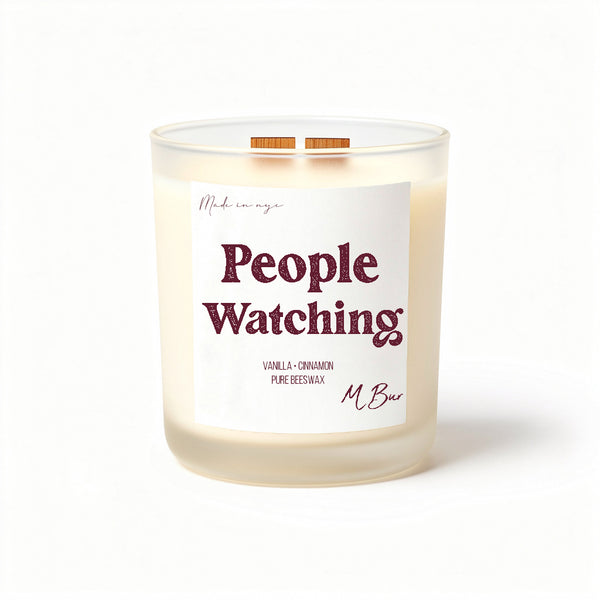
Every MBur candle is built to pass that, which is the entire point of the brand. One ingredient of 100% beeswax, phthalate free non toxic fragrance, an untreated wooden wick, and no dyes. On a warmer you lose the crackle of the wooden wick, but you keep the clean wax and the honest fragrance, which is what makes warming safe in the first place. The whole lineup is in the collection.
The difference in the air is something people notice fast, whether they burn or warm. As one buyer put it after switching from a mass market brand:
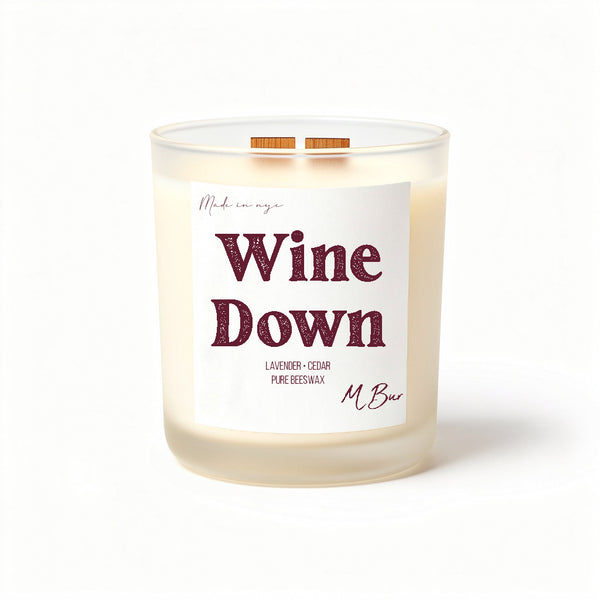
I instantly notice the difference in the air quality, in comparison to the Bath & Body scented candles. - Jason H., Wine Down Candle
So which should you choose?
If you love the ritual and the crackle of a wooden wick, burning is the experience you want, and a clean beeswax candle gives you that with none of the soot of paraffin. If you want scent without a flame in the house, a warmer is the safer pick, easier to justify in a home with pets or kids, or for a candle you would otherwise leave burning overnight. Plenty of people do both, burning in the evening and warming while they sleep. Either way, the candle on the warmer or under the flame should be clean to begin with.
Common questions
Are candle warmers actually safer than burning a candle?
On fire risk and on air, yes. A warmer has no open flame, so there is no soot and none of the combustion byproducts you get from burning, especially from paraffin. The surface still gets hot, so it is not entirely risk free, but it is far easier to leave running than a lit candle. The warmer still releases the fragrance though, so start with a clean candle from the collection.
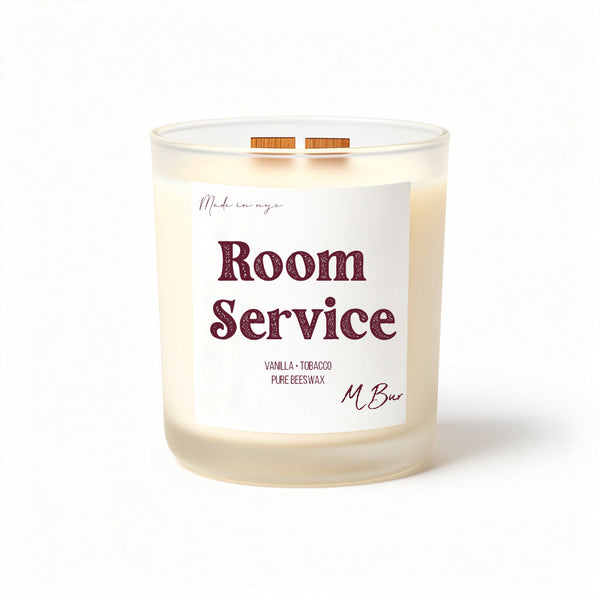
Do candle warmers make a candle last longer?
Usually, yes. Because no wax is consumed by a flame, a warmer melts and releases the scent more slowly, so a candle often lasts longer than it would burned. Pure beeswax already has the longest burn time of any wax, so on a warmer an MBur candle stretches even further.
Can I use any candle on a warmer?
Most container candles work on a warmer, but the wax still decides what you breathe. Warming a toxic fragrance candle off gasses the same chemicals without the soot, so a clean beeswax candle is the one worth warming. Wine Down with lavender, chamomile, sage, and cedar is a calm one to melt in the evening.
The bottom line
A warmer wins on flame safety and clean air because it skips combustion entirely, while burning wins on ritual and the wooden wick crackle. Neither method fixes a dirty candle, so the real decision is the wax. Choose a clean beeswax candle and both ways are safe, it just comes down to whether you want the flame.
Browse the full MBur beeswax collection, 100% beeswax with clean fragrance, ready to burn or warm.
What buyers say:

