

The Complete Guide to Beeswax Candles: Everything You Need to Know Before You Buy
The Complete Guide to Beeswax Candles: Everything You Need to Know Before You Buy
You burned through your third paraffin candle this month. The jar is coated in black soot, your coffee table has a greasy film on it, and somewhere in the back of your head there is a low grade headache you keep blaming on screen time. Then someone mentions beeswax candles and suddenly you are googling at midnight trying to figure out if the hype is real or if this is just another wellness rabbit hole.
Here is the short answer: the hype is real. The longer answer is that not all beeswax candles are created equal, and buying the wrong one is just expensive disappointment. This guide covers exactly what beeswax is, why it burns differently than anything else on the market, what to watch out for when you shop, and how to find the candle that actually fits your space and your life.
By the time you finish reading, you will know more about candle wax than most people who sell it. Start with MBur's full collection of 100% beeswax candles if you want to browse while you read.
What Actually Is Beeswax?
Beeswax is a natural substance secreted by honeybees to construct the honeycomb inside their hive. Worker bees consume honey, and glands on their abdomen convert that energy into wax flakes, which they then mold into the hexagonal cells that store honey and pollen. It is a byproduct of honey production, not a separate process, which means every pound of beeswax you burn is supporting an active, functioning hive.
Humans have been using it as a candle material for roughly 5,000 years, making it the oldest candle wax in existence. Ancient Egyptians used it in torches. Medieval churches burned it almost exclusively because it was considered too pure for anything less. The modern version of the beeswax candle is functionally the same material, just refined and sometimes paired with better fragrance and smarter design.
The raw wax ranges from deep golden brown to ivory depending on how it has been filtered and what flowers the bees were foraging. The natural scent is subtle, honey adjacent, and slightly sweet without being loud about it.
Why Beeswax Burns Differently Than Every Other Wax
This is the part most candle companies skip over because it takes more than two sentences to explain properly.
The Melting Point Advantage
Beeswax has the highest melting point of any candle wax, around 149 degrees Fahrenheit. Paraffin melts somewhere between 99 and 145 degrees. Soy sits around 120 to 135 degrees. That higher melting point means beeswax burns slower, which translates directly to longer burn times. A well made beeswax candle burns two to five times longer than a comparable paraffin candle of the same size.
MBur's 12oz beeswax candles are rated at 80 hours of burn time. That is not a marketing number. Beeswax earns it purely through chemistry.
The Light Quality
Beeswax emits light in the same spectrum as natural sunlight, producing a warm, golden glow that feels noticeably different from the flat, white light of a paraffin or soy candle. If you have ever been in a room lit entirely by beeswax candles and wondered why everything looked warmer and softer, this is why. It is not ambiance. It is physics.
The Clean Burn
Paraffin is a petroleum byproduct. When it burns, it releases compounds including benzene, toluene, and formaldehyde into your air. Beeswax contains none of that. It burns with little to no soot and no petrochemical byproducts. For people with asthma, allergies, or sensitivity to airborne irritants, this is not a small thing.
Some studies suggest that burning beeswax releases negative ions, which may bind to positively charged particles like dust, pollen, and mold spores and cause them to drop out of the air. Many users report noticeably cleaner air quality in rooms where they burn beeswax regularly. This is still an area of ongoing research, so treat it as a promising benefit rather than a medical claim, but the clean burn itself is documented and not in dispute.
Beeswax vs. Soy vs. Paraffin: The Real Comparison
Before you spend money on anything, here is what actually separates these three wax types.
| Category | Beeswax | Soy | Paraffin |
|---|---|---|---|
| Source | Honeybee secretion, natural byproduct | Hydrogenated soybean oil | Petroleum refining byproduct |
| Melting Point | ~149F (highest) | ~120 to 135F | ~99 to 145F |
| Burn Time | Longest (2 to 5x paraffin) | Moderate | Shortest |
| Soot Output | Minimal to none | Low | High (black soot, VOCs) |
| Air Quality | Cleanest burn, possible negative ion release | Better than paraffin | Releases benzene, toluene, formaldehyde |
| Natural Scent | Subtle honey and nectar | Neutral | Neutral to slightly chemical |
| Purity Risk | Blends exist, check for 100% label | Often blended with paraffin | Frequently blended with additives |
| Price Point | Premium | Mid range | Budget |
| Hypoallergenic | Yes | Depends on fragrance used | No |
The soy vs. beeswax question deserves a little more nuance. Soy is genuinely better than paraffin. But a lot of soy candles are blended with paraffin to cut costs and improve throw, and many use toxic fragrance that cancels out any wax benefit. If someone is selling you a soy candle and calling it clean, ask what is in the fragrance. You will be surprised how often that question goes unanswered.
For a deeper breakdown, read our post on which candle wax is safest for indoor air quality.
The Purity Problem: What to Watch Out For When You Shop
Here is where a lot of people get burned, figuratively speaking.
In the United States, a candle can legally be labeled and marketed as a beeswax candle if it contains as little as 51% beeswax. The other 49% can be paraffin. You would never know from the front of the jar. This is not a fringe practice. It is common enough that it warrants checking before you buy anything that does not explicitly say 100% beeswax.
The Fragrance Problem
Even if the wax is pure, the fragrance oil can undermine everything. Toxic fragrance is the most common source of candle related air quality issues. Many conventional fragrance compounds contain phthalates, which are endocrine disruptors linked to hormonal disruption. A beeswax candle scented with toxic fragrance is cleaner than a paraffin candle, but it is not the clean candle you think you are buying.
What you want is a candle that specifically calls out phthalate free fragrance. That detail matters as much as the wax type.
The Wick Problem
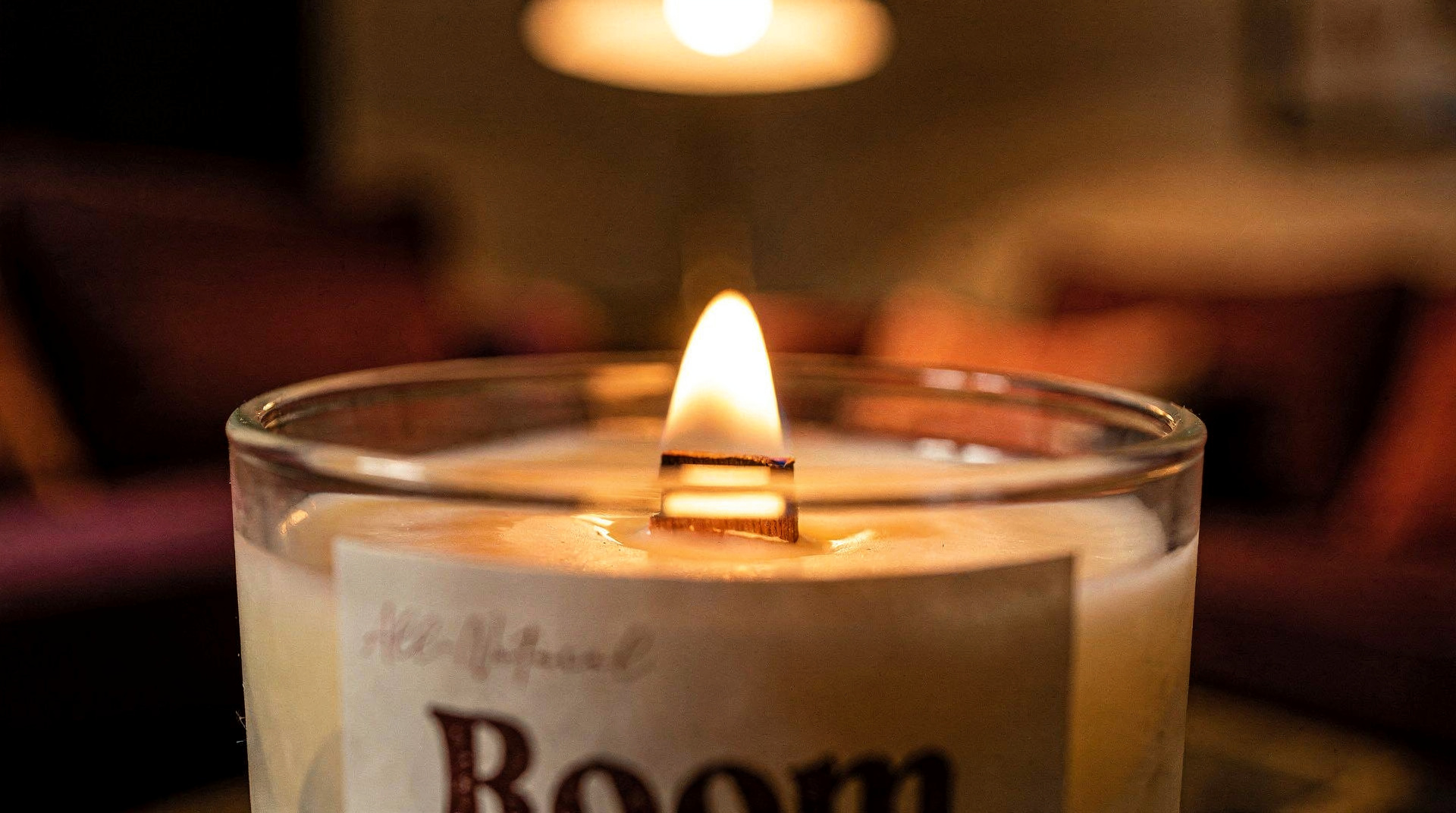
Older candles and some imported ones still use metal core wicks, which can release heavy metal particulates when burned. Look for 100% cotton wicks or wooden wicks. Both burn cleanly. Wooden wicks also produce a soft crackling sound that cotton wicks do not, which is either a selling point or a non issue depending on your preferences.
What to Actually Look For: A Buyer's Checklist
Run any beeswax candle through this list before you commit to it.
- Says "100% beeswax" explicitly, not just "beeswax" or "beeswax blend"
- Phthalate free fragrance if scented, or no fragrance at all
- No chemical dyes (color should come from natural wax tones, not synthetic dye)
- Cotton or wooden wick, no metal core
- No paraffin in the ingredient list (read the fine print)
- Transparent about sourcing, ideally made in small batches
- Burn time listed and proportional to the candle size
If a brand cannot answer those questions on their product page, that is your answer.
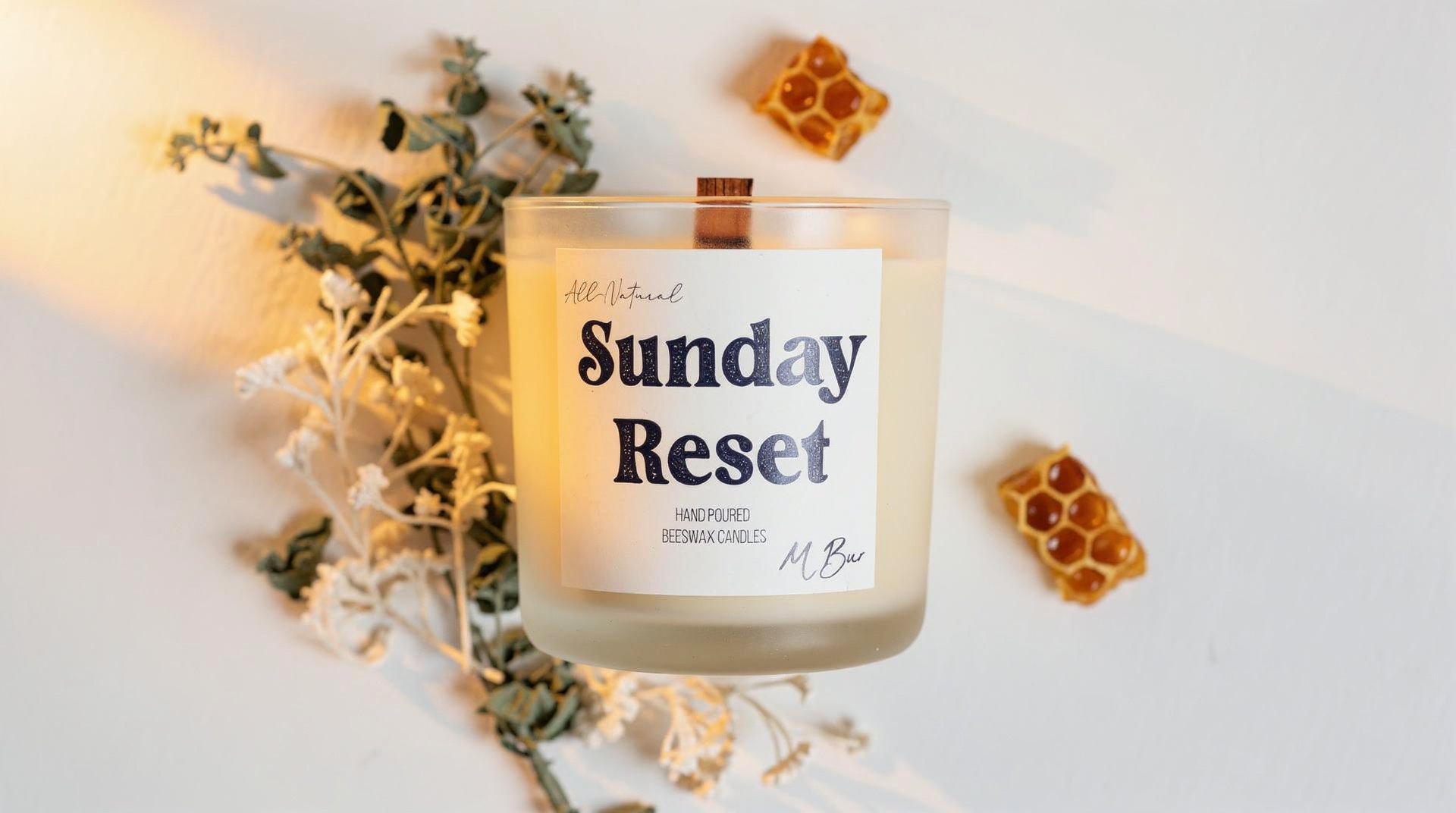
"I absolutely love these candles! I instantly notice the difference in the air quality, in comparison to the Bath and Body scented candles. I love Bath and Body's candles but I acknowledge that it caused a slight headache and other minor respiratory discomfort. Awesome products. Totally addicted." Jason H., Sunday Reset Candle
That shift from conventional candles to 100% beeswax with phthalate free fragrance is something a lot of people notice quickly. If you want to test it yourself without committing to a full size candle, the MBur candle sample collection ($5 each) lets you try individual scents before buying a larger size.
The Best Beeswax Candles on the Market Right Now
To be genuinely useful here, MBur is not the only brand worth knowing about. Here is an honest breakdown of who makes good beeswax candles and what they are actually best for.
MBur Candle Co. (Best for Scented Jar Candles)
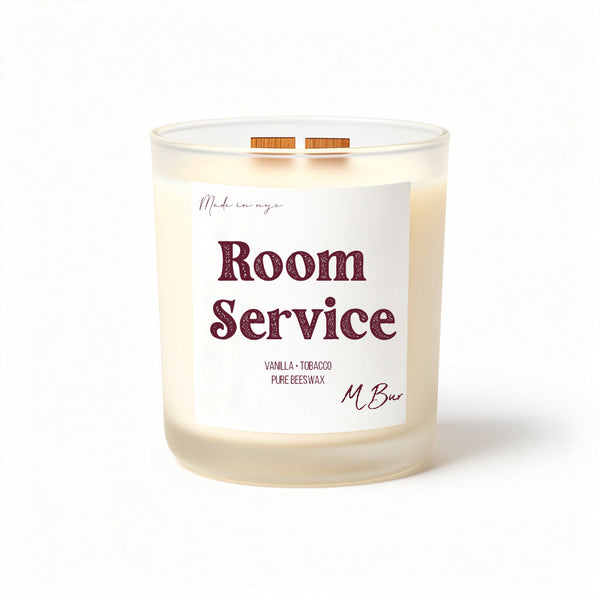
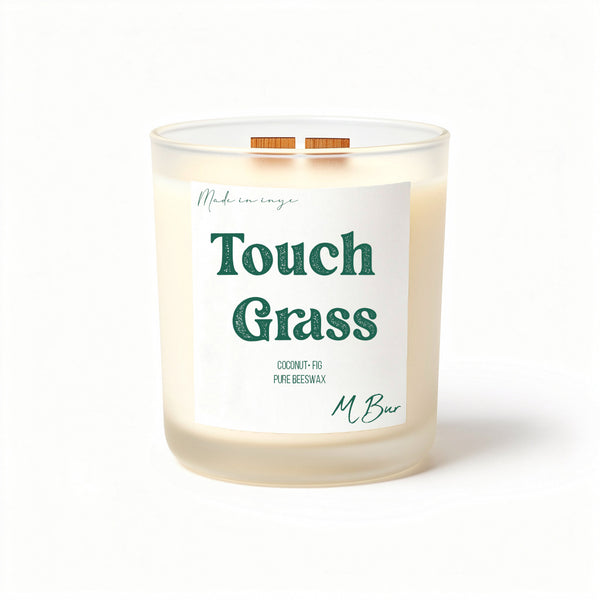
Handmade in Queens, NY. 100% beeswax, wooden wicks, phthalate free fragrance, no chemical dyes. The 12oz candle burns for 80 hours, which is the longest burn time in any candle wax category. Scents are genuinely distinct and not the generic vanilla or lavender you find everywhere else. The Room Service candle is the bestseller for a reason: it layers white tea, saffron, and oud into something that smells more like a luxury hotel lobby than anything you can get at a mall. The 12oz size runs $60.
"These have been my favorite candles since I discovered them a few years ago! I find that the scent spreads throughout my whole home so much more than any other candle I've tried. I love the wooden wicks. It's a beautiful glow and it makes a very subtle crackling sound. And I can really tell the difference in the natural materials, especially compared to other big brand named candles that I've tried which make me feel like I need to cough." Sarah Thompson, Sunday Reset Candle
Bluecorn Beeswax (Best for Tapers and Tea Lights)
A Colorado based brand that specializes in unscented pillar and taper candles. Their 100% pure beeswax tapers run around $11 to $13.25 per pair and come in both raw golden and filtered ivory finishes. They use square braided cotton wicks and offer carbon neutral shipping. A 24 pack of tea lights is about $34.95 with a burn time of roughly 4 to 5 hours each. Strong choice if you want the unscented, natural honey scented burn of pure beeswax in a traditional form.
Big Dipper Wax Works (Best for Aromatherapy Pillars)
Pacific Northwest brand with a focus on essential oil infused beeswax. Their aromatherapy pillars start around $12.99 and their Sanctuary Glass candle (12.5oz) runs about $34. They source from Northwest beekeepers and donate 5% of net profits to bee conservation organizations. Good option if you want pure essential oil fragrance rather than fragrance oil based scents.
Greentree Home (Best for Statement Candles and Decor)
Hand poured in the Catskills, NY, Greentree makes sculptural beeswax candles: rope tapers, pyramid pillars, fluted columns. Their large fluted pillar runs around $72 and their rope tapers are about $38 per pair. These are less about scent and more about visual impact. Burn time on their large pyramid is around 60 hours. Worth it if you want a beeswax candle that doubles as an actual design object.
Mole Hollow Candles (Best Heritage Pick)
Made in Massachusetts since 1969, Mole Hollow specializes in hand dipped beeswax tapers with a distinctive spun finish that looks like linen. A set of 12 tapers runs about $78.50. These are dripless and smokeless when burned correctly. The longevity of the brand and the consistent quality make them a solid pick for someone who wants a traditional taper candle with a proven track record.
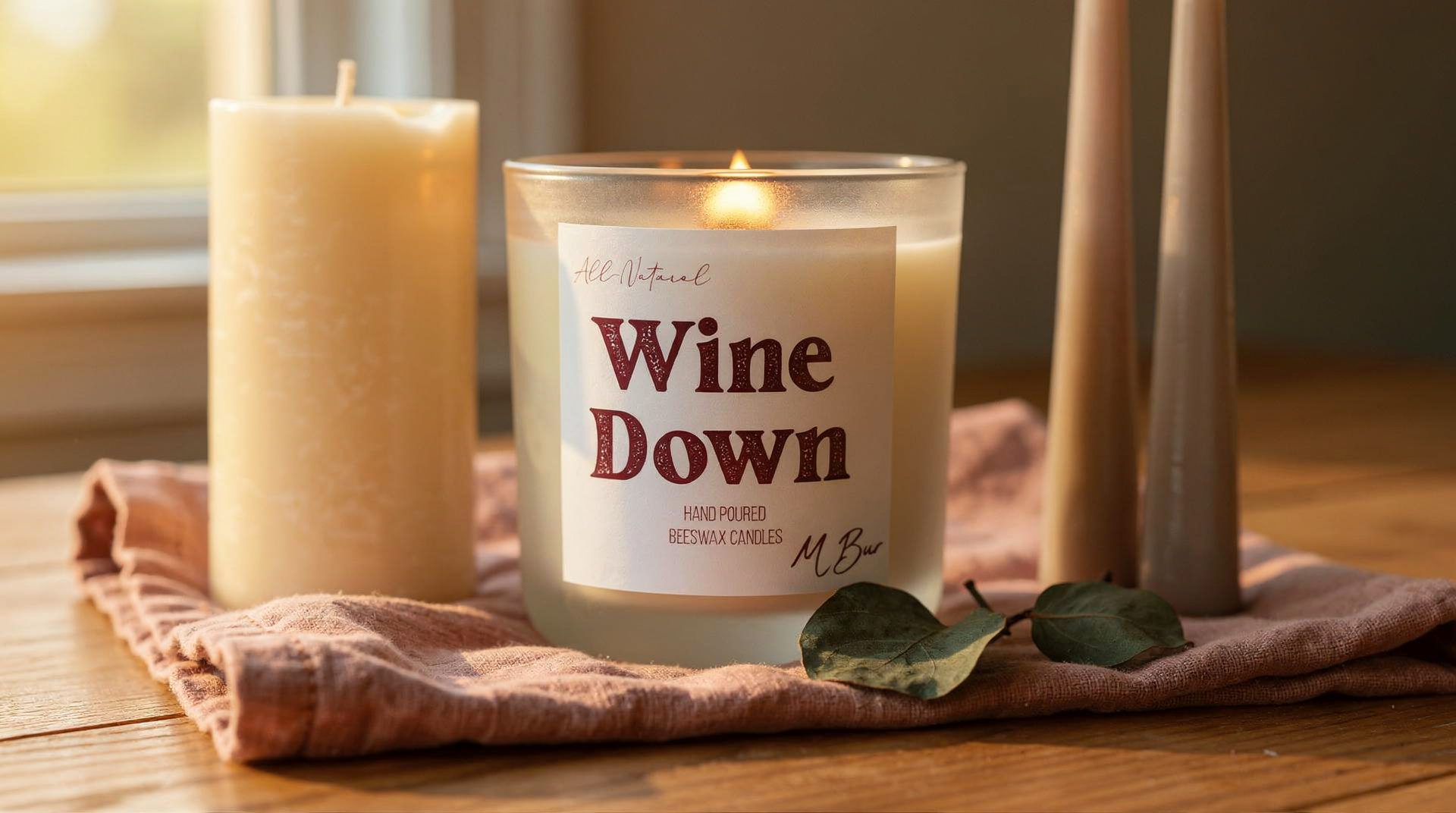
How to Match a Beeswax Candle to Your Space
Not every candle format works in every room. Here is a quick map.
Bedroom
Go for a jar candle with a calming scent. The wooden wick crackle is genuinely useful here: it gives you something to focus on instead of whatever you were anxious about twenty minutes ago. The Do Not Disturb candle was built for this room specifically, with fresh florals and a light citrus opening that settles into something quieter as it burns. The 40 hour size at $23 is a reasonable starting point for the bedroom.
Living Room and Common Spaces
This is where you want a candle that can fill a room. The 80 hour 12oz size from MBur is designed for this. Something like the People Watching candle with its warm spice and citrus profile works well in a shared space because it is inviting without being divisive. Most people who walk into a room where it is burning will ask what it is.
WFH Office and Focus Spaces
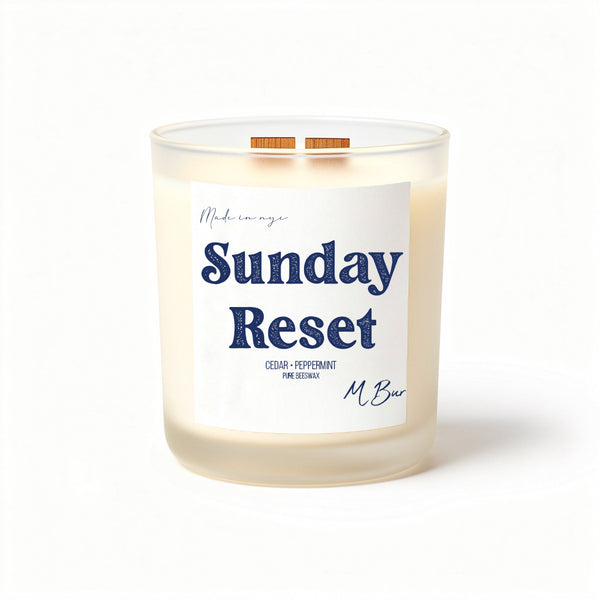
Keep it clean and grounding. The Sunday Reset candle with peppermint, eucalyptus, cedar, and patchouli is specific enough to be interesting but clean enough not to compete with your focus. Wooden wick crackle in a quiet room is legitimately useful for concentration.
Bath
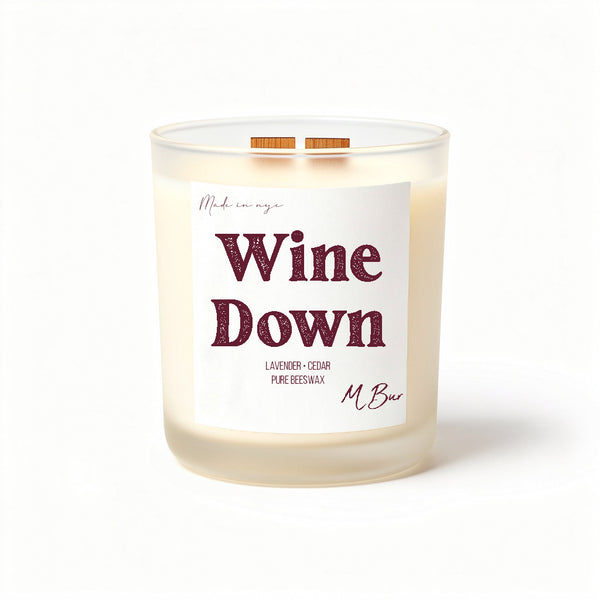
A smaller size so it does not overpower the room, and a scent that leans toward the relaxing end of the spectrum. The Wine Down candle with lavender, chamomile, sage, and rosemary was designed for exactly this situation.
Frequently Asked Questions
How long do beeswax candles actually burn compared to regular candles?
Beeswax has the highest melting point of any candle wax, which means it burns slower than paraffin or soy. A well made beeswax candle burns two to five times longer than a paraffin candle of the same size. MBur's 12oz beeswax candles are rated at 80 hours, which is the longest burn time available in any wax category. See our breakdown in how long beeswax candles actually last.
Is 100% beeswax actually important, or is a beeswax blend fine?
It matters quite a bit. A candle can legally be labeled a beeswax candle with as little as 51% beeswax in the US. The remainder is often paraffin, which reintroduces all the air quality issues you were trying to avoid. Always check for explicit "100% beeswax" language on the product page or packaging. Every MBur candle uses single ingredient beeswax wax with no blending.
Do beeswax candles smell like honey?
Unscented beeswax has a natural, subtle honey and nectar scent that most people find pleasant. It is not strong or sweet in a perfume sense, more like standing near a hive on a warm day. Scented beeswax candles will carry the fragrance profile you choose, with the natural beeswax base adding warmth underneath. The MBur candle collection uses phthalate free fragrance layered over 100% beeswax for this reason.
Are beeswax candles actually better for people with allergies or asthma?
Beeswax burns without the petrochemical byproducts that make paraffin a problem for sensitive airways. It is naturally hypoallergenic and produces minimal soot. The key additional variable is the fragrance: even a clean burning beeswax candle can cause issues if it uses toxic fragrance compounds. Look for phthalate free fragrance specifically. For more detail, read our post on hypoallergenic candles for fragrance sensitivity.
What size should I start with if I have never tried a beeswax candle before?
If you want to test a scent before committing to a large candle, start with a sample. MBur's candle samples are $5 each and cover the full scent lineup. If you already know what kind of experience you want (bedroom relaxation, workspace focus, living room fill), go directly to the 40 hour size at $23. It gives you enough burn time to really evaluate the candle without the full investment.
The Bottom Line
Beeswax is not a trend. It is the oldest candle material on the planet, and it burns better, lasts longer, and puts less garbage into your air than anything made from petroleum. The catch is that the label alone does not guarantee quality. You need 100% beeswax, phthalate free fragrance, no chemical dyes, and a clean wick. Every MBur candle checks all four boxes, made by hand in Queens, NY, with an 80 hour burn time on the largest size.
If you are ready to make the switch, the Room Service candle is the bestseller for a reason: rated 5 stars across dozens of reviews, scent that fills a full room, and a burn time that outlasts anything you will find at a mall. The 12oz size runs $65 and burns for 80 hours. Do the math on cost per hour and it is not even close.
"I cannot begin to express how amazing these candles are! With them offering a plethora of scents, being made of 100% beeswax, and only using non toxic fragrances, I cant recommend these enough. My go to candle shop hands down!!" ty wills, Sunday Reset Candle
Shop the full MBur beeswax candle collection and find your scent.
Related Posts
- Paraffin vs. Beeswax vs. Soy: Which Candle Wax Is Safest for Indoor Air Quality?
- Best Hypoallergenic Candles for Fragrance Sensitivity: What to Buy (and What to Ditch)
- How Long Do Beeswax Candles Actually Last? The Complete Burn Time Guide
What buyers say:

