

MBur vs Yankee Candle: What You're Actually Breathing
MBur vs Yankee Candle: What You're Actually Breathing
The candle aisle has a dirty secret, and it's literally hiding in the wax.
You probably know that Yankee Candle dominates the market. They're everywhere, affordably priced, and their scent throw is genuinely impressive. But here's what most people don't realize: not all impressive candles are created equal. What you breathe while a candle burns matters just as much as how good your room smells.
This isn't about gatekeeping luxury. It's about understanding what's actually in the products sitting on your nightstand, your kitchen counter, and the gifts you're sending to people you care about. We're going to break down the real differences between MBur's beeswax candles and Yankee's paraffin and soy blends, using actual data, not marketing language. Browse the full MBur beeswax collection if you want to see what we're comparing against.
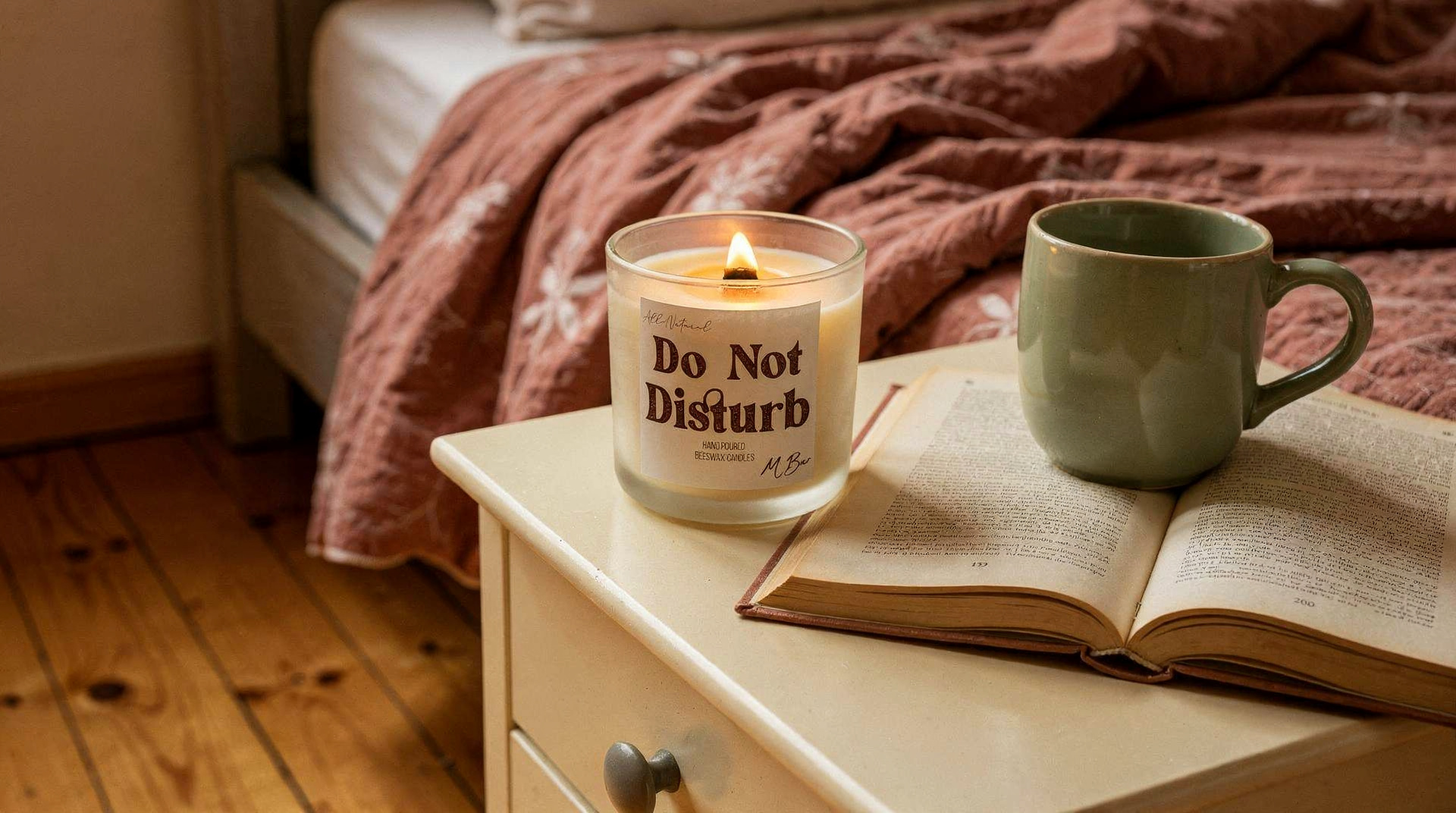
The Core Difference: What These Candles Are Actually Made Of
Yankee Candle uses a blend of paraffin wax and soy wax. Paraffin is a petroleum byproduct. When you heat it, it releases volatile organic compounds (VOCs) like benzene and toluene into your air. That's not marketing fear talking, that's chemistry. Studies published in the Journal of Environmental Science and Technology have documented these emissions from paraffin candles.
MBur candles are 100 percent beeswax. Single ingredient. No blending. No petroleum. Beeswax is a natural wax secreted by honeybees, and it's the same material humans have been burning for nearly five thousand years. When beeswax burns, it produces negative ions that actually help purify the air around it. Many users report that beeswax candles don't leave the same chemical residue or trigger headaches the way paraffin does.
Here's the practical reality: if you've ever lit a Yankee Candle and felt a slight headache coming on within thirty minutes, you're experiencing a reaction to the paraffin and synthetic fragrance blend. Beeswax burns cleaner. It's not magic. It's material science.
Burn Time and Price Per Hour: The Long Game
Yankee Candle's large jar (22 ounces) burns for approximately 110 hours and costs around $29.99. That works out to roughly $0.27 per hour of burn time.
MBur's largest candle, the 12 ounce size ($60), burns for 80 hours straight. That's $0.75 per hour. On the surface, Yankee looks cheaper. But hold on.
Beeswax has the highest melting point of any candle wax (around 147 degrees Fahrenheit compared to paraffin at 130 degrees and soy at 120 degrees). This means beeswax candles burn slower and more evenly. You get more usable fragrance hours from less wax. A single MBur 80 hour candle will scent a room more effectively and longer than you might expect from the numbers alone. Plus, beeswax doesn't produce soot, so you're not dealing with black residue on your ceiling and walls, which means your candles actually stay cleaner longer.
If you factor in replacement frequency and the cost of cleaning soot off your ceiling, the MBur investment starts to look more reasonable. But let's be honest: if price per hour is your only metric, Yankee wins. MBur is the premium choice, and premium costs more.
Scent Throw and Fragrance Quality
Yankee Candle's strength is their scent throw. Their candles absolutely fill a room. This is partly because they use synthetic fragrances in high concentrations, which are designed to project aggressively into your space. It works. Your whole house smells like Vanilla Cupcake or whatever scent you choose within ten minutes.
MBur uses phthalate free, non toxic fragrance oils. The scent throw is excellent but more nuanced. You get the full fragrance experience without the chemical harshness. And here's what matters: customers report that MBur scents don't trigger headaches or respiratory discomfort the way Yankee Candles often do.
One customer who switched from Bath and Body Works (which uses similar paraffin and synthetic fragrance blends to Yankee) reported: "I absolutely love these candles! I instantly notice the difference in the air quality, in comparison to the Bath and Body scented candles. I love Bath and Body's candles but I acknowledge that it caused a slight headache and other minor respiratory discomfort. Awesome products. Totally addicted."
The difference is the fragrance itself. Synthetic fragrances contain chemical compounds that can accumulate in your system with repeated exposure. Non toxic fragrances don't. After a week of burning MBur candles, you're not breathing in benzene. After a week of Yankee Candles, you're breathing it in daily.
Wick Quality and Burn Consistency
Yankee uses cotton wicks. They're fine. They work.
MBur uses wooden wicks. This is a meaningful difference. Wooden wicks create a slower, more complete burn because of how they interact with the high melting point of beeswax. They also make that soft crackling sound, which adds a sensory dimension Yankee candles don't offer. More importantly, the wooden wick prevents tunneling, which is when the candle burns down the middle and leaves wax on the sides. That wasted wax is money literally melting away. With MBur's wooden wicks and beeswax combination, you use almost the entire candle.
Ingredient Transparency
Yankee doesn't disclose the exact fragrance compounds in their candles. They list "fragrance" as a single ingredient, which is legal but doesn't tell you much. If you have chemical sensitivities, you're flying blind.
MBur lists fragrance components by note and discloses the full ingredients upfront. You know exactly what you're burning. This transparency matters if you have pets, kids, or sensitivities.
Comparison Table
| Category | MBur Beeswax | Yankee Candle |
|---|---|---|
| Wax Type | 100% Beeswax | Paraffin + Soy Blend |
| Largest Size | 12 oz (80 hours) | 22 oz (110 hours) |
| Price (Large) | $60 | $29.99 |
| Cost Per Hour | $0.75 | $0.27 |
| Wick Type | Wooden (crackling) | Cotton |
| Fragrance Type | Phthalate free, Non toxic | Synthetic (Undisclosed) |
| VOC Emissions | None | Benzene, Toluene, Formaldehyde |
| Soot Production | Minimal | Moderate to High |
| Burn Consistency | Even (no tunneling) | Variable (tunneling common) |
| Headache Risk | Low | Moderate to High |
Who Wins? It Depends on What You Value
If you care most about affordability and immediate scent throw, Yankee Candle wins. You get a heavily scented room for under thirty dollars.
If you care about what you're breathing, how long your candle actually lasts without wasting wax, and avoiding synthetic chemicals, MBur wins decisively. The 80 hour burn time on a Room Service candle (12 oz, $60) is genuine, your air stays clean, and you're not dealing with headaches or soot residue.
For most people trying to make a conscious choice without breaking the bank: the 20-hour size at $20 is the lowest-commitment way to test the difference. Once you smell the quality and experience how your body responds (or doesn't respond with a headache), the price difference becomes less about cost and more about value.
The Real Cost of Cheap Candles
If you're burning a paraffin candle every day for a year, you're breathing in benzene and toluene daily. These compounds accumulate in your system. They're classified as carcinogens by the EPA. That $0.27 per hour saving? It might cost you in other ways.
This is why we've seen so many customers switch from Bath and Body Works and Yankee to MBur. They're not just buying a candle. They're buying air quality. And once you've experienced the difference, the price premium makes sense.
FAQ
Does Yankee Candle actually release toxic chemicals?
Yes. Paraffin wax, which is the primary wax in most Yankee Candles, releases VOCs including benzene, toluene, and formaldehyde when heated. These are documented in peer reviewed studies. The amount released depends on burn time, ventilation, and fragrance concentration. If you burn a Yankee Candle in a well ventilated room for an hour or two occasionally, the exposure is minimal. If you burn one daily in a closed bedroom, the accumulation is significant.
Why does MBur cost so much more?
Beeswax is more expensive than paraffin. It's a natural product that requires beekeeping infrastructure. MBur also uses higher quality non toxic fragrances and wooden wicks, both of which increase cost. But you're also paying for a product that lasts longer, burns cleaner, and doesn't trigger headaches.
Will a MBur candle fill my room as quickly as Yankee?
MBur candles have excellent scent throw, but it's more gradual than Yankee's aggressive synthetic fragrance approach. If you need your room to smell like cinnamon in five minutes, Yankee is faster. If you want your room to smell good over the next three to four hours without chemical harshness, MBur wins.
Are there other good Yankee Candle alternatives?
There are several beeswax and soy only options on the market. The key is avoiding paraffin entirely. Look for 100% beeswax or 100% soy candles, wooden or pure cotton wicks, and phthalate free fragrances.
Can I use a MBur candle in a small space?
Absolutely. The scent throw is strong enough for bedrooms and bathrooms. Because it's not synthetic fragrance overwhelming your senses, it feels more natural and pleasant in smaller spaces. Many customers burn them in bedrooms specifically because they don't get headaches like they do with Yankee Candles.
The Final Verdict
Yankee Candle is a solid choice if you want affordable, heavily scented candles and don't mind the synthetic fragrance profile. They've built an empire on accessibility and scent strength.
MBur is the choice if you're aware that what you breathe matters, if you've experienced headaches from paraffin candles, or if you're willing to invest in a product that actually delivers on burn time and air quality. Beeswax burns differently than paraffin. Your body knows the difference.
If you're on the fence, start with the Wine Down candle or Room Service candle in the 20-hour size ($20). Burn it for a few evenings. Pay attention to how you feel. That's the honest test.
Shop the full MBur beeswax collection
Related reading: