

How to Remove the Smell of Kimchi from Your Home (Without Just Masking It)
The kimchi smell that follows you around the kitchen is not clinging to the counter. It is sitting inside the soft rubber and plastic your kimchi touches. That gasket on the jar lid. The old takeout container you reused. Those parts soak up the odor and hold it.
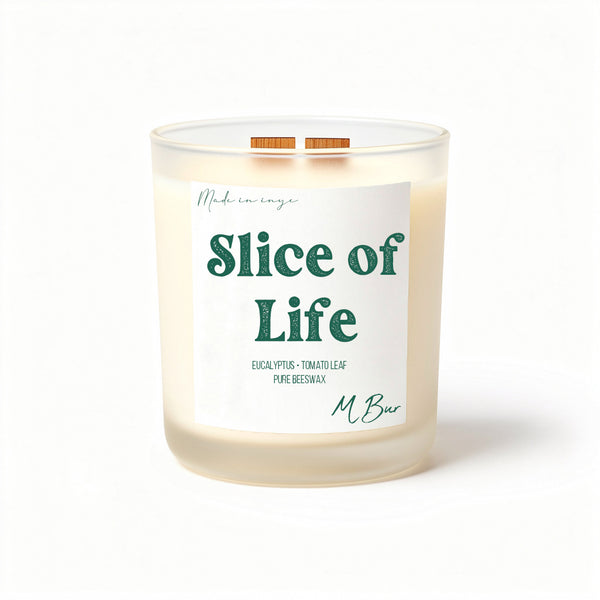
Here is why that matters. Kimchi gives off sulfur compounds from garlic and onion, plus a mix of gases from fermentation and fish sauce. Those molecules are oil-loving, so they sink into anything porous and stay put. Scrubbing the surface you can see does almost nothing. If you want a fresh room after the source is handled, a clean-burning candle like our Slice of Life beeswax candle keeps the air smelling green and bright instead of layering perfume over the funk.
Why the smell wins the first round
Fermentation is a living process. The cabbage, garlic, and ginger keep working long after the jar is sealed. That creates gas and pressure inside the container.
Those gases do not politely stay inside cheap plastic. They seep through the walls slowly. So even a sealed jar can perfume a whole shelf.
Non-porous stuff like glass or glazed ceramic gives up the smell with one good wash. Porous stuff does not. Silicone rings, rubber seals, and soft plastic pull those oil-soluble compounds deep into the material.
That is the part most people miss. You can wash the same container ten times. The gasket underneath the lid is still holding a year of garlic.

The fixes that only look like they work
Baking soda and used coffee grounds get passed around like magic. They do help, a little. They grab loose smell molecules out of the air.
But they do not break sulfur bonds apart. When the humidity in your fridge shifts, some of that trapped odor releases right back out. So the box of baking soda buys you a truce, not a win.
Boiling citrus peels or cinnamon has the same flaw. It lays a nice scent on top of the bad one. The kimchi VOCs are still there underneath, untouched.
Hot water alone gets the same treatment from me. It rinses the surface, but it cannot pull oil-soluble sulfur out of soft plastic. For that you need a real neutralizer or a new part.
So the order of operations matters. Fix the source first. Then, and only then, does freshening the room actually stick.
Start with the containers, because that is where the smell lives
Wash the container well with warm water and a neutral dish soap. That clears the easy surface layer.
Then pick one of the tricks Korean households have used for years. Fill the container with a sugar-water mix at a 1 to 3 ratio and let it sit. Or fill it with rice water and leave it about 30 minutes.
My favorite is the green-leaf method. Pack the container with finely chopped green leafy vegetables, seal it, and leave it for a day. The chlorophyll pulls organic odors out of the plastic.
Fresh apple peels work too. Drop them inside, close the lid, and wait a day or two. The natural plant acids soak up what is left.
One warning. Skip the dishwasher, the microwave, and boiling water for specialty kimchi containers and their gaskets. High heat warps the plastic and wrecks the airtight seal, which makes the smell problem worse.
When to stop cleaning and just replace the part
Some gaskets are past saving. If a rubber ring or silicone seal has been trapping sulfur oils for a year, it will smell no matter what you do.
Replacing that one soft part is cheaper than fighting it forever. It also restores the tight seal that keeps future smells contained.
"I love these candles. No headache or feeling nauseous like the Bath & Body candles with all the extra chemicals. In addition, I love the package and how carefully everything was wrapped." Jason H.
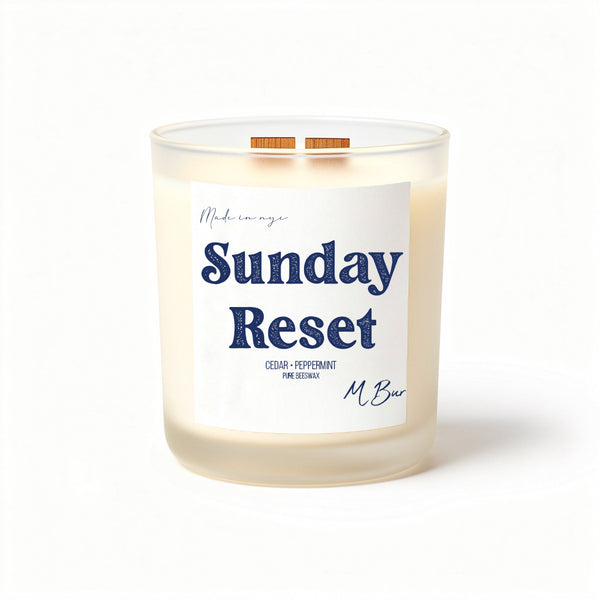
That headache point is real for a lot of people. Once your kitchen air is finally clean, you do not want to trade one problem for another by burning something full of paraffin soot. This is where a candle you can actually breathe around earns its spot, and our Sunday Reset beeswax candle brings a cold peppermint and eucalyptus lift that reads as clean, not floral.

Clearing the fridge and the room air
Give the fridge interior a deep clean with a baking soda and hot water solution. Wipe every shelf and wall.
Then wipe surfaces with equal parts white vinegar and water. Vinegar helps break down the organic acid compounds behind heavy food smells. The USDA and university extension guides back plain cleaning and airing out as the core fix for a stubborn fridge. You can read the Penn State Extension guide on fridge and freezer odors for the full method.
For the room air itself, HEPA filters miss kitchen VOCs. If you run an air purifier, it needs a real activated charcoal layer to strip fermented food smells.
After the source is gone, the last step is putting a good smell back. That is the job a clean candle does well.
Why the candle matters for a kitchen
A lot of candles just bury one smell under another. That is fine for a minute, then both come back.
Pure beeswax burns clean. No paraffin, so no oily soot settling on your counters. No heavy toxic fragrance loading the air. It keeps a room fresh instead of masking it.
MBur candles are 100% beeswax, single ingredient, with wooden wicks and phthalate-free fragrance. They are handmade in New York City and hold an 80-hour burn in the largest size. For a kitchen after cooking, that clean burn is the whole point. Browse the full beeswax candle collection to match a scent to your space.
Frequently asked questions
How do I get the kimchi smell out of plastic storage containers?
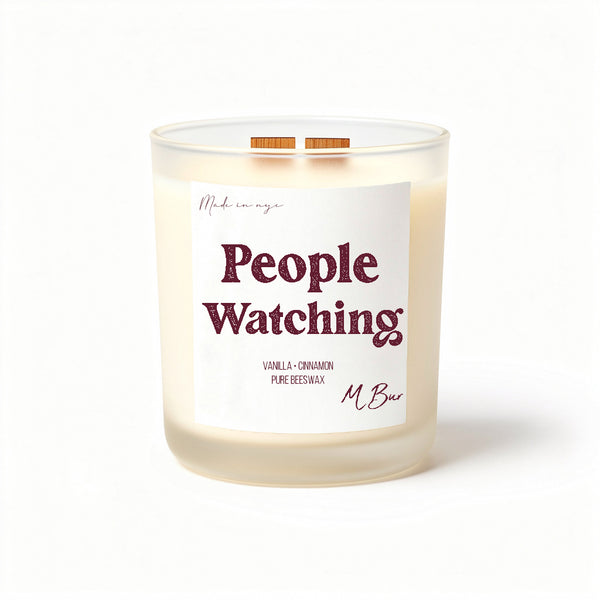
Wash the container well, then put fresh apple peels inside and seal the lid for 1 to 2 days. The plant acids pull the odor out. For a warm-scented reset afterward, our People Watching beeswax candle layers orange and baking spice over a clean kitchen.
What is the best way to remove lingering kimchi odor from a refrigerator?
Deep clean the inside with baking soda and hot water. Then leave an open container of baking soda or fresh coffee grounds in there to catch what is left. Keep the kitchen air fresh once it is aired out with a clean burn from the MBur candle collection.
Can vinegar help neutralize pungent fermented food smells?
Yes. Wipe surfaces with equal parts white vinegar and water. It helps break down the organic acid compounds behind heavy food odors. Pair that with the crisp, minty Slice of Life beeswax candle once the surfaces are clean.
How can I store kimchi without the smell leaking into my whole house?
Use airtight containers with intact rubber gaskets, or double-bag the kimchi tightly inside zip-top bags. This cuts down how much gas escapes into open air.
Why does kimchi smell so strong even when it is sealed?
Active fermentation keeps making gas and sulfur compounds from garlic, ginger, and cabbage. Those molecules slowly work their way through standard plastic walls.
The takeaway
Kimchi odor lives in porous parts, so fix the containers and replace worn gaskets before you do anything else. Deep clean the fridge, wipe with vinegar, then put a clean smell back into the room. A single-ingredient beeswax candle keeps a kitchen fresh without soot or heavy perfume.
For a kitchen reset, the Slice of Life beeswax candle starts at $32 for the 40-hour size and runs to $65 for the 80-hour size. Customers keep coming back for the clean burn, like Jason H., who said these candles give him "no headache or feeling nauseous like the Bath & Body candles." Once your source smell is handled, light one and let your kitchen actually smell like your kitchen again.
Related reading

