

How to Remove the Smell of Boiled Cabbage from Your Home
Boiled cabbage leaves behind a rotten-egg smell that clings to your kitchen for hours. It gets into curtains, coats the walls, and greets you again the next morning. You can crack a window and it still lingers. Most people reach for an air freshener and end up with a room that smells like clean laundry fighting a sulfur cloud.
The reason the smell wins is simple. You are covering it, not removing it. The good news: once you understand what is actually floating in the air, you can break it down at the source and then keep the room fresh with something that burns clean, like a pure beeswax candle that adds no paraffin soot or heavy fragrance load of its own.

Throwing open a window is the easy part. It is not the part that fails you.
Here is the honest reason a window alone does not fix it. The smell is a gas. It spreads fast and settles into soft surfaces. Airing out helps, but the gas keeps releasing from the pot while you cook. So you vent one wave and another rolls in behind it.
To beat cabbage smell, you have to slow it down at the pot and neutralize what escapes. That means understanding one thing first: why cabbage does this at all.
The chemistry doing the damage in your pot
Cabbage belongs to the brassica family. So do broccoli and Brussels sprouts. These vegetables carry sulfur compounds called glucosinolates.
When you apply heat, those compounds break down. They turn into hydrogen sulfide and other volatile sulfur gases. That is the rotten-egg note you smell.
The longer cabbage cooks, the more of these gases release. A quick steam gives off far less than an all-day simmer. This is why a slow cooker full of cabbage will stink up a whole house.
Two food-science writers break down this reaction well. You can read the chemistry at the San Antonio Express-News and get practical brassica tips from Disabled World.

Stop the smell before it starts
The best odor fix happens in the pot. Cut the sulfur at the source and you cut the cleanup by half.
Cook cabbage for the shortest time you can. Quick-steam it in an open pan instead of boiling it for an hour. Less time means less gas.
Add a little acid to the water. About 1 teaspoon of white vinegar or 1 tablespoon of lemon juice helps neutralize the sulfur as it forms. Do not overdo it. Too much vinegar turns the cabbage sharp and sour.
Skip aluminum pots. Aluminum reacts with the sulfur and makes the smell worse. Use stainless steel instead.
Leave the lid off, or vent it. A tightly sealed pot traps concentrated gas that hits you all at once when you lift the cover.

Clear the air that already went bad
Say the smell already got out. Now you neutralize what is floating around.
Simmer a cup of white vinegar in a saucepan on the stove. The acidic vapor grabs airborne sulfur gases and clears them. Let it go until the vinegar evaporates.
You can also set out a bowl with about an inch of white vinegar overnight. It absorbs lingering odor while you sleep. Halved potatoes or vinegar-soaked bread near the pot work the same way, pulling in the smelly steam.
Skip the masking spray. A standard air freshener just layers a new scent on top of the sulfur. You end up with a strange mix instead of a clean room.
Where a clean candle actually helps
Once the source is dealt with, this is the moment to freshen the room. The trick is choosing a candle that does not add its own problem to the air.
Paraffin candles are petroleum based. They throw soot and can carry heavy fragrance loads that fight with kitchen odors instead of settling them. Beeswax burns clean, with no paraffin soot.
For a kitchen, a bright, food-friendly scent works best. Our Slice of Life beeswax candle leans crisp and green, with notes of Spearmint, Eucalyptus, Tomato Leaf, Anise, and Mint. That cool, snapped-stem freshness suits a room where you just cooked. The 40-hour size runs $32, and the 80-hour size is $65.
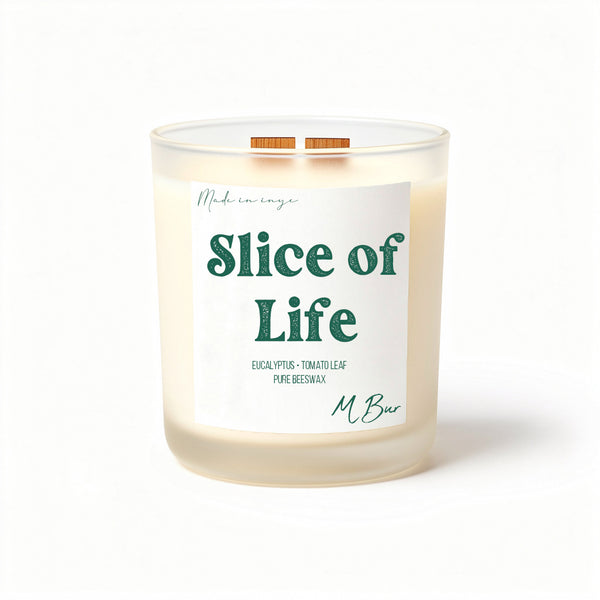
The point is to keep the space smelling fresh after you have fixed the smell at its root. A clean-burning candle carries a light, honest scent instead of a chemical curtain.
"I love these candles. No headache or feeling nauseous like the Bath & Body candles with all the extra chemicals. In addition, I love the package and how carefully everything was wrapped." Jason H.
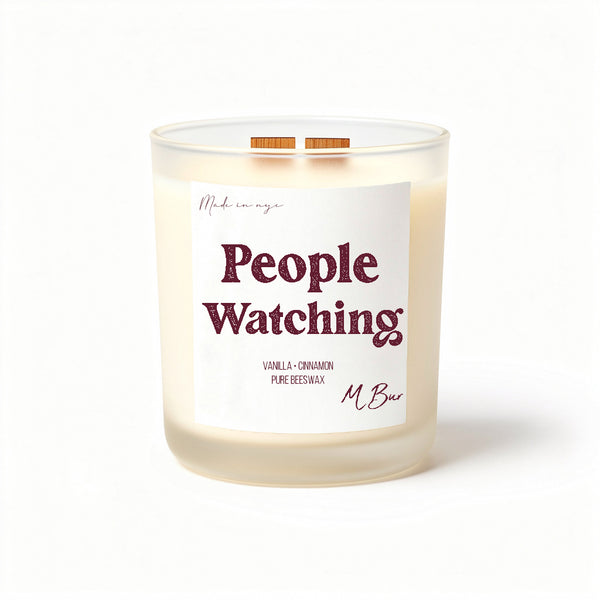
If you want a warmer, bakery-style note for the kitchen instead, our People Watching beeswax candle carries Lemon, Orange, Vanilla, Cinnamon, Clove, Nutmeg, and Allspice. It smells like citrus zest over a cake just out of the oven. Same 40-hour size at $32.
But mine boils cabbage every week. Does the smell build up?
If you cook brassicas often, the odor can settle into fabric and stay. Wash curtains and towels that hang near the stove. Wipe down hard surfaces, since sulfur residue can cling.
Do the source steps every time and the buildup never gets a foothold. Short cook time, a splash of acid, an open vent, and a clean candle after. That routine keeps a cabbage-heavy kitchen fresh instead of stale.
FAQ
Why does boiled cabbage smell so bad?
Cabbage contains sulfur compounds called glucosinolates. Heat breaks them down into hydrogen sulfide gas, which smells like rotten eggs. Once you clear the source, a clean-burning option from our beeswax candle collection keeps the room fresh without adding soot.
How long does the smell of boiled cabbage linger in a house?
It depends on ventilation. With poor airflow, the sulfur odor can stick around from a few hours to a full day. Good venting and a neutralizing agent cut that down fast, and a light scent like our Slice of Life candle helps the room feel clean after.
Does adding vinegar to the pot reduce the cabbage odor?
Yes. A splash of white vinegar or lemon juice in the cooking water neutralizes a good share of the volatile sulfur gases. Use about 1 teaspoon of vinegar so you do not make the cabbage taste sharp.
Why does aluminum cookware make the cabbage smell worse?
Aluminum reacts chemically with the sulfur compounds in cabbage. That reaction amplifies the rotten-egg smell. Stainless steel does not do this, so use it instead.
What is the fastest way to clear the smell from the air?
Simmer a cup of white vinegar in a saucepan on the stove. The acidic vapor grabs and clears the airborne sulfur quickly. Once the air is clean, light a People Watching candle for a fresh finish.
The takeaway
Cabbage smell wins when you only mask it. Cut the sulfur at the pot with short cook time and a little acid, then neutralize the air with simmering vinegar. Finish with a clean-burning candle so the room stays fresh instead of covered.
For that final step, the Slice of Life beeswax candle is the pick for a just-cooked kitchen, crisp and green and easy on the air. Customers keep telling us these candles fill a room without the headache other brands give them. Light one after your next batch of cabbage and see how fast the space resets.

