

Crackling Wooden Wicks: The Science Behind MBur's Signature Sound
Crackling Wooden Wick Candles: The Science Behind MBur's Signature Sound
You light the candle. You wait a few seconds. And then it starts: that soft, rhythmic crackle that sounds like a tiny fireplace decided to live on your coffee table. If you have ever burned one of our candles and found yourself sitting there a little too long just listening to it, you are not alone. That sound is doing something to your brain. Literally.
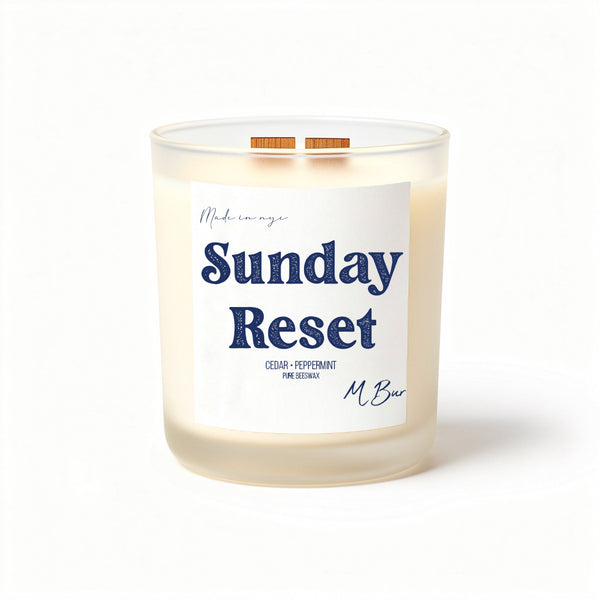
This post is for everyone who has ever wondered what is actually happening when a wooden wick burns, why it sounds the way it does, and why we chose wooden wicks over everything else when we were building MBur Candle Co. from the ground up in Queens, NY. By the end, you will understand exactly what makes that crackle happen, what it means for your burn experience, and why it is not just a nice detail. It is a design decision.
First: Why Do Wooden Wicks Crackle at All?
The short answer is moisture. The longer answer is a lot more interesting.
Wood, even when it has been milled and processed for candle use, retains trace amounts of moisture inside its cellular structure. When you light a wooden wick, the flame heats those moisture pockets until they vaporize rapidly. That rapid vaporization creates tiny pressure bursts as the steam escapes the wood fibers. Those pressure bursts are the crackle.
It is the same physical process that happens when you throw a log on a fire. The wood pops and snaps because water inside the fibers is turning to steam faster than it can exit the material. With a candle wick, the scale is smaller and the sound is gentler, but the chemistry is identical.
The result is a sound that is not random. It is rhythmic. It pulses with the burn. And because wooden wicks are flat and wide rather than twisted and cylindrical like cotton wicks, they draw wax differently, which affects both the sound and the quality of the flame.
Cotton Wick vs. Wooden Wick: What Is Actually Different
Cotton wicks work by capillary action. Liquid wax travels up the twisted fibers and feeds the flame continuously. The burn is steady and quiet, which is fine, but there is no event happening. It is just fuel and flame.
Wooden wicks operate on a different principle. Because the wick is a flat, rigid strip rather than a bundle of twisted fibers, it draws wax laterally across a wider surface area. This creates a broader, lower flame that looks more like a campfire than a candle. The lateral draw also means the wax pool melts more evenly across the diameter of the candle, which is a practical benefit we will get to in a moment.
The flat shape also changes the way the wick interacts with the wax below it. Instead of a single concentrated heat point, you get a distributed heat source that encourages a full melt pool to develop without tunneling. If you have ever burned a cotton wick candle down to a waxy crater surrounded by untouched wax on the sides, you know exactly what tunneling looks like. Wooden wicks largely prevent that.
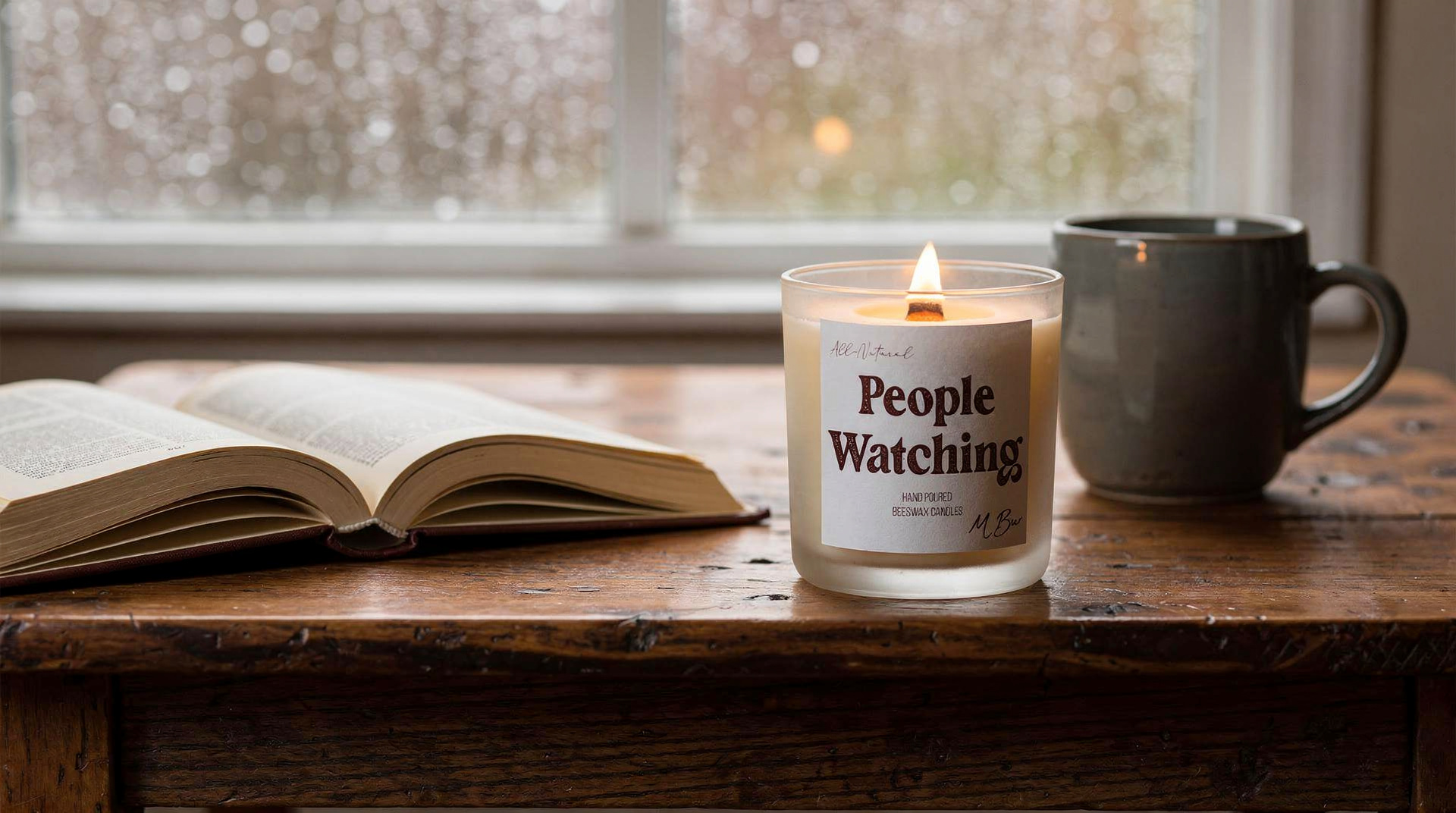
The Psychology of the Crackle
Here is where it gets genuinely interesting.
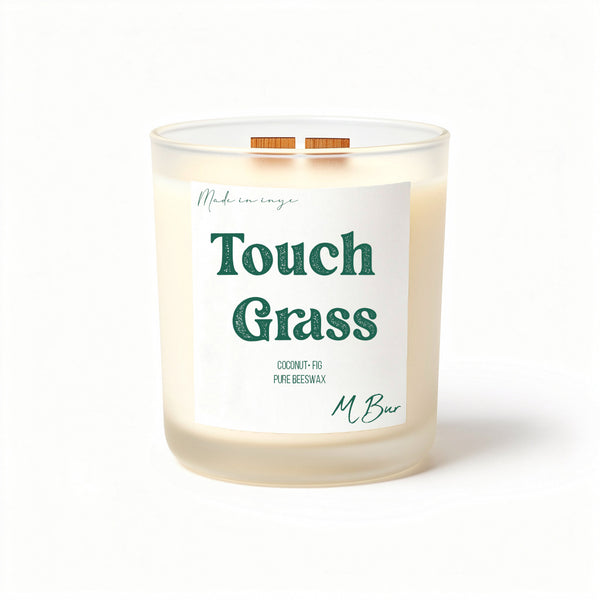
Research in environmental psychology has documented that the sounds of nature, including fire, rain, and moving water, activate the parasympathetic nervous system. This is the part of your nervous system responsible for rest and recovery. The crackle of a fire is not just pleasant. It is a sensory cue that tells your body it is safe, warm, and okay to stop being alert.
This is why so many people report that wooden wick candles feel more relaxing than regular candles. It is not entirely about the scent. The sound is pulling weight too. You are getting a multi sensory experience: flickering light, fragrance, warmth, and an ambient sound that your nervous system associates with comfort at a very primitive level.
It is also why ASMR videos of crackling fires have hundreds of millions of views. People are self prescribing a nervous system reset, and the crackle is the mechanism.
Why We Chose Wooden Wicks for Every Single Candle
When we were figuring out what MBur candles were going to be, the wick question was not minor. It is one of the most consequential decisions in candle design because the wick affects the burn rate, the melt pool, the scent throw, and the safety of the candle.
We chose wooden wicks for four reasons that compound each other.
1. They Work Better with Beeswax
Beeswax has the highest melting point of any candle wax. That is part of why our candles burn up to 80 hours on the 12oz size. But that higher melting point also means you need a wick that can sustain enough heat to keep a full melt pool going without overheating and producing excess soot.
Cotton wicks, especially in beeswax candles, often struggle to maintain a consistent melt pool. They tend to produce a narrower burn that leads to tunneling, or they are made larger to compensate and then produce too much carbon buildup. Wooden wicks are naturally well matched to high melting point waxes because their lateral flame distribution provides the right amount of heat across a wider radius.
If you want to explore how our 80 hour burn time actually works, we break it down in detail in our post on how long beeswax candles actually last.
2. They Burn Cleaner
Wooden wicks produce significantly less soot than cotton wicks. This matters more than most people realize. Candle soot is ultrafine particulate matter, and in an enclosed space, it accumulates on walls, furniture, and in your lungs over time. We are already committed to 100% pure beeswax with no paraffin and no chemical dyes, so using a wick that adds unnecessary particulate to the air would undercut everything else we are doing.
Clean burn is not just a marketing phrase for us. It is a design constraint that every material decision is measured against.
3. They Complement the Scent Experience
The wider melt pool created by a wooden wick means more wax surface area is liquefied at any given moment. More liquid wax means more fragrance is being released into the air. This is part of why people consistently say our candles fill a room in a way that smaller or cheaper candles do not.
"This scent has me in a chokehold. I burn it in my room and my living room and it fills my space SOOOOO nicely. There's nothing I hate more than a candle that can't fill the room and baby this is NOT that. This candle permeates every corner of the room. Cant say enough about how impressed I am with this company."
Tiffany Gordon, Retail Therapy candle
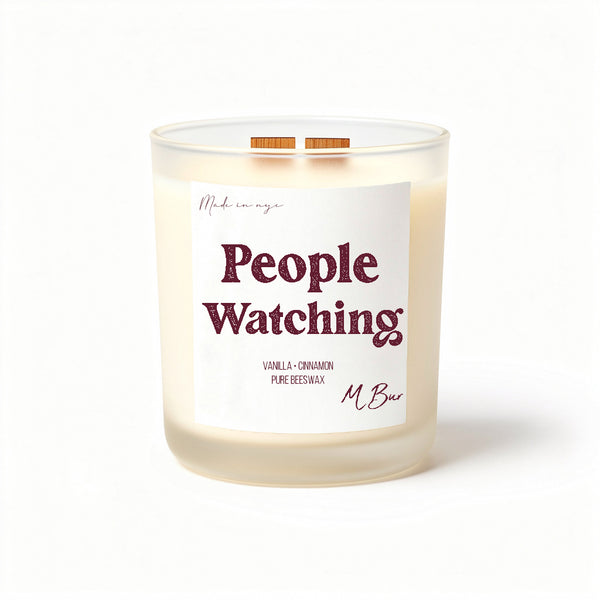
Tiffany is describing what happens when good wax, a good wick, and a good fragrance are all doing their jobs at the same time. The wooden wick is not the only reason the scent throws so well, but it is a significant contributor.
4. The Sound Is Part of the Product
We are not going to pretend the crackle is a happy accident. It is a feature. When we were building the brand, we wanted candles that created an experience rather than just a smell. The crackle is ambient. It fills a room with something that a silent candle cannot provide. It is sensory design, and it works.
"I love the sounds it makes as it burns too, it's a nice crackling sound which makes me feel cozy on winter nights. Great customer service too, will keep ordering!"
Alexa, Do Not Disturb candle
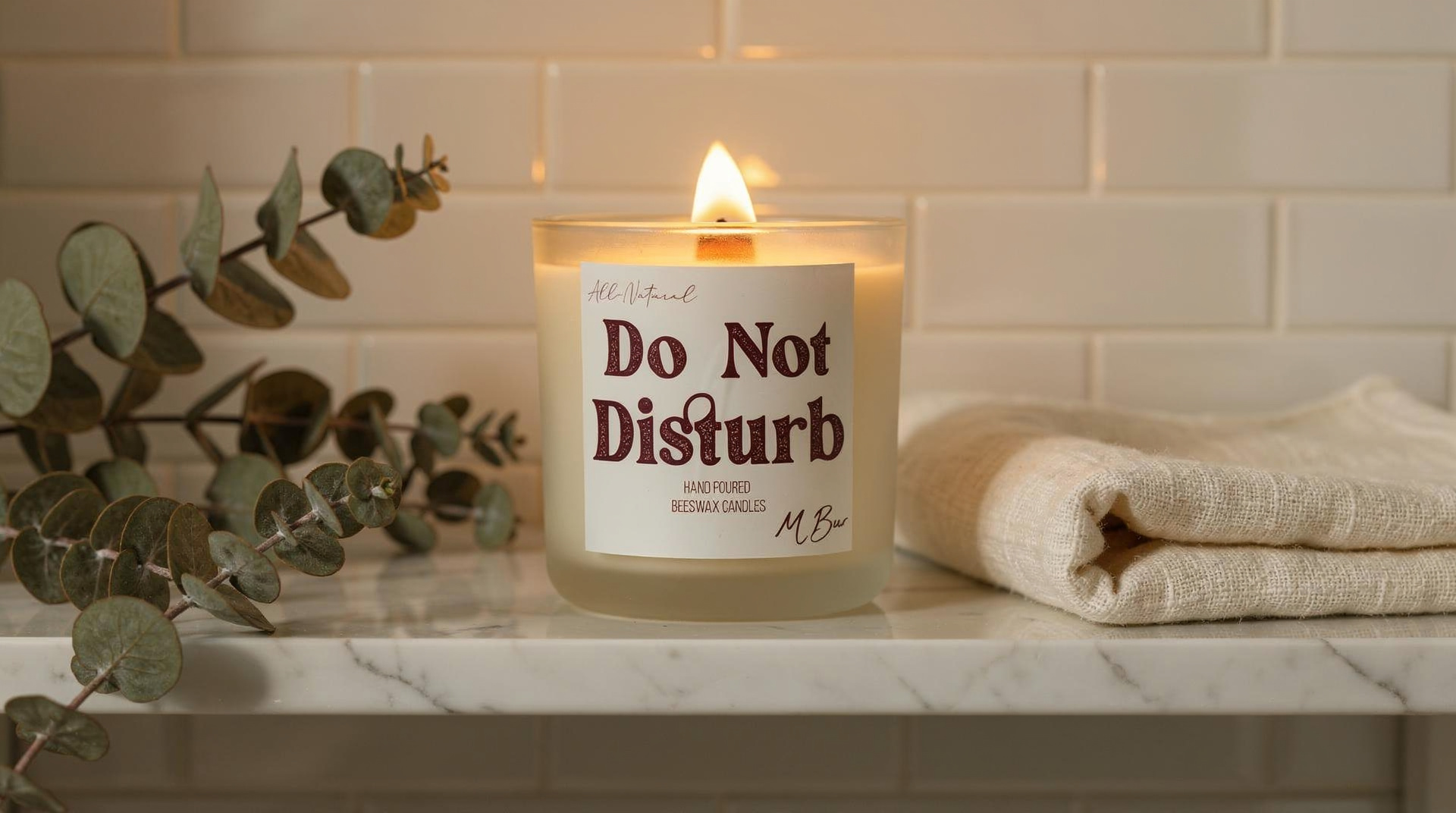
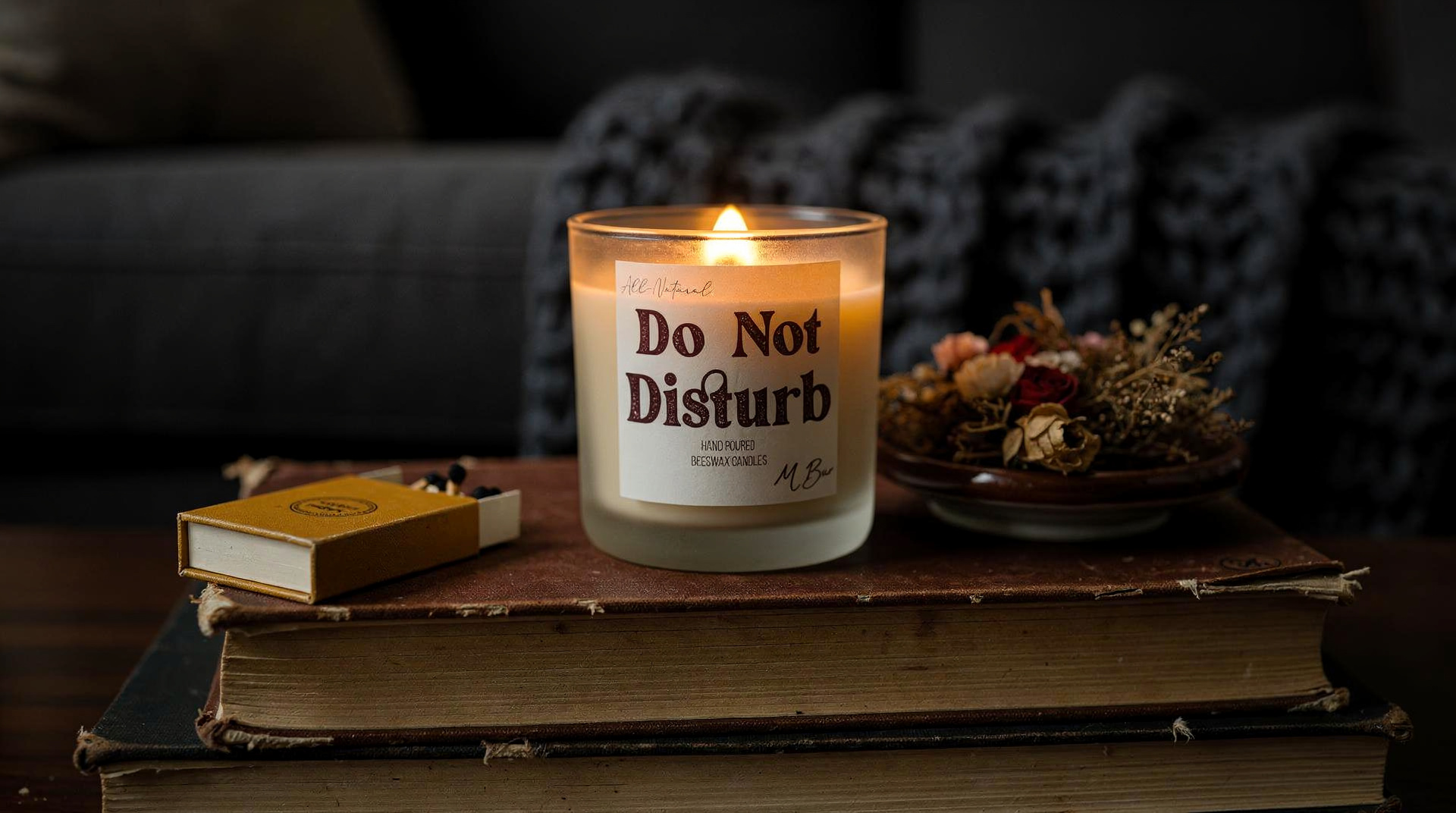
If you have not yet tried our Do Not Disturb beeswax candle, that is the one most people reach for when they want the full wooden wick crackle experience in a bedroom or reading nook. The scent is designed for nighttime: soft, fresh, and not heavy enough to overpower a small space.
How to Get the Best Crackle from Your Wooden Wick Candle
The crackle is moisture dependent. If the wick is too long, the flame climbs above the wax surface and the crackle diminishes. If the wick is too short, it may not sustain a consistent burn. Here is the short version of how to keep it sounding good.
Trim the Wick Before Every Burn
Wooden wicks should be kept between 1/8 and 3/16 of an inch. Snap off any charred wood at the top before lighting. You can do this with your fingers once the candle is cool, or use a wick trimmer. The charred portion does not conduct heat or moisture the same way fresh wood does, so leaving it on muffles the crackle and produces more carbon.
Let the First Burn Run Long Enough
The first time you light a new candle, let it burn until the melt pool reaches the edge of the jar. This usually takes two to three hours depending on the size. This prevents tunneling and sets the candle up for even burns going forward. A tunneled candle is not just wasteful. It also affects how the wick sits relative to the wax surface, which changes the burn dynamics.
Burn in a Low Draft Environment
Wind and air conditioning drafts cause the flame to flicker unevenly, which can drown the wick in wax. Wooden wicks are more sensitive to drafts than cotton wicks because the flame sits lower and wider. Burn in a room with stable airflow for the best crackle and the most even melt.
FAQ: Crackling Wooden Wick Candles
Why is my wooden wick not crackling?
Usually this comes down to one of two things: the wick is too long and has excess char on top, or the candle is in a drafty spot. Trim off any blackened wood at the tip before your next burn and move the candle somewhere with still air. The crackle should come back within a few minutes of lighting.
Is the crackling sound safe?
Yes. The sound is caused by moisture vaporizing inside the wood fibers. It is the same process as a fireplace, just at a much smaller scale. There is no structural issue with the candle and no chemical reaction producing the sound. It is purely physical.
Do all wooden wick candles crackle the same way?
No. The intensity of the crackle depends on the wood species, the density of the wick, the moisture content, and the wax being used. Our candles use 100% beeswax, which interacts with the wooden wick differently than paraffin or soy. The result tends to be a more consistent, sustained crackle rather than occasional pops.
How long do wooden wick candles actually last?
Our beeswax candles range from 20 hours on the 2.5oz size up to 80 hours on the 12oz size. Beeswax burns slower than any other candle wax because it has the highest melting point, which is why the burn times are significantly longer than comparable paraffin or soy candles. You can read the full breakdown in our guide on beeswax candle burn times.
Why do some wooden wick candles go out on their own?
This almost always happens when the wick has not been trimmed and the charred tip falls into the melt pool, cutting off the oxygen supply to the flame. Trim before every burn, and if the candle goes out mid session, let the wax solidify, remove any debris, trim the wick, and relight. We also wrote a full troubleshooting guide if you want the complete breakdown: why your wooden wick candle keeps going out.
The MBur Approach: Every Detail Is Intentional
Wooden wicks are not a trend we jumped on. They are a core part of what makes our candles perform the way they do. The crackle is real, the clean burn is real, and the connection between those two things and the 100% beeswax we pour everything into is not accidental.
We built this from scratch in Far Rockaway, Queens, and every decision from the wax to the wick to the fragrance has been made with a clear standard: it has to be better than what you can get anywhere else. Read more about how and why we started in our story of building MBur Candle Co. in New York City.
If you want to hear the crackle for yourself before committing to a full size candle, our candle sample collection lets you try any scent for $5. Every sample is the same beeswax, the same wooden wick, and the same non toxic fragrance as the full size version. Same experience, smaller commitment.
"I cannot begin to express how amazing these candles are! All of a sudden I think I'm a candle connoisseur, telling my friends that they need to trim their wicks for a better burn. With them offering a plethora of scents, being made of 100% beeswax, and only using non toxic fragrances, I cant recommend these enough. My go to candle shop hands down!!"
ty wills, MBur Candle Co.
Try a sample. Hear the difference. Then you can decide.
Shop the $5 candle samples and find your scent.
What buyers say:
Browse the full collection of 100% beeswax candles.
Related Reading:

