

Candles for Asthma Sufferers: The Only Buying Guide You Actually Need
Candles for Asthma Sufferers: The Only Buying Guide You Actually Need
You light a candle. Twenty minutes later your chest tightens, your eyes water, and you spend the next hour wondering why you even bother. Sound familiar?
If you have asthma, the candle aisle can feel like a minefield. Most candles on the market are made from paraffin wax, loaded with toxic fragrance, and finished with wicks that release trace metals into the air. For someone with healthy lungs, that is annoying. For someone with asthma, it can trigger a full blown attack.
The good news: not all candles are built the same. There is a whole category of clean burning candles that asthma sufferers can actually enjoy without the consequences. This guide breaks down exactly what to avoid, what to look for, and which specific products are worth your money.
By the end, you will know precisely how to shop for a candle that fills your room with scent instead of irritants. If you want to skip ahead to the solution, our full collection of 100% beeswax candles is made with phthalate-free fragrance and zero paraffin. We also have a deeper dive on the best beeswax candles for allergy sufferers if allergies are also part of your picture.
First, Your Concern Is Valid
Before we get into buying criteria, let us acknowledge something directly. If candles have triggered your asthma symptoms in the past, that is not a coincidence or a sensitivity quirk. There is real science behind it.
A study published in the journal Environmental Health Perspectives confirmed that paraffin candles release volatile organic compounds including benzene, toluene, and formaldehyde when burned. The American Lung Association has specifically flagged VOC exposure as a known asthma trigger. The Cleveland Clinic notes that scented products, including candles, are among the most common household irritants for people with respiratory sensitivities.
What that means practically: if the candles you have been burning are paraffin based with toxic fragrance, your lungs are not being dramatic. They are responding exactly the way lungs should respond to petroleum combustion byproducts.
The problem is not candles as a category. The problem is specific ingredients. And once you know which ones to filter out, buying candles as an asthma sufferer becomes a lot more straightforward.
The Ingredients That Are Actually Triggering Your Asthma
Most candle brands do not put bad ingredients in their candles out of malice. They do it because paraffin is cheap, toxic fragrance is cheap, and most consumers do not know to ask for anything different. Here is a breakdown of the specific culprits.
Paraffin Wax
Paraffin is petroleum waste, full stop. It is a byproduct of crude oil refining, and when it burns, it releases toluene and benzene, both of which are classified as carcinogens by the EPA. For someone with asthma, burning paraffin regularly is essentially asking your lungs to process low level petroleum fumes in a closed room.
The majority of mass market candles, including many popular department store brands, are paraffin based. The label will not always say paraffin. Sometimes it just says "wax blend" or lists nothing at all.
Toxic Fragrance
This one is sneaky. The word "fragrance" on a label is legally allowed to represent a blend of hundreds of undisclosed chemicals, many of which include phthalates. Phthalates are endocrine disruptors that have also been linked to respiratory inflammation.
Even candles that are marketed as "natural" or "clean" can still contain toxic fragrance if the brand has not specifically committed to phthalate free formulations. Always check. If the label just says "fragrance" with no additional transparency, that is a red flag.
Metal Core Wicks
Older candles and many imported products use cotton wicks with a metal core, sometimes zinc, sometimes lead, to keep the wick upright during the pour. When burned, those metals vaporize into the air. Lead core wicks were banned in the US in 2003, but zinc core wicks are still legal and still used. Neither is something you want to inhale when your airways are already reactive.
Chemical Dyes
That beautiful jewel toned wax? The color comes from chemical dyes that also volatilize during combustion. They are not regulated, they are not disclosed, and they contribute to the overall chemical load in your air. For asthma sufferers specifically, less chemical input means less respiratory output.
What to Look For Instead
Here is the other side of the equation. These are the ingredients and features that make a candle genuinely safer for asthmatic lungs.
100% Beeswax
Beeswax is the oldest candle material in human history, used continuously since approximately 3000 BCE. It is not processed with chemicals, it is not a petroleum byproduct, and it produces minimal soot. Some studies suggest beeswax burning may release negative ions that bind with airborne particles like dust, pollen, and dander, potentially reducing the allergen load in a room. Many users report cleaner feeling air after burning beeswax, though individual results vary.
If you are dealing with both asthma and seasonal allergies, this overlap matters. Our full guide on the best candles to burn for allergies goes deeper on this connection.
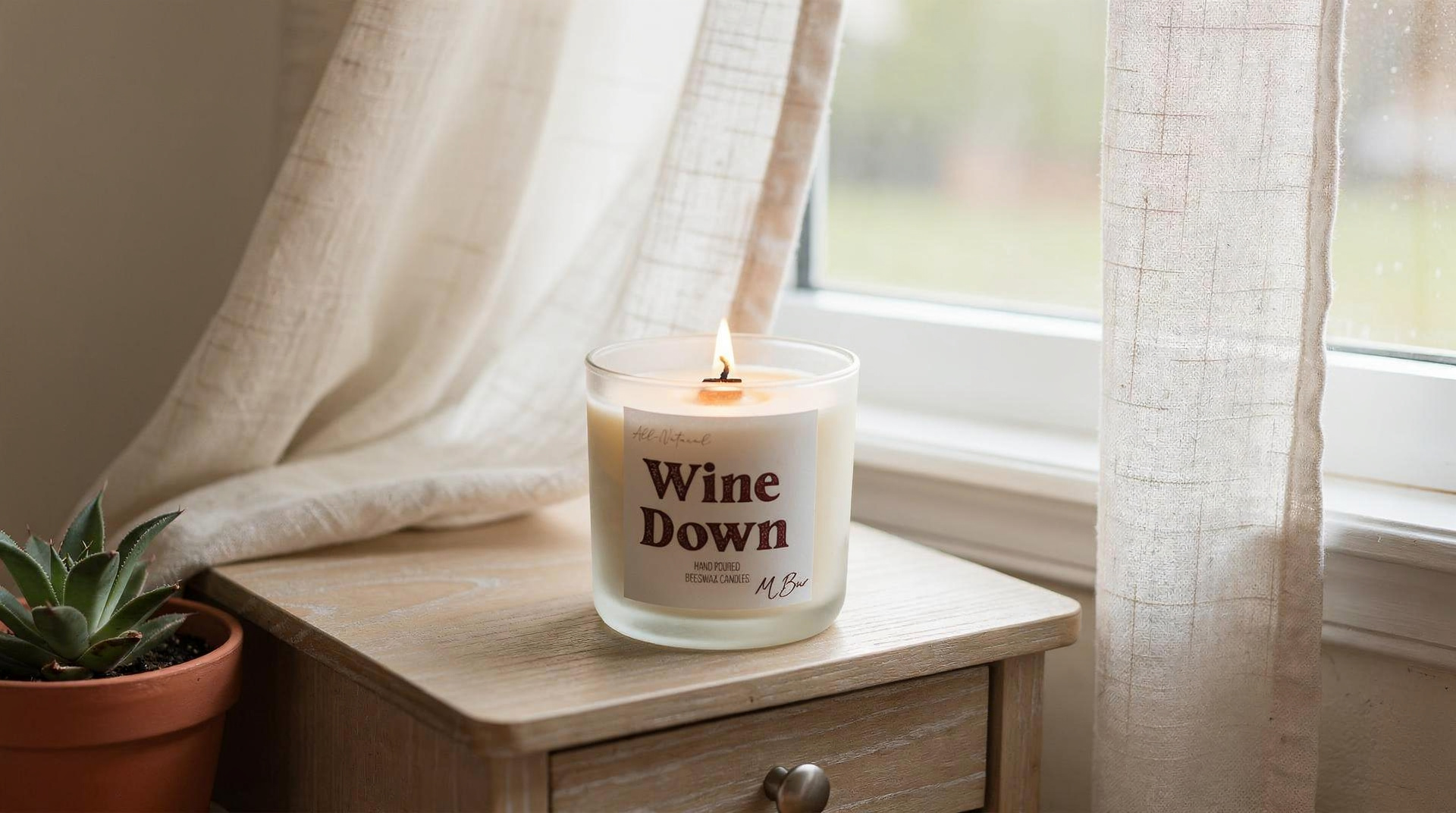
The MBur candle collection is built entirely on 100% beeswax, single ingredient, no blending with paraffin or soy. The Wine Down beeswax candle (starting at $20 for the 20 hour size) is a solid starting point if you want a calming lavender forward scent that has specifically been flagged by customers as gentler on sensitive airways.
"A lot of other candles tend to give me headaches, but this one was a total game changer. I was able to enjoy the calming aroma without any discomfort. It made my space feel cozy and refreshed at the same time." Nicole D., verified buyer, Wine Down Candle
Phthalate Free Non Toxic Fragrance
You do not have to choose between a nice smelling candle and a safe one. The key is non toxic fragrance, meaning fragrance that has been formulated without phthalates and other known irritants. MBur uses only phthalate free fragrance across the entire line, and every scent is chosen with that constraint in mind.
Wooden or Unbleached Cotton Wicks
Both wooden and unbleached cotton wicks burn cleanly without the metal core issue. Wooden wicks also have the bonus of creating a soft crackling sound during the burn, which is genuinely pleasant and has nothing to do with health claims but is worth mentioning anyway. Browse our wooden wick beeswax candle collection if the crackling sound appeals to you.
No Chemical Dyes
A clean candle is, frankly, usually not that exciting to look at. Beeswax is naturally golden. No dyes means no additional chemical load in your air. MBur candles contain no chemical dyes.
The Comparison Table: Best Candles for Asthma Sufferers
Here is a side by side breakdown of the brands worth considering if you have asthma. All of them avoid paraffin. All of them are better than the average grocery store candle. The differences come down to ingredients, burn time, and what each brand prioritizes.
| Brand | Wax Type | Scent Source | Burn Time | Price | Best Feature |
|---|---|---|---|---|---|
| MBur Candle Co. | 100% Beeswax | Phthalate free fragrance | Up to 80 hrs (12oz) | From $20 | Longest burn time, wooden wick, no dyes |
| Fontana Candle Co. | Beeswax + Coconut Oil | Essential Oils | 35 to 40 hrs (9oz) | ~$30 | MADE SAFE Certified |
| Aire Candle Co. | 100% Beeswax | Essential Oils | Up to 60 hrs (8oz) | ~$28 | Minimalist 2 ingredient formula |
| Living Good Candle Co. | Beeswax + Coconut Oil | Plant isolates | ~90 hrs (15oz) | ~$40 | Longest burn time, refillable jar |
| Bluecorn Beeswax | 100% Beeswax | None (raw, unscented) | ~35 hrs (8oz) | ~$32 | Best for severe asthma, zero fragrance |
| Primally Pure | Beeswax + Coconut Oil | Organic/wildcrafted essential oils | ~35 hrs (9oz) | ~$54 | Luxury wellness positioning |
A note on essential oils: they are generally much safer than toxic fragrance for asthma sufferers, but some concentrated oils like cinnamon, pine, and eucalyptus can still be irritating for people with very reactive airways. If your asthma is severe, an unscented option like Bluecorn may be the most conservative starting point.
How MBur Stacks Up Specifically
MBur sits in an interesting position on this list. It is the only brand here using non toxic phthalate free fragrance rather than essential oils, which means the scent options are broader and more complex than what you can achieve with straight botanical oils. At the same time, the wax is 100% beeswax with no blending, no dyes, and no paraffin anywhere in the formula.
The 80 hour burn time on the 12oz size is legitimately the longest burn time available in any candle wax, a function of beeswax having the highest melting point of any candle material. Cost per hour of burn time at $60 for 80 hours works out to 75 cents per hour, which compares favorably to nearly everything else on this list.
The wooden wick adds a cleaner burn profile than most cotton core alternatives, and the soft crackle is a genuine pleasure to burn near while reading or winding down.
"I instantly notice the difference in the air quality, in comparison to the Bath and Body scented candles. I love Bath and Body's candles but I acknowledge that it caused a slight headache and other minor respiratory discomfort. Awesome products. Totally addicted." Jason H., verified buyer, Retail Therapy Candle
If you want to test before committing to the larger sizes, the 20-hour size at $20 is available for every scent in the collection. That is a low-stakes way to find out which fragrance works for your airways.
MBur Scent Guide for Asthma Sufferers
Not all scents are equal when your lungs are involved. Here is a quick breakdown of which MBur candles are worth prioritizing if respiratory sensitivity is a factor.
Wine Down (Lavender, Chamomile, Sage)
This is the one customers with sensitivity most consistently flag as gentle. The lavender and chamomile profile is soft rather than sharp, and the overall effect reads as calming without being chemically aggressive. Good for bedrooms and evenings. The Wine Down candle starts at $20 for the 20-hour size.
Do Not Disturb (Vanilla, Sandalwood, Pear, Peach Blossom)
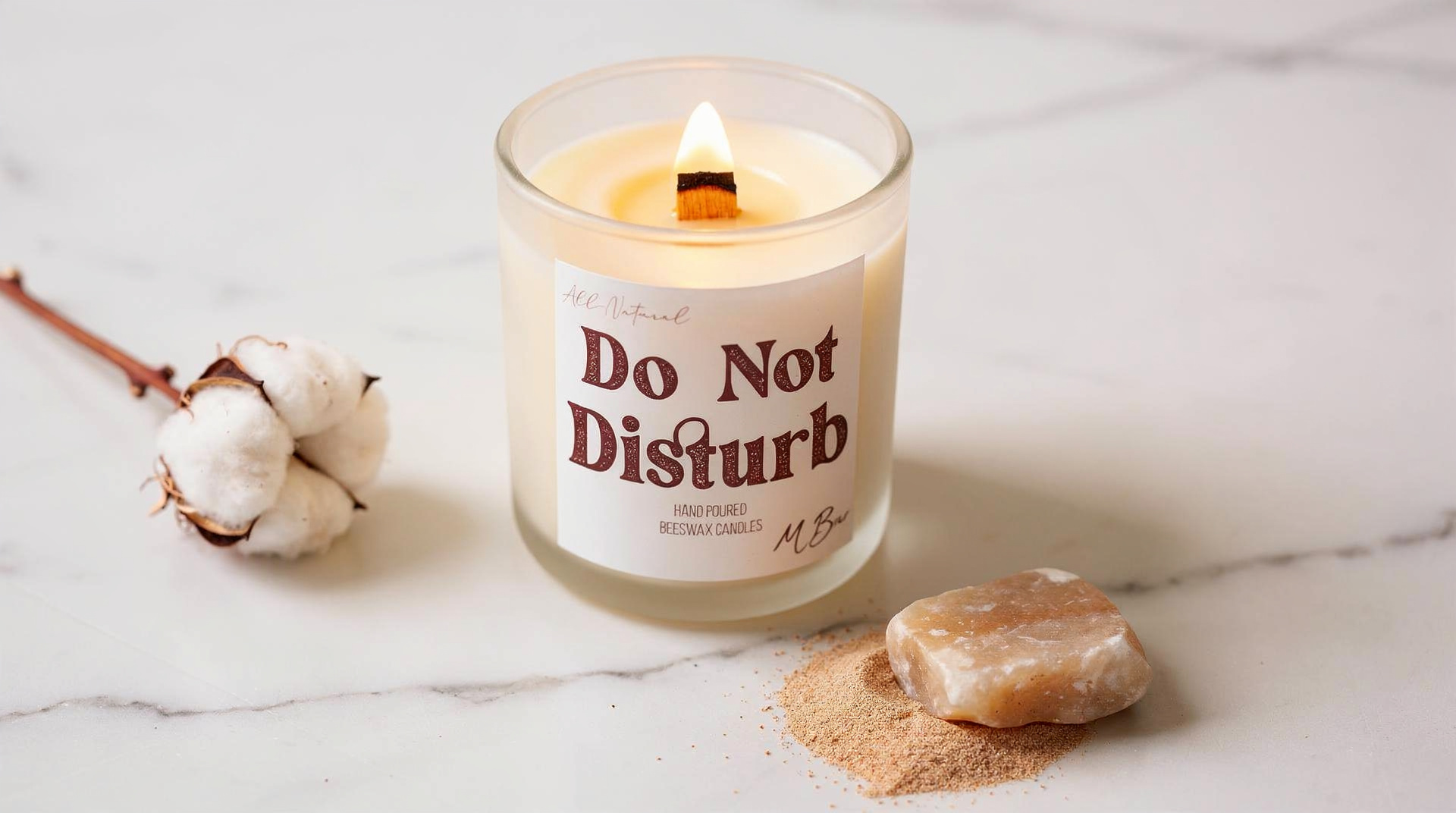
Light and airy with fruit and floral notes that are present without being overpowering. Multiple customers have described the scent as soothing and non irritating. The Do Not Disturb candle is also excellent for bedroom use and nighttime routines.
"I love the scent of this candle. It is lovely not overpowering. It is soothing fragrance more than covers my bedroom and bathroom. It is aromatherapy at its best." Dawne Forrest, verified buyer, Do Not Disturb Candle
Sunday Reset (Peppermint, Eucalyptus, Cedar)
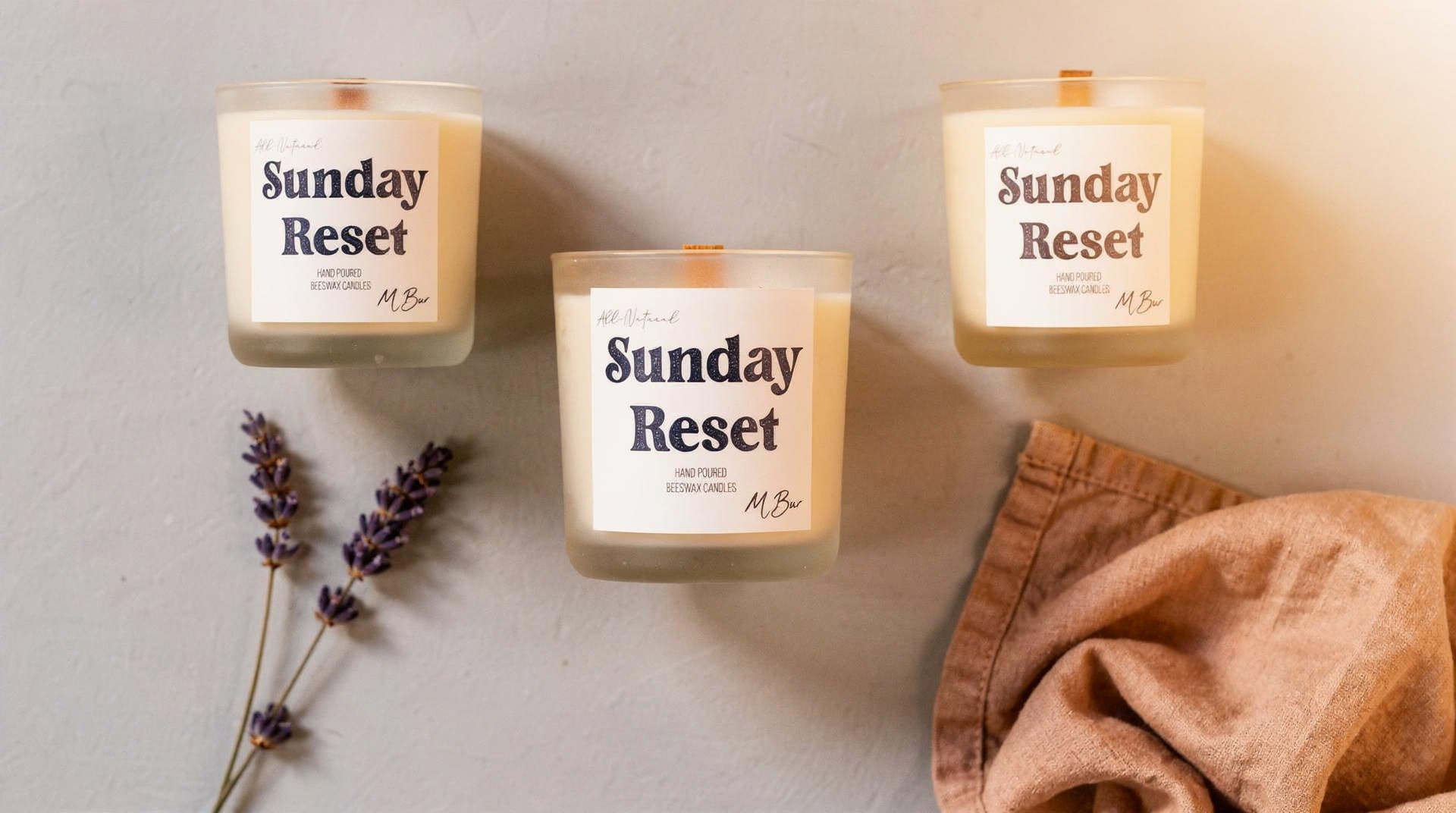
A word of caution here. The eucalyptus and peppermint in the Sunday Reset candle give it a brisk, fresh quality that many people love. However, if your asthma is particularly reactive to menthol adjacent scents, start with the 20-hour size at $20 before committing to a larger size. For people without that specific sensitivity, the clean herbal profile is one of the most popular in the line.
Room Service (Vanilla, Tobacco, Saffron, Orchid)
The bestseller for a reason. Light, sophisticated, not sweet or heavy. The Room Service candle is consistently described by customers as filling a room without overwhelming it, which is the exact quality you want when you are managing respiratory sensitivity. Starts at $20 for the 20-hour size.
FAQ: Candles and Asthma
Can I burn any candle if I have asthma?
It depends almost entirely on what the candle is made from. Paraffin candles with toxic fragrance are a genuine risk for asthma sufferers. Candles made from 100% beeswax or coconut wax with phthalate free or essential oil based scent are significantly less likely to trigger symptoms. That said, individual sensitivities vary, and some people with severe asthma may need to start with an unscented option to test their personal response. Browse MBur's full candle collection to see the full ingredient transparency on every scent.
Is beeswax actually better for asthma than soy?
Generally, yes. Beeswax is a single ingredient wax that requires no chemical processing. Soy wax is better than paraffin, but many soy candles on the market are blended with paraffin without clear labeling, and soy is often paired with toxic fragrance that undermines its cleaner wax base. A 100% beeswax candle with non toxic fragrance is currently the cleanest burning option available. See our full breakdown in the post on paraffin vs beeswax vs soy and indoor air quality.
What candle scents are safest for asthma?
Soft floral, light citrus, and herbal profiles in phthalate free formulations are generally the gentlest starting point. Very concentrated scents like cinnamon, pine, and strong eucalyptus can still irritate reactive airways even when derived from essential oils. If you are unsure, start with an unscented beeswax candle and introduce fragrance gradually.
How do I know if a candle has toxic fragrance?
Look for the word "fragrance" or "parfum" on the label without any additional clarification. If a brand does not specifically state their fragrance is phthalate free and non toxic, assume it contains undisclosed chemicals. Reputable clean brands will lead with this information, not bury it. For more on what separates clean candles from conventional ones, check out our guide on what makes a candle non toxic.
How long should I burn a candle if I have asthma?
Even with a clean burning candle, ventilation matters. Burn sessions of two to three hours with a window cracked nearby is a reasonable starting point. Make sure to trim your wick before each burn to keep the flame size controlled, and never burn a candle in a completely sealed room.
Practical Tips for Burning Candles with Asthma
The right candle is step one. How you burn it matters almost as much.
Trim your wick before every burn. A wick that is too long produces a larger, hotter flame and more soot. For wooden wicks, trim to about 3/16 of an inch. For cotton wicks, aim for a quarter inch.
Ventilate the room. A cracked window or door significantly reduces the concentration of anything in the air, including whatever your clean candle is putting out. Good airflow is non negotiable if you are managing respiratory sensitivity.
Keep burn sessions to three hours maximum. Beyond that, even clean candles begin to contribute to indoor air saturation. Give your room a break between sessions.
Do not burn near HVAC vents. Placing a candle directly under or adjacent to a return vent pushes whatever is in the air through your whole system. Keep candles away from air circulation points.
Let the room air out after extinguishing. The brief period immediately after you blow out a candle tends to release the most concentrated puff of byproducts. Snuffing rather than blowing is cleaner, and cracking a window for five minutes after helps reset the air.
The Bottom Line
Asthma does not mean you have to give up candles. It means you have to be more deliberate about which ones you burn. Avoid paraffin, toxic fragrance, chemical dyes, and metal core wicks. Prioritize 100% beeswax, phthalate free non toxic fragrance, and wooden or unbleached cotton wicks.
The Wine Down beeswax candle checks every one of those boxes and has been called out by name by customers who switched specifically because other candles were affecting their breathing. At $20 for the 20 hour size, it is an easy first test. Or try the Do Not Disturb if you prefer vanilla and sandalwood.
Shop the full collection of asthma-safe beeswax candles
Related reading: