
Best Smelling Candles That Actually Fill a Room
You've bought candles that smelled amazing in the store but barely scented your bathroom at home. Or candles so overpowering you had to blow them out after ten minutes. Finding a candle that actually fills a room without overwhelming it is harder than it should be.
What customers say on Google
View on Google
Here's what separates the best smelling candles from the disappointing ones, and how to find candles that perform the way you want them to.
Why Some Candles Smell Stronger Than Others
Fragrance Load
Every candle has a fragrance load, which is the percentage of fragrance oil mixed into the wax. More fragrance doesn't always mean better. Too much and the candle won't burn properly. Too little and you won't smell anything. Quality candle makers find the right balance for their specific wax type.
Wax Type
Different waxes hold and release fragrance differently. Paraffin tends to throw scent aggressively but burns dirty. Soy has a softer throw but can struggle with certain fragrances. Beeswax has a naturally subtle honey scent that blends with added fragrances for a more nuanced experience.
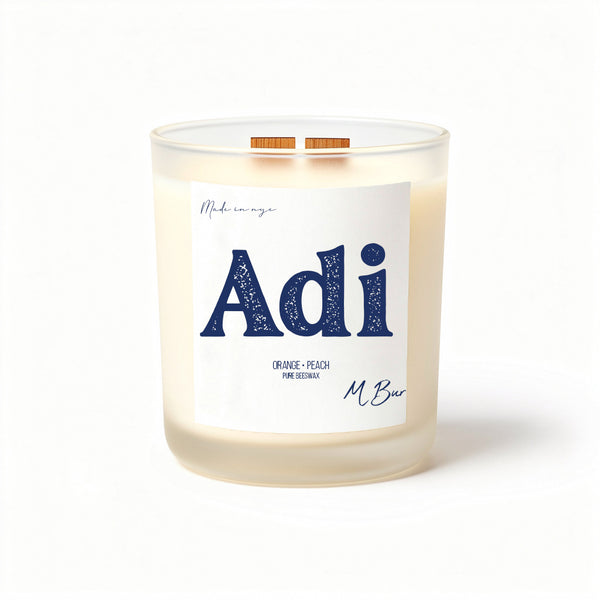
Adi Candle
$65.00
Hot vs Cold Throw
Cold throw is how a candle smells unlit. Hot throw is how it smells when burning. Some candles smell incredible in the jar but disappoint once lit. The best candles deliver on both, with a hot throw that fills your space without requiring you to hover over the flame.
Room Size
A candle that fills a bathroom might get lost in a living room. Consider where you're burning it. Larger spaces need candles with stronger throw or multiple candles placed strategically.
Scent Profiles That Fill a Room
Some scent types naturally project better than others:
Warm and Spicy
Cinnamon, clove, nutmeg, and vanilla tend to have excellent throw. These warming scents spread easily and linger in a space. They're ideal for common areas where you want the scent to greet you when you walk in.
Citrus and Fresh
Lemon, orange, grapefruit, and bergamot are bright and energizing. They fill a room quickly but can fade faster than heavier scents. Best for kitchens, offices, and spaces where you want a clean, uplifting feel.
Floral
Jasmine, lavender, rose, and peony can range from subtle to powerful depending on the blend. Florals work well in bedrooms and bathrooms where you want a softer, more personal scent experience.
Woodsy and Earthy
Cedar, sandalwood, patchouli, and amber have deep, grounding scents that linger. They build over time rather than hitting immediately. These work well in living rooms and spaces where you spend extended time.
Gourmand
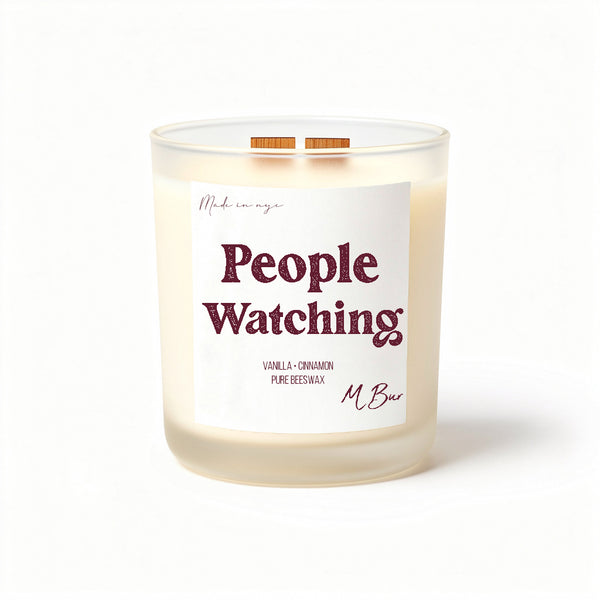
Vanilla, coffee, caramel, and bakery scents make a space feel warm and inviting. They tend to have good throw and appeal to almost everyone. Perfect for creating a cozy atmosphere.
What Makes a Candle Smell Good (Not Just Strong)
Balanced Notes
The best smelling candles have layers. A top note that hits first, middle notes that develop as it burns, and base notes that linger after you blow it out. Single-note candles can smell flat or one-dimensional.
Quality Fragrance Oils
Cheap fragrance oils smell cheap. They often contain phthalates and other additives that not only affect scent quality but can cause headaches and irritation. Phthalate-free fragrance oils smell cleaner and don't have that harsh chemical edge.
Clean Burn
A candle pumping out black soot isn't going to smell as good as one burning clean. Soot particles mix with the fragrance and can give it a smoky, burnt quality. Clean-burning wax and properly sized wicks make a noticeable difference in scent quality.
How to Get the Most Scent From Your Candle
Let It Pool Fully
On every burn, let the wax melt all the way to the edges before extinguishing. A full melt pool releases more fragrance than a tunneled candle. If your candle only melts in the center, you're only getting a fraction of the scent.
Trim the Wick
A wick that's too long creates a larger flame, more soot, and can actually burn off fragrance too quickly. Trim to about 1/4 inch before each burn for optimal performance.
Burn for the Right Amount of Time
Most candles perform best when burned for 2-4 hours at a time. Shorter burns don't develop a full melt pool. Longer burns can overheat the wax and cause the fragrance to dissipate faster.
Consider Placement
Place candles away from drafts, which can disperse the scent too quickly. Central locations in a room allow the fragrance to spread evenly. Corners can trap scent in one area.
Signs of a Low-Quality Candle
Watch out for these red flags:
- Smells great cold but has no throw when lit
- Produces black soot on the jar or ceiling
- Gives you a headache after burning
- Burns through in just a few hours
- Tunnels down the center
- Has a harsh, chemical smell
The Bottom Line
The best smelling candles combine quality fragrance oils, the right wax, and proper construction. They fill your room without overwhelming it, burn clean, and deliver the same great scent from first light to last. Don't settle for candles that disappoint. Your home deserves better.
What buyers say:

