

Are Scented Candles Bad for Asthma? What Asthmatic Lungs Should Know
If you have asthma, your airways react to things that most people breathe without a second thought, so a candle is a fair thing to question. Smoke, soot, and strong smells are all on the list of things that can tighten a sensitive chest. The honest answer is more careful than a simple yes or no: candles do not cause asthma, but the wrong candle can trigger it, and even a clean one is something to burn thoughtfully. For some people with asthma the right move is a cleaner candle used carefully, and for others it is no candle at all. Here is how to tell the difference. We make 100% beeswax candles, and the full collection is here as you read.
What can trigger asthma in a candle
Two things matter here. The first is particulate, the fine soot that any flame puts into the air. Paraffin produces noticeably more of it, which is why a heavy paraffin candle is the worst offender for reactive airways. The second is fragrance, since strong scents are a well known asthma trigger, and an undisclosed fragrance gives you no way to gauge it.
Being straight about the first point matters: every candle, beeswax included, produces some particulate when it burns. Beeswax produces much less than paraffin, but less is not none. For asthma, that difference is worth taking seriously rather than waving away.
Why beeswax is the better choice, with limits
If you are going to burn a candle with asthma, beeswax is the wax to choose. It is a single clean ingredient, it burns with far less soot than paraffin, and it carries no added dyes or undisclosed chemicals to react to. Paired with a light scent or no scent at all, it is the lowest trigger candle you can reasonably pick.
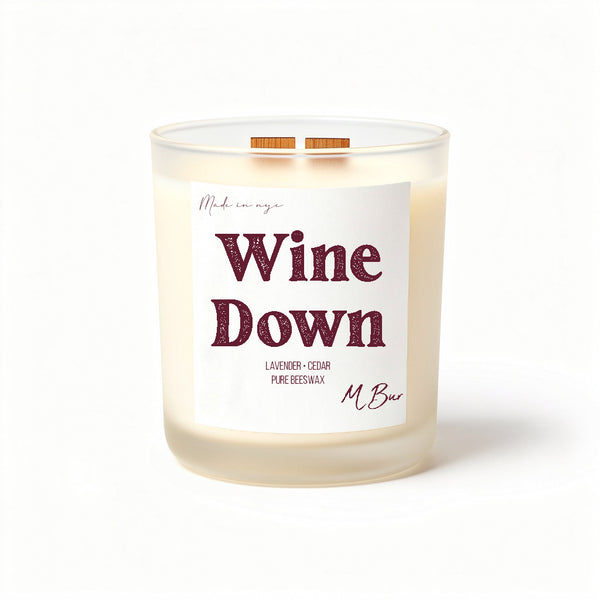
The honest limit is this: cleaner does not mean risk free for sensitive lungs. If your asthma is well controlled, an unscented beeswax candle in a ventilated room is usually manageable. If your asthma is sensitive or flaring, the cautious answer may be to skip the flame entirely, and there is no shame in that being the right call for you.
If you do burn candles with asthma
A few habits lower the risk meaningfully. Choose 100% beeswax over paraffin to keep particulate down. Go unscented, or very lightly scented, since fragrance is a major trigger. Keep a window cracked and the room ventilated, trim the wick so the flame burns clean without smoking, and never burn in a small closed space. And pay attention to your own chest, since your body will tell you faster than any guide whether a candle agrees with you.
An unscented beeswax candle is the safest starting point, and the collection lists every scent in full if you want to add a gentle one later once you know it sits well with you.
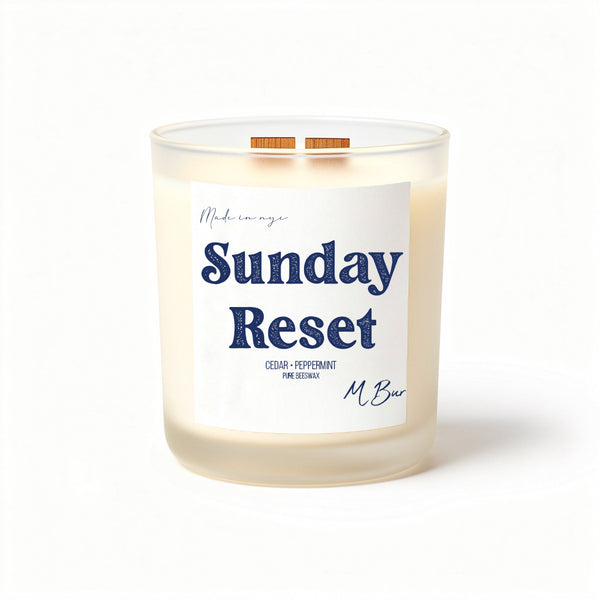
Candles and asthma, compared
| Factor | Heavy scented paraffin candle | Clean beeswax candle |
|---|---|---|
| Particulate | High | Much lower, not zero |
| Fragrance | Strong, undisclosed | Light or none, clearly listed |
| Dyes and additives | Common | None |
| Trigger risk | Higher | Lower, still worth caution |
| Safest version | Skip it | Unscented, ventilated |
This is the one to take seriously: asthma is a medical condition, and your doctor and your asthma action plan come before any candle advice. If you are unsure whether candles are safe for your asthma, ask your doctor, and follow what they say over anything online, including this. A clean candle can lower the risk, but it cannot make asthma safe to ignore.
People sensitive to what they breathe tend to feel the difference quickly. One buyer described it:
So, are candles bad for asthma?
A heavy, sooty, strongly scented candle can absolutely trigger asthma, and is best avoided. A clean, unscented beeswax candle, burned in a ventilated room, is far gentler and is manageable for many people whose asthma is under control. For sensitive or flaring asthma, going without is a perfectly valid choice. The honest rule is to choose clean unscented wax, keep the air moving, and let your own lungs and your doctor have the final say.
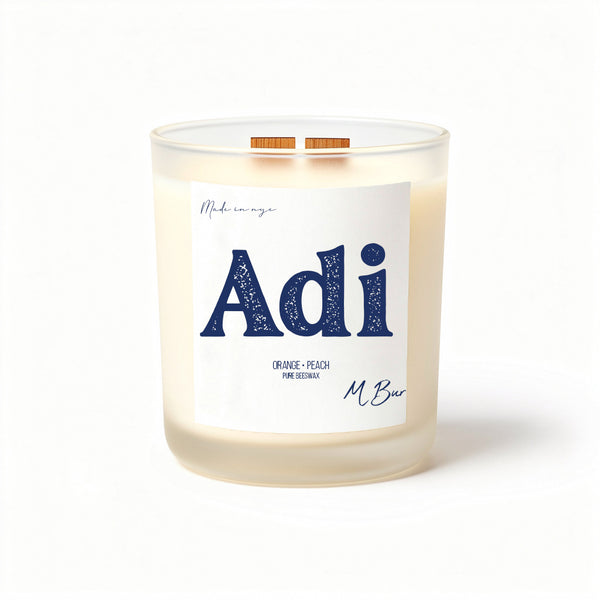
If candles work for you, the MBur beeswax collection is 100% beeswax with unscented options and clearly listed scents, the cleanest setup if you choose to burn one.
Common questions
Can scented candles trigger asthma?
Yes. Strong fragrance and the soot from a candle can both trigger asthma in sensitive people, and heavy paraffin candles are the most likely to do it. A clean, unscented or lightly scented beeswax candle is far less likely to set off symptoms, though no candle is completely free of particulate. If a candle makes your chest tight, put it out and air the room.
Are beeswax candles safe for asthma?
Beeswax is the cleanest candle option for asthma because it produces far less soot than paraffin and has no added fragrance chemicals, but cleaner does not mean risk free. For well controlled asthma, an unscented beeswax candle in a ventilated room is usually fine. For sensitive asthma, skipping candles may be the safer choice, and your doctor is the right person to ask.
What candles are best for asthmatics?
An unscented 100% beeswax candle, burned with good ventilation, is the lowest trigger choice. Beeswax keeps particulate low and skipping fragrance removes the other major trigger. Even then, burn it carefully and watch how your chest responds, since asthma varies a lot from person to person.
The bottom line
Candles do not cause asthma, but sooty, heavily scented ones can trigger it, and even clean ones deserve care. If you burn them, choose unscented beeswax, ventilate well, and stop the moment your chest objects. If your asthma is sensitive, going candle free is a completely reasonable answer. Either way, your doctor and your action plan matter more than anything a candle brand can tell you.

