Are Jo Malone candles vegan? No, and the reason has little to do with what is in the jar. Jo Malone London is owned by Estee Lauder, a company that still allows animal testing in markets that require it by law, and the brand has never published a policy ruling out animal derived ingredients in its fragrance oils.
What customers say on Google
View on Google
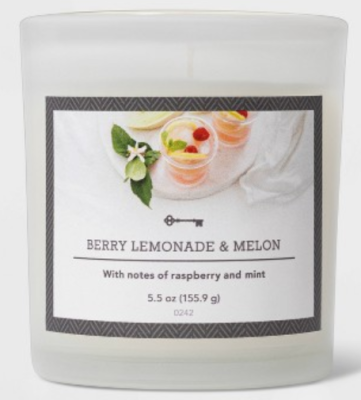
Target's Threshold candles are not a clean yes either. Most burn on a soy and paraffin blend, and paraffin comes from petroleum refining, not a plant. The phrase "soy candle" on the box tells you less than it sounds like it does. If you want a candle that is honest about what is inside and does not test on animals, our collection of pure beeswax candles lists every ingredient in plain language, with nothing blended in to hide.
Why Jo Malone falls short of cruelty-free, let alone vegan
Jo Malone London candles use a paraffin wax base and fine fragrance oils built by professional perfumers. The scent work is genuinely good. The ethics behind it are the problem.
Estee Lauder, the parent company, sells in markets such as China where animal testing is sometimes required before a product reaches store shelves. A brand that allows this anywhere in its supply chain does not meet the cruelty-free bar that most ethical shoppers are actually checking for.
There is also the founder's second brand to untangle. Jo Malone, the person, left and started Jo Loves. Most Jo Loves products are vegan, but some of its home and candle lines, including the White Rose and Lemon Leaves candle, still use bee derived ingredients. Shoppers mix up the two brands constantly, and the confusion matters, because neither one has published full ingredient traceability for its fragrance oils.
Why a soy label at Target doesn't settle the question
Soy wax starts as a plant. Soybeans are pressed for oil, the oil is hydrogenated, and the result hardens into wax. On its own, pure soy wax is vegan.
The trouble is the word "blend." Most Threshold candles mix soy with paraffin to help the wax hold its shape and throw scent further. Paraffin is a byproduct of refining crude oil, so a candle labeled "soy wax blend" is often half petroleum.
Target also does not publish where its fragrance oils come from or whether they are tested on animals at any stage. A jar can say "soy" in large letters and still leave the two questions that actually define vegan and cruelty-free completely unanswered.
The company's packaging has had its own problems recently, too. The Consumer Product Safety Commission issued a recall notice covering nearly 5 million Threshold jar candles after reports of the glass cracking during use. That is a separate issue from the vegan question, but it says something about how much a label tells you versus what is actually true of the product.
What reading the back of the box actually gets you
Pick up a candle in most stores and flip it over. You will find a scent name, a burn time estimate, maybe a warning label. You will rarely find a full ingredient list, and almost never find a statement about animal testing.
That gap is where the guessing starts. You assume "soy" means plant based from start to finish. You assume a department store price tag means a clean supply chain. Neither assumption holds up once you look closer.
A candle built around one ingredient removes most of the guessing. Our Room Service candle is 100% beeswax, poured with two wooden wicks, and scented with phthalate-free fragrance oils and no chemical dye. There is no blend to decode and no second wax hiding behind the first one on the label.
Jo Malone, Threshold, and MBur, side by side
Numbers help more than adjectives here. This is what each brand is actually built from, based on published ingredient information and widely reported wax categories.
| Category | Jo Malone London | Target Threshold | MBur |
|---|---|---|---|
| Wax | Paraffin based | Soy and paraffin blend | 100% beeswax |
| Wick | Cotton | Cotton | Wooden, two wicks on the 12 oz size |
| Burn behavior | Can tunnel if not trimmed regularly | Reported tunneling and uneven wax pools | Burns evenly, up to 80+ hours on the 12 oz size |
| Soot | Petroleum base produces more soot over time | Paraffin content produces soot | Minimal, clean burning wax |
| Fragrance | Fine fragrance oils, animal testing policy undisclosed | Sourcing undisclosed | Phthalate-free, non-toxic fragrance oils |
| Dye | Not disclosed | Not disclosed | No chemical dye |
| Made | Not publicly disclosed per product | Not publicly disclosed per product | Hand poured in New York City |
What "vegan" actually means on a candle, and where beeswax lands
Vegan means no animal derived ingredient anywhere in the product. Cruelty-free means no animal was tested on or harmed to make it. The two overlap often, but they answer different questions.
Beeswax is made by bees, so it is an animal derived material. That is simply true, and it means a beeswax candle will not satisfy a strict vegan standard, no matter who makes it or how clean the rest of the ingredient list is.
It helps to separate that from harm. No bee is killed to produce beeswax. Beekeepers collect it as a byproduct of honey production, the same hives keep producing it season after season, and demand for beeswax supports beekeeping operations that help pollinator populations keep working. That is a cruelty-free story, even though it does not meet a strict vegan standard.
If your personal line is zero animal derived material of any kind, that line is yours to draw, and beeswax sits on the other side of it. But if what actually worries you is animal testing, undisclosed ingredients, or a company that will not say what its fragrance oil is made from, beeswax has nothing to hide and nothing in its process that tests on an animal.
Why the fragrance inside matters as much as the wax
A candle can be cruelty-free and still bother your skin or your sinuses if the fragrance oil is toxic. Many fragrance oils use phthalates, chemicals that help scent cling to wax longer. Research has linked phthalate exposure to health concerns that have nothing to do with where the wax itself came from.
MBur uses only phthalate-free, non-toxic fragrance oils in every candle, including Wine Down, a lavender and chamomile blend built for the end of the day.
"Absolutely loved the Wine Down candle! The scent is so light and clean, not overpowering at all, which is exactly what I look for. A lot of other candles tend to give me headaches, but this one was a total game-changer. I was able to enjoy the calming aroma without any discomfort."
That kind of reaction shows up often with candles built on undisclosed fragrance blends. A clean ingredient list is about more than ethics. It also decides whether you get through an evening comfortably or end up with a headache by the second hour.
How to check any candle brand yourself
You do not need a brand's permission to find this out. A few checks tell you most of what you need to know.
- Look for a Leaping Bunny or PETA certified logo. A brand that has earned one will put it on the label.
- Read the wax description past the first word. "Soy wax blend" usually means paraffin is mixed in.
- Check whether the fragrance oils are described as phthalate-free or non-toxic. If the label says nothing, assume it uses a standard toxic fragrance oil.
- Look at the wick. A metal core wick usually signals a mass market candle that was not built around clean burning.
- See if the brand names where the candle is made. A company confident in its process usually says so.
Run MBur through that same list and every box is checked. 100% beeswax, wooden wicks, phthalate-free fragrance, no chemical dye, and hand poured in New York City, all stated plainly on every product page.
The winner for different situations
For cruelty-free peace of mind with full ingredient transparency, MBur is the one that checks every box you can actually verify. No animal testing, no blended wax, no undisclosed fragrance source.
For a gift when you are not sure how strict the other person is about ingredients, the Room Service candle is a safe pick. It is MBur's best seller, built around white tea and warm vanilla, the kind of scent that reads as thoughtful without needing an explanation.
For a bedroom routine or a sensitive nose, Wine Down is the one to reach for. Lavender and chamomile sit at the front, camphor and sage behind them, and the phthalate-free fragrance means you are not trading one kind of exposure for another.
In every one of these situations, the deciding factor is not whether a candle calls itself vegan. It is whether the brand will tell you exactly what is inside and stand behind it.
Common questions about vegan candles
Are Jo Malone candles vegan?
No. Jo Malone London candles are not considered vegan or cruelty-free, because Estee Lauder, the parent company, permits animal testing in some markets and the brand has not published a policy against animal derived ingredients in its fragrance oils. If you want a candle built on one transparent ingredient instead, our beeswax candle collection lists everything on the product page.
Are Target Threshold candles vegan?
Not certified, no. Threshold candles typically use a soy and paraffin blend, and Target does not publish where its fragrance oils come from or whether they involve animal testing. A candle like Room Service skips that question by using a single wax with a published ingredient list.
What makes a candle non-vegan?
A candle is not vegan if it contains beeswax or any other animal derived ingredient, or if the brand tests its products or raw materials on animals. Every MBur candle falls into the first category honestly and openly.
Is soy wax always vegan?
Pure soy wax is plant based and vegan. The catch is the word "pure." Many soy candles on store shelves are blended with paraffin, so check the label past the first word before assuming the whole candle qualifies.
How can you tell if a candle brand is cruelty-free and transparent?
Look for a Leaping Bunny or PETA certification, a full ingredient list, and a clear statement about where the fragrance oils come from. A brand that answers all three without hedging, the way MBur does on every Wine Down product page, is one you can trust.
The one to light tonight
Jo Malone's candles carry a parent company that still permits animal testing. Threshold's candles blur a plant based label with petroleum underneath. Neither tells you the full story.
If strict vegan is your non negotiable line, beeswax will not cross it, and that is worth knowing before you buy. If what you actually want is a candle with nothing hidden, no animal testing anywhere in the process, and a fragrance that will not leave you with a headache, reach for the 80-hour Wine Down. It is built for a room you light most nights, with two wooden wicks and a lavender and chamomile scent customers describe as calming without being heavy. The 12 oz size runs $65 and comes with a full ingredient list, nothing blended in to guess about.
Evenings are getting darker earlier, and that is when most people start lighting a candle every night again, so it is worth starting with one you trust completely. MBur's reviews repeatedly mention the absence of the headaches customers got from mass market candles, and Nicole D. called Wine Down "a total game-changer" for exactly that reason.
Shop the full beeswax candle collection today and pick the scent that fits the room you spend the most time in.
Related reading